To highlight the molecular mechanisms associated with the pathogenesis of Post-Sepsis Syndrome (PSS) and its overlap with Persistent Inflammation, Immunosuppression, and Catabolism syndrome (PICS), emphasizing the clinical implications of these findings.
Key Findings:
Neutrophil extracellular traps (NETs) contribute to chronic inflammation and immunothrombosis post-sepsis, highlighting the need for targeted therapies.
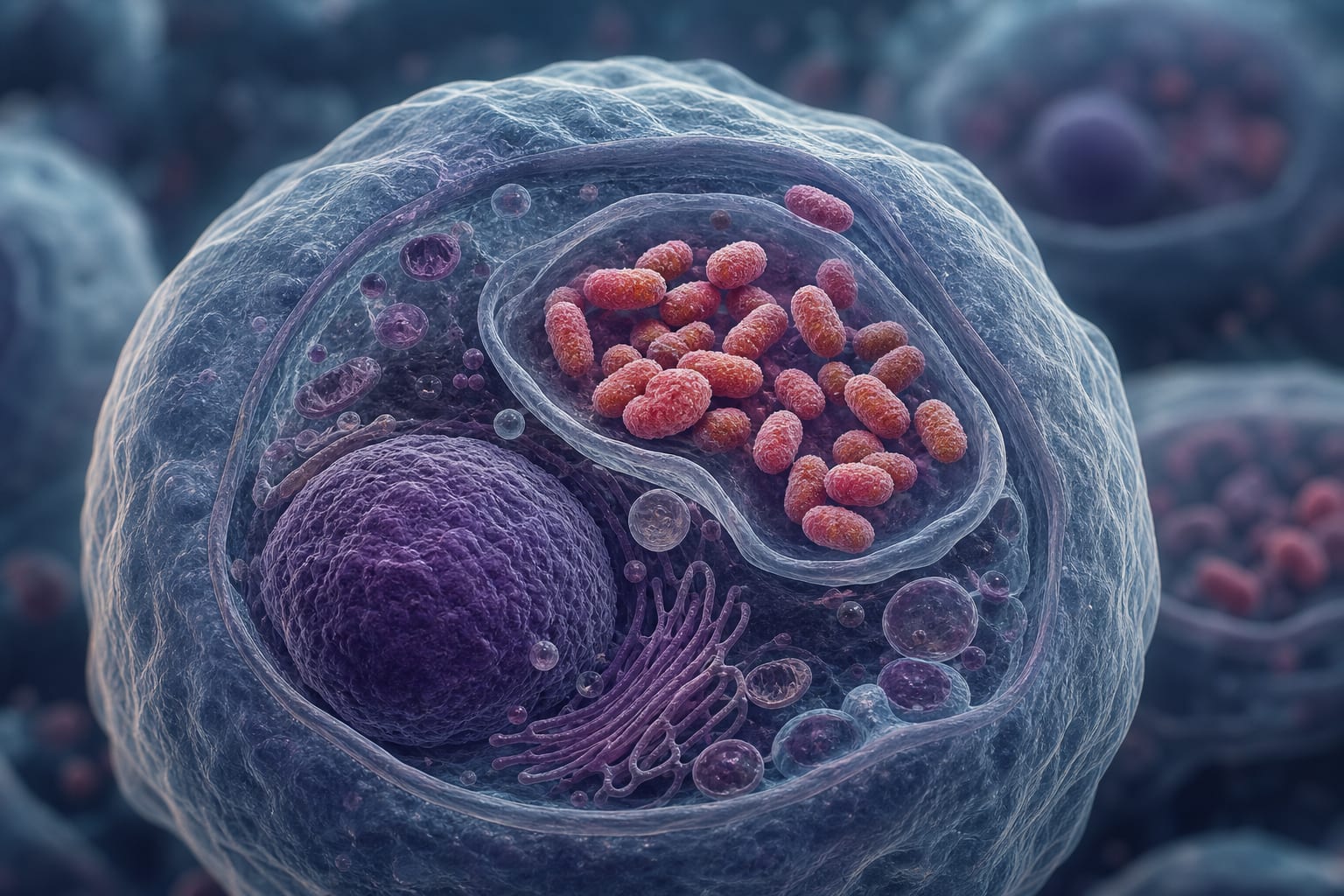
Mitochondrial dysfunction is linked to energy failure and persistent inflammation, potentially explaining long-term health consequences in sepsis survivors.
Damage-associated molecular patterns (DAMPs) perpetuate inflammation and immune dysregulation after sepsis, indicating a target for intervention.
Key signaling pathways (NF-κB, MAPKs, JAK/STAT) remain active post-infection, contributing to immune impairment and vulnerability to infections.
Interpretation:
The findings suggest that mitochondrial dysfunction plays a central role in the pathophysiology of PSS, with implications for understanding clinical manifestations and developing targeted therapeutic strategies.
Limitations:
Robust longitudinal evidence linking mitochondrial dysfunction to PSS is still limited, and potential biases in the literature review process should be acknowledged.
The proposed phenotypes may overlap, complicating the understanding of distinct clinical presentations.
Conclusion:
Understanding the molecular mechanisms underlying PSS is crucial for identifying biomarkers and therapeutic targets, emphasizing the urgent need for further research in this area.