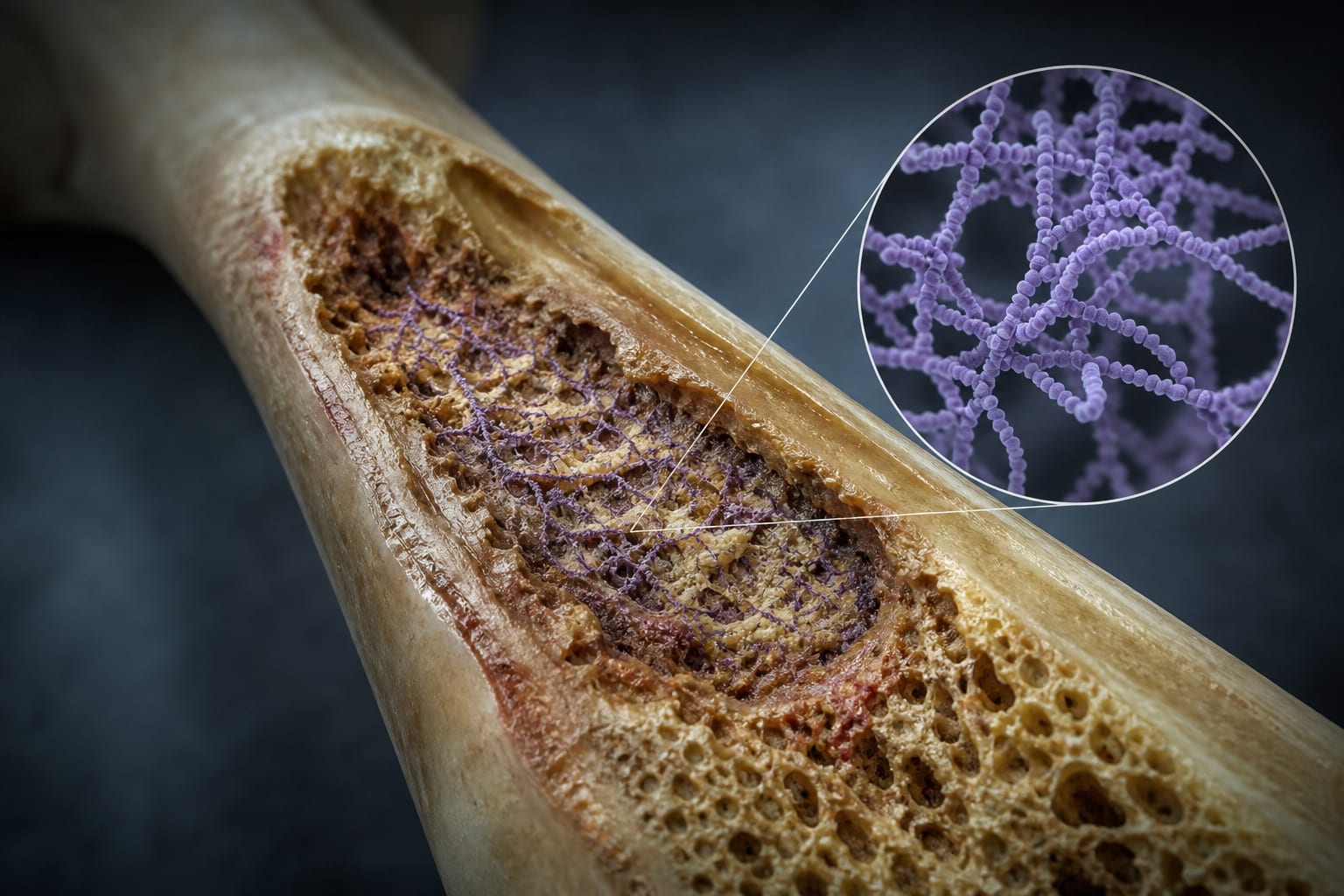
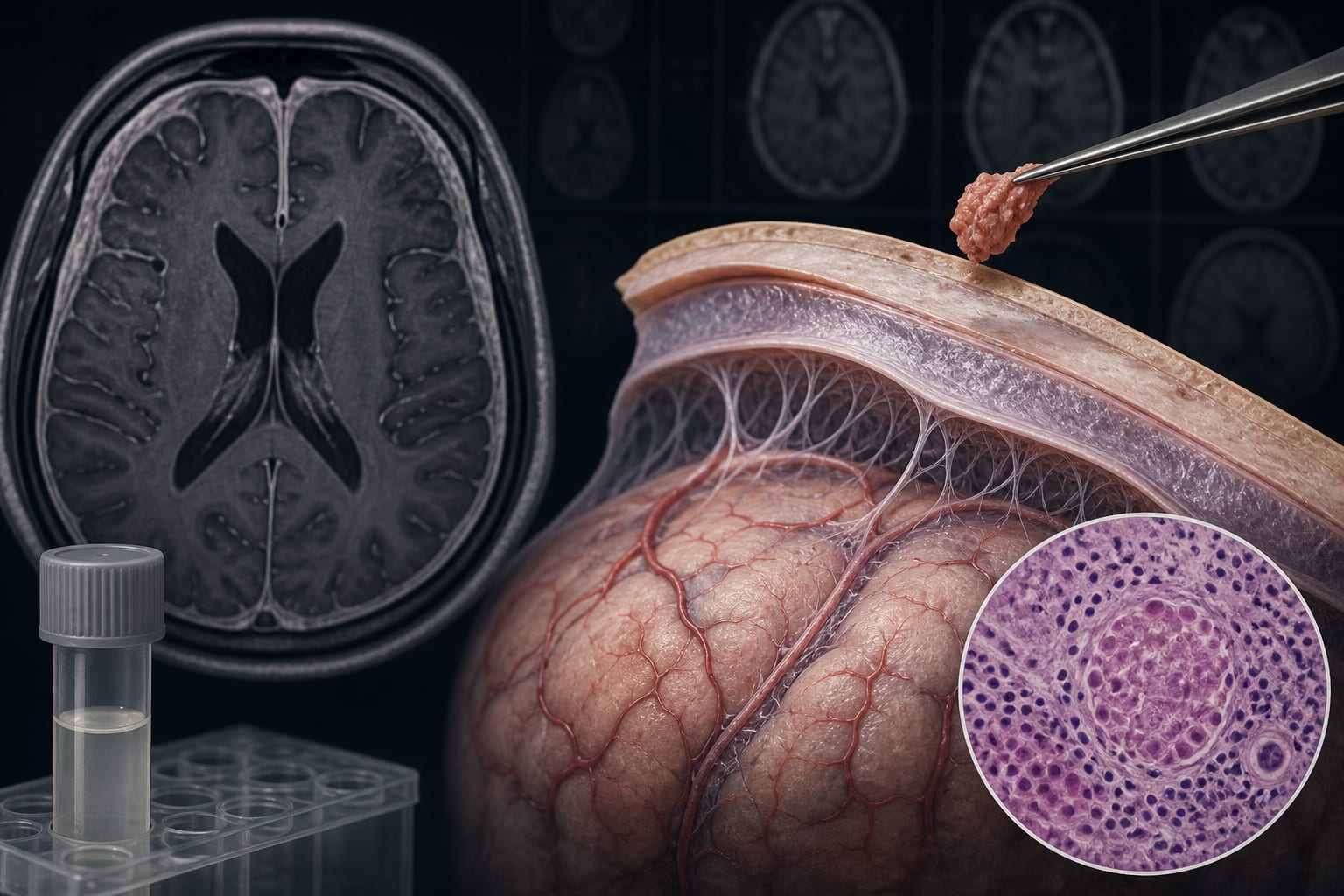
To report a rare case of chronic fibular osteomyelitis caused by Schaalia turicensis and highlight the diagnostic and therapeutic challenges associated with this indolent pathogen.
Approach:
Case Report: Describes a 57-year-old woman with a remote traumatic left ankle fracture and more than 4 years of recurrent redness, swelling, ulceration, and exudation of the left lower leg. After imaging supported osteomyelitis, surgical debridement was performed and deep tissue was evaluated by metagenomic next-generation sequencing (mNGS), conventional culture, and histopathology.
Literature Review: Reviewed 14 reported cases of primary actinomycotic osteomyelitis of the extremities, an exceedingly rare condition in immunocompetent adults.
Key Findings:
S. turicensis was identified by mNGS of intraoperative deep tissue, while conventional culture 6 days later identified Actinomyces species and methicillin-resistant Staphylococcus epidermidis (MRSE).
mNGS provided an earlier microbiological identification and complemented conventional culture and histopathology in establishing the diagnosis.
Intravenous levofloxacin produced no improvement during the 2025 admission. After debridement and mNGS identification, penicillin G was initiated; therapy was subsequently changed to oral clindamycin after culture identified Actinomyces species and MRSE, followed by clinical improvement and discharge.
In the literature review, diagnostic delays ranged from 1 month to 16 years, with a median exceeding 6 months.
Interpretation:
The case illustrates the difficulty of identifying indolent organisms such as S. turicensis in chronic osteomyelitis and supports the use of meticulous deep tissue sampling together with complementary molecular, culture, and histopathologic methods. In this case, mNGS provided rapid pathogen identification that directly informed antimicrobial management.
Limitations:
The report describes a single patient, and the accompanying literature review identified only 14 cases of primary actinomycotic osteomyelitis involving the extremities.
Because mNGS was used alongside conventional culture and histopathology rather than compared systematically with these methods, the case does not establish the comparative diagnostic performance of mNGS.
Conclusion:
This rare case of S. turicensis fibular osteomyelitis demonstrates the value of deep tissue sampling and combined mNGS, culture, and histopathologic evaluation in diagnosing chronic bone infection caused by a low-virulence pathogen. Surgical debridement and targeted antimicrobial therapy were associated with clinical improvement.