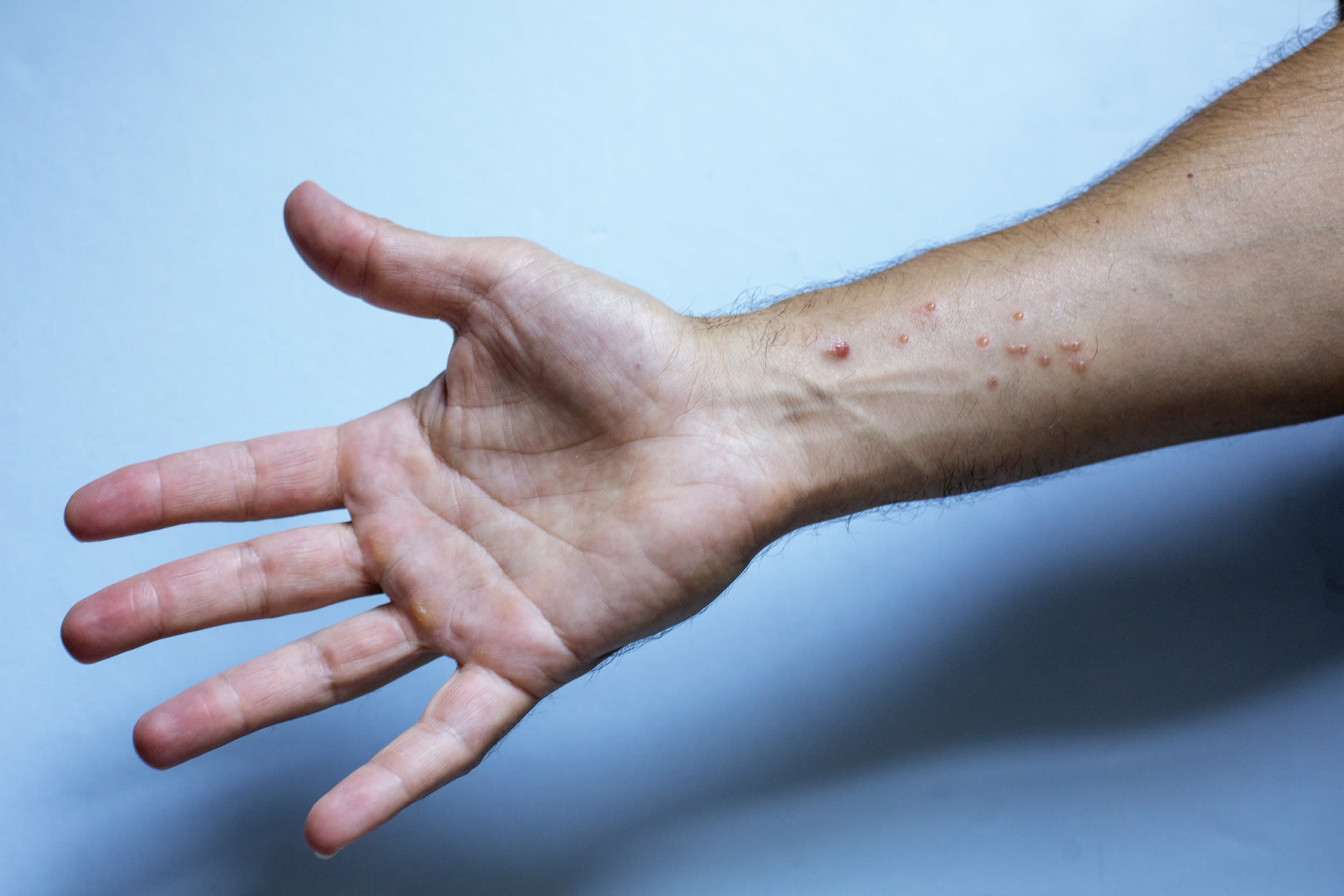
To evaluate the persistence of physical and psychosocial sequelae in adults following mpox infection, specifically focusing on the population of 154 adults from New York City and Houston.
Key Findings:
58% of participants had at least one persistent physical sequela.
Most common sequelae were appearance-related, including skin discoloration (83%) and scarring (51%).
13% reported functional complications, primarily anorectal and urinary symptoms.
45% experienced increased depressive symptoms and 40% increased anhedonia.
Persistent sequelae linked to more severe acute disease, specifically confluent lesions.
Interpretation:
Post-mpox sequelae frequently persist long-term, impacting both physical appearance and psychosocial well-being, highlighting the need for ongoing healthcare support.
Limitations:
Study limited to participants from specific clinics in New York City and Houston, which may affect generalizability.
Potential biases in self-reported health and psychosocial assessments.
Conclusion:
Long-term follow-up after mpox is essential to address persistent sequelae and their social and sexual impacts, including specific assessments for skin changes and functional complications.
Protection against spread appeared strongest within 6 months of vaccination, while exposed vaccinated contacts showed no measurable reduction in infection risk.