Sleep patterns, physical activity and glycemic control in newly diagnosed type 2 diabetes patients from a joint perspective: a cross-sectional study - Summary - MDSpire
Advertisement
Sleep patterns, physical activity and glycemic control in newly diagnosed type 2 diabetes patients from a joint perspective: a cross-sectional study
To examine the independent and combined effects of sleep patterns and physical activity on glycemic control in newly diagnosed type 2 diabetes patients, highlighting the significance of these factors in managing diabetes.
Key Findings:
A U-shaped association was found between sleep duration on weekdays and fasting blood glucose, with an optimal duration around 6.92 hours (p < 0.05).
Moderate and high-intensity physical activity were associated with lower fasting blood glucose and glycated hemoglobin levels compared to low activity (p < 0.05).
Interaction analysis indicated that 'moderate sleep & high physical activity' on weekdays and 'long sleep & high physical activity' on weekends were linked to better glycemic control (p < 0.001).
Interpretation:
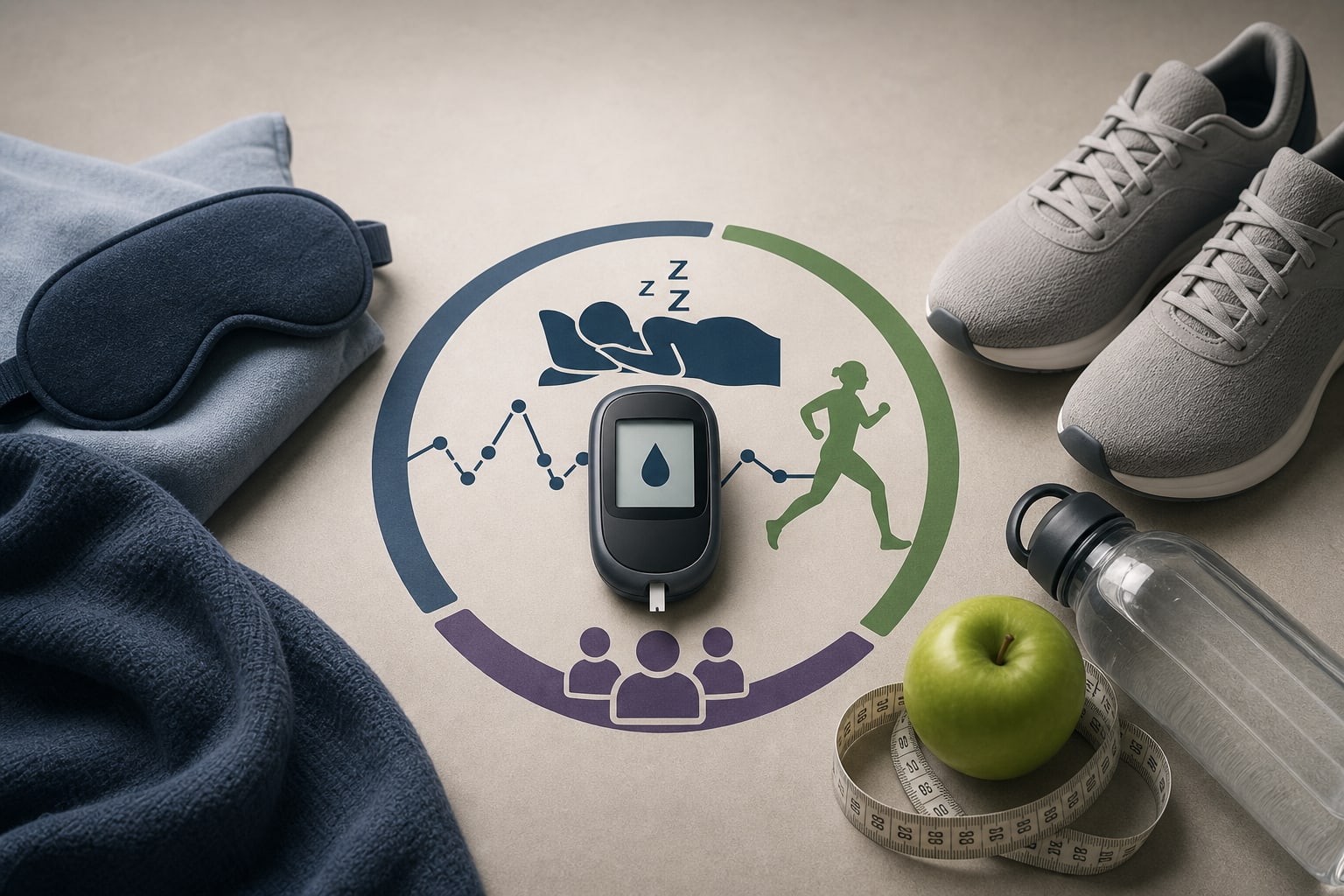
Maintaining approximately 7 hours of sleep on weekdays and engaging in at least moderate-intensity physical activity are associated with improved glycemic control in newly diagnosed type 2 diabetes patients, suggesting important implications for clinical practice.
Limitations:
The study's cross-sectional design limits causal inferences.
Self-reported measures for sleep and physical activity may introduce bias.
The sample may lack diversity, affecting the generalizability of the findings.
Conclusion:
Early lifestyle interventions focusing on sleep and physical activity are crucial for glycemic management in newly diagnosed type 2 diabetes patients, potentially impacting long-term health outcomes.
US claims data showed rising prevalence of diabetic retinal disease in type 1 and type 2 diabetes, while incidence declined in type 1 diabetes and moved closer to type 2 rates by 2022.