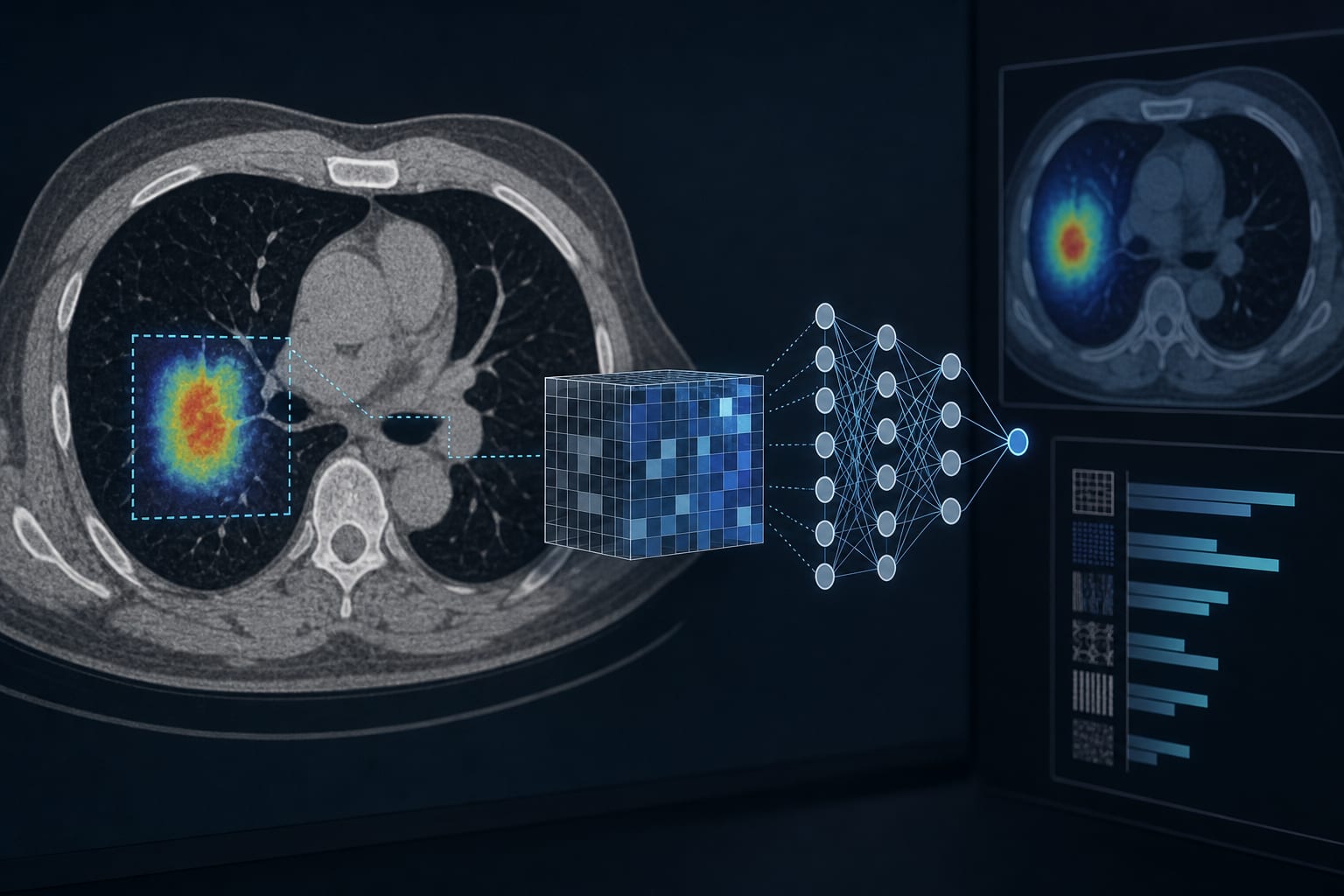
To provide a comprehensive understanding of the implementation, validation, and clinical application of explainable AI (xAI) techniques in cancer imaging, emphasizing the critical need for interpretability in clinical settings.
Key Findings:
AI systems can improve diagnostic accuracy but face challenges in clinical adoption due to lack of transparency and validation.
Explainable AI (xAI) is essential for building trust and integrating AI into clinical workflows, as evidenced by recent studies.
Current xAI methods are primarily limited to simple visualizations and lack extensive validation in clinical settings, highlighting the need for more robust approaches.
There is a significant gap between the information needs of clinicians and the technical transparency features provided by developers, necessitating better alignment.
Interpretation:
The successful integration of AI in cancer imaging requires not only accurate predictions but also transparent decision-making processes that clinicians can understand and trust, impacting their workflows significantly.
Limitations:
Current xAI methods are not thoroughly validated in real-world clinical settings, which poses a risk to patient safety.
There is a lack of standardized frameworks for evaluating the quality of explanations generated by xAI systems, complicating the assessment of their effectiveness.
Variability in the accuracy and stability of explanations across different imaging modalities and applications presents a challenge for consistent clinical use.
Conclusion:
To facilitate the adoption of AI in cancer imaging, it is crucial to develop robust, interpretable xAI methods that align with clinical needs and undergo rigorous validation, addressing the urgent gaps identified.