To summarize the molecular mechanisms governing NLR inflammasome activation and discuss the roles of selected NLR family members, including NLRP1, NLRP6, NLRC5, and NLRP12, in metabolic inflammation.
Key Findings:
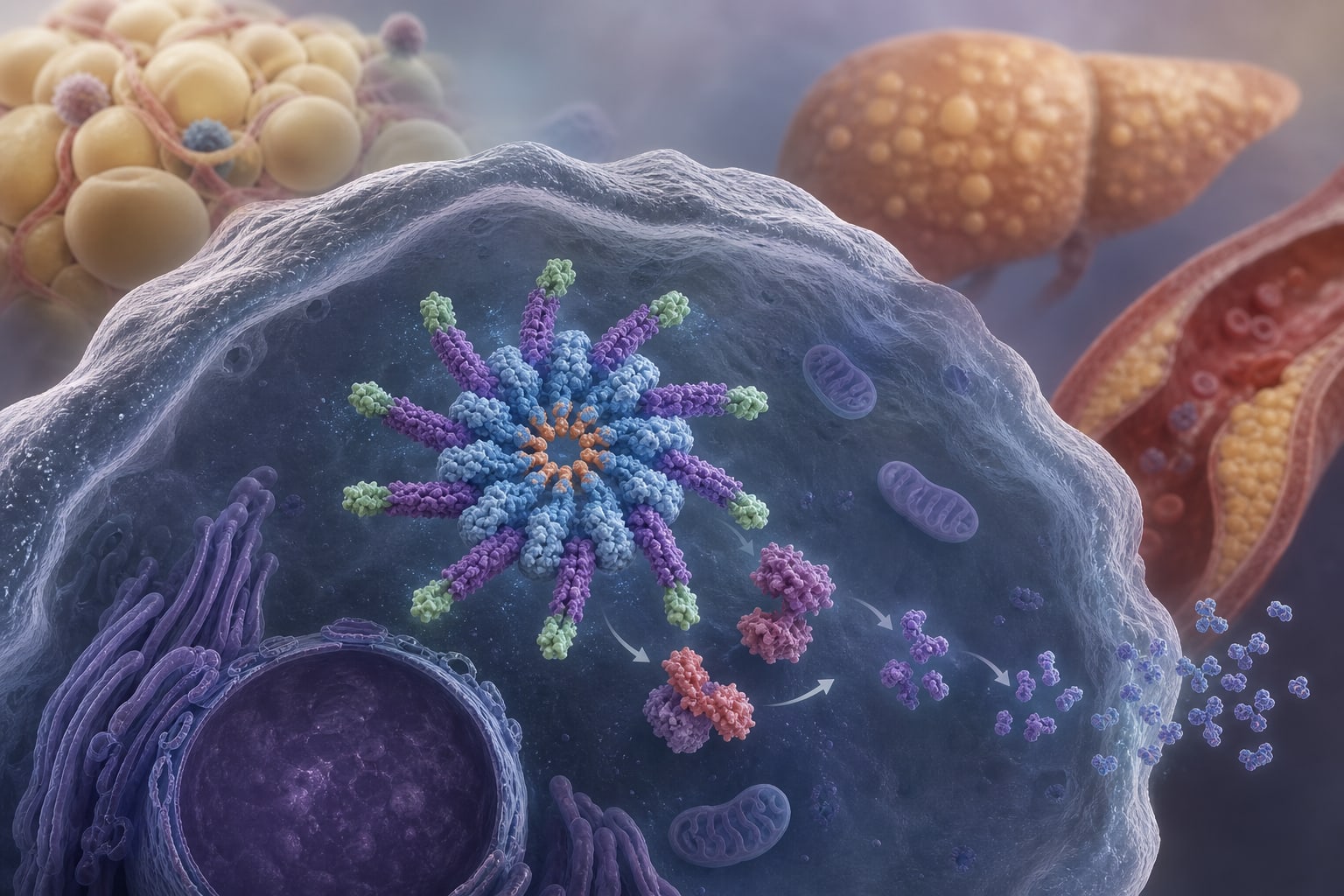
NLR inflammasomes, particularly NLRP3, are key mediators linking metabolic dysfunction and chronic inflammation.
Other NLR family members, including NLRP1, NLRP6, NLRC5, and NLRP12, are also implicated in metabolic disorders, with specific roles in inflammation and metabolic regulation.
Chronic low-grade inflammation is a central driver of metabolic diseases such as obesity and type 2 diabetes mellitus (T2DM).
Metabolism-associated danger signals (MAMPs) from adipose tissue contribute to systemic inflammation and metabolic dysfunction.
Interpretation:
The review highlights the importance of understanding NLR inflammasome pathways in the context of metabolic diseases and discusses potential targeted therapeutic strategies, including small-molecule inhibitors and cytokine blockade.
Limitations:
The review is based on existing literature and may not encompass all recent findings beyond October 2023.
The complexity of metabolic disorders and the interplay of various NLRs may complicate therapeutic targeting, and potential biases in the literature reviewed should be considered.
Conclusion:
Investigating NLRs and their inflammasomes is crucial for developing novel preventive and therapeutic approaches for metabolic diseases, emphasizing the role of precision medicine.