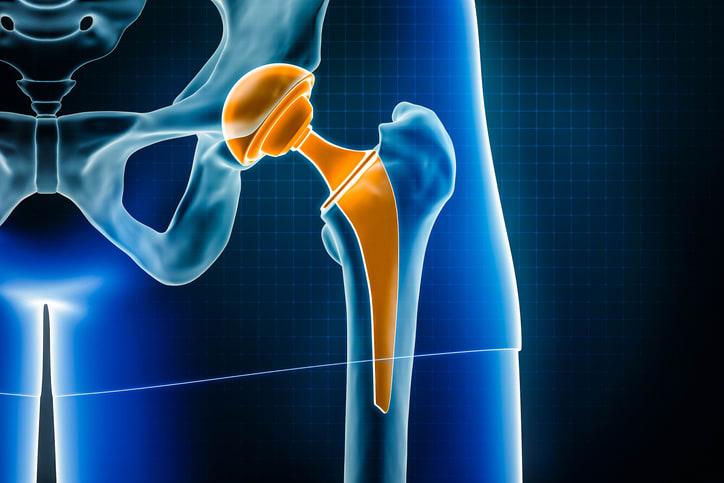
To investigate the relationship between global spinopelvic coronal flexibility and perceived leg length discrepancy (pLLD) after total hip arthroplasty (THA), emphasizing the impact of pLLD on patient outcomes.
Key Findings:
Reduced preoperative spinopelvic lateral flexion is associated with an increased risk of pLLD following THA, with specific metrics to quantify this association.
Patients with perceived leg length discrepancies reported lower satisfaction and functional outcomes, potentially quantifying the impact.
Interpretation:
The findings suggest that addressing global spinopelvic flexibility may improve patient outcomes and satisfaction after THA, with recommendations for clinical practice.
Limitations:
Study limited to a single institution, which may affect generalizability; future studies should aim for multi-center designs.
Follow-up period of only 6 months may not capture long-term outcomes; longer follow-up is recommended.
Conclusion:
Optimizing spinopelvic flexibility could be crucial in minimizing perceived leg length discrepancies and enhancing patient satisfaction post-THA, with implications for future surgical techniques.
A systematic review of more than 2.3 million patients found that women and men had different patterns of postoperative complications and recovery, with age and implant strategy modifying observed differences.
Researchers urge caution in interpreting joint replacement predictors, noting that surgery reflects access and decision-making as well as disease biology.