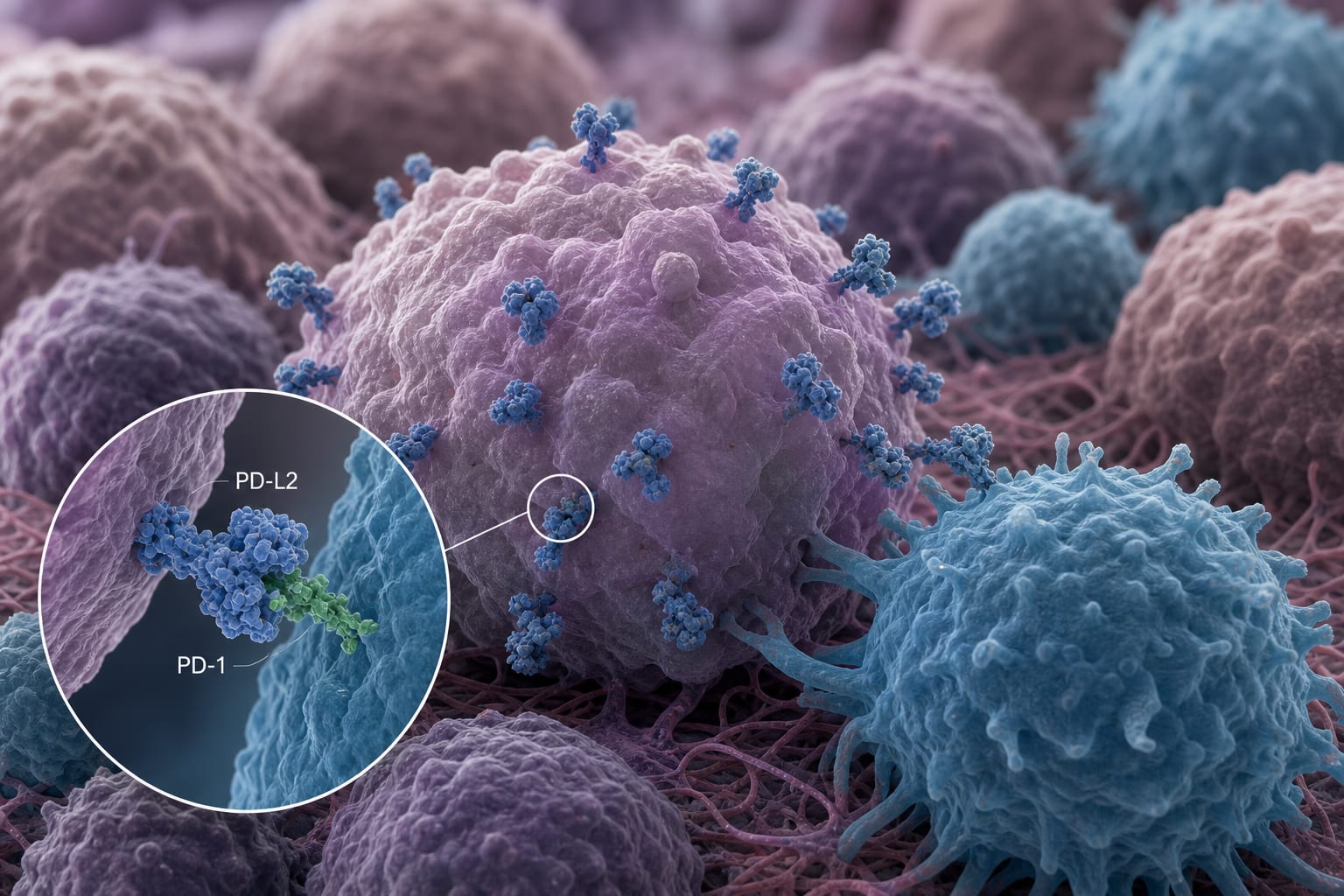
To summarize the mechanisms, stimulus-response strategies, multimodal synergistic effects, and current clinical progress of stimulus-responsive sonodynamic immunotherapy in cancer treatment, emphasizing its potential and challenges.
Key Findings:
SDT can convert 'cold' tumors into 'hot' tumors, enhancing immune response.
Combining SDT with immune checkpoint blockade and other therapies improves tumor suppression and reduces metastasis.
Challenges include low ICD efficiency in hypoxic tumors and TME heterogeneity, which need to be addressed for effective application.
Interpretation:
Despite preclinical progress, clinical translation of sonodynamic immunotherapy faces significant challenges that need to be addressed for effective application.
Limitations:
Low immunogenic cell death efficiency in hypoxic tumors.
Heterogeneity of the tumor microenvironment.
Need for standardization and optimization of treatment parameters, as highlighted in the source.
Conclusion:
Stimulus-responsive sonodynamic immunotherapy presents a promising approach to enhance cancer treatment, but further research is needed to overcome existing obstacles.