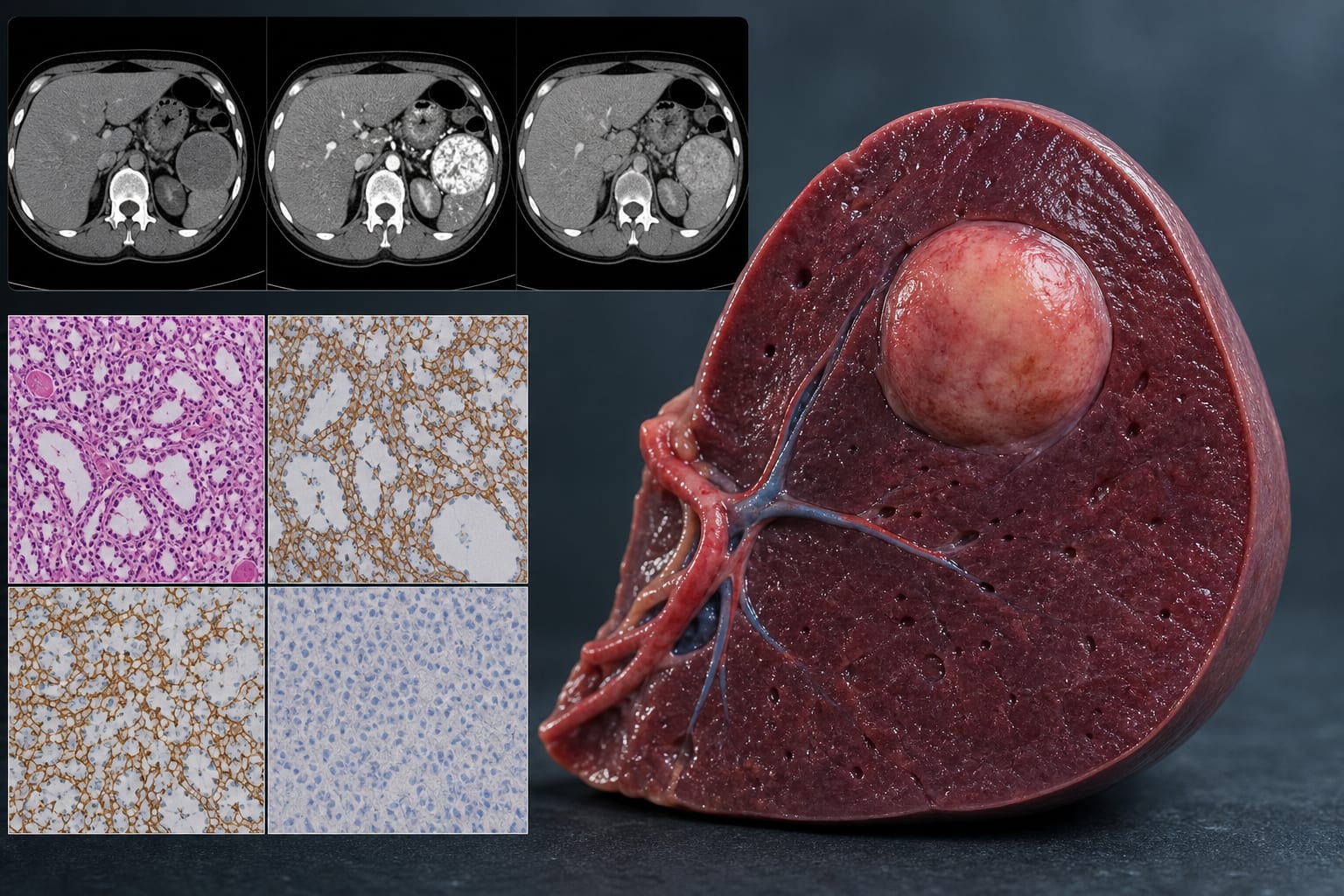
To evaluate and characterize the safety, feasibility, and surgical outcomes of resecting schwannomas and neurofibromas arising in the retroperitoneal and pelvic regions, highlighting the significance of these findings in the context of existing literature.
Key Findings:
Complete surgical excision is the gold standard treatment for schwannomas, with low local recurrence rates; specific statistics on recurrence should be included.
Tumors often arise adjacent to major vessels and neural plexuses, complicating surgical resection, necessitating careful planning.
Intraoperative electrophysiological monitoring is crucial for preserving nerve function during surgery, with implications for postoperative outcomes.
Interpretation:
The study highlights the importance of a multidisciplinary approach and intraoperative monitoring in achieving safe and effective resection of retroperitoneal and pelvic schwannomas and neurofibromas, comparing these findings to previous studies.
Limitations:
Retrospective design may introduce selection bias, particularly in patient selection and data collection.
Limited generalizability due to the single-center study.
Small sample size may affect the robustness of findings.
Conclusion:
The study provides valuable insights into the surgical management of retroperitoneal and pelvic schwannomas and neurofibromas, emphasizing the role of intraoperative monitoring and collaborative surgical strategies, with implications for future research and clinical practice.