The article examines the objective, findings, and clinical context described in HHS Awards $2.25 Million to 19 Phase 1 Winners of Caregiver AI Challenge for Tools to Strengthen Care.
Approach:
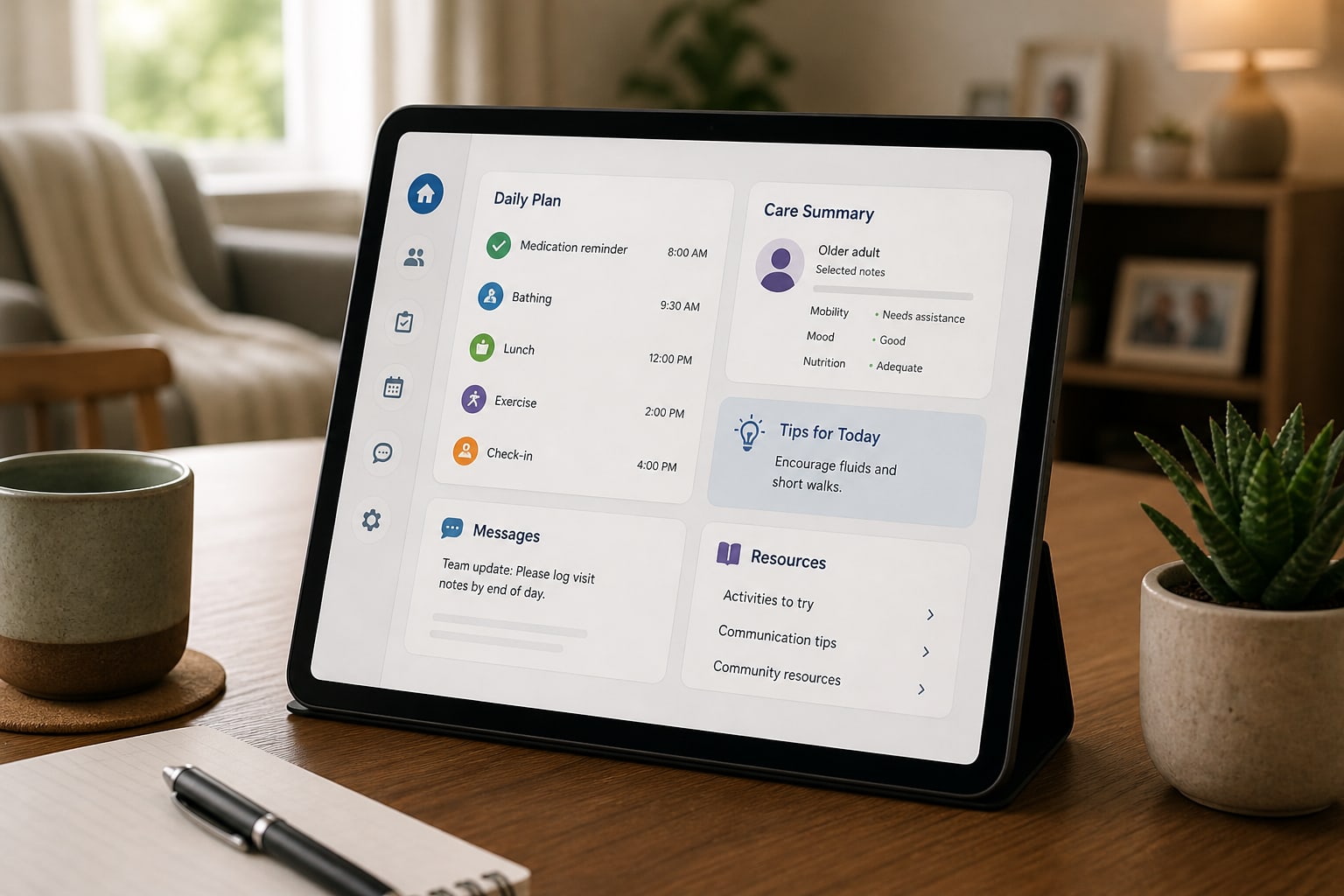
Challenge: The three-phase competition has two tracks: tools to support care at home or in communities, and tools to improve workplace efficiency for the direct care workforce.
Phase 1 awards: Nineteen winners collectively received $2.25 million; each received up to $100,000. Seven received special recognition for innovations supporting people with intellectual and developmental disabilities or dementia.
Phase 2: Phase 1 winners automatically qualify to test and refine their tools in real-world settings, using feedback from caregivers and people receiving care.
Key Findings:
HHS, through the Administration for Community Living, announced the 19 winners on November 18, 2026.
The challenge seeks practical tools for family caregivers, direct care workers, and home care agencies.
The announcement says tools should be safe, affordable, accessible, privacy-protective, respectful of dignity and individual choice, and designed to preserve people’s control.
Interpretation:
HHS describes the challenge as an effort to develop tools that address everyday caregiving needs, including paperwork, scheduling, education, and access to peer support.
Limitations:
The provided context does not name the winning teams or describe their individual tools.
It provides no results from real-world testing or evidence of tool effectiveness.
Conclusion:
Phase 1 awards support development of caregiver-focused tools; testing and refinement are planned for Phase 2.