To investigate the persistence of environmentally induced epigenetic changes across 20 generations of rats and their implications for adult-onset diseases and reproductive outcomes, emphasizing the potential relevance to human health.
Key Findings:
Persistent differential DNA methylated regions (DMRs) were identified across generations.
Increased incidence of adult-onset diseases in multiple organs, including kidney, testis, ovary, and prostate, was observed.
Abnormal births, including maternal deaths and stillbirths, occurred after approximately 16 generations.
Interpretation:
The study indicates that epigenetic changes due to environmental toxicant exposure can persist across generations, potentially affecting reproductive health and disease susceptibility, with significant implications for public health.
Limitations:
Direct translation of findings to human disease requires caution; further studies are needed to clarify mechanisms and clinical implications, particularly focusing on [insert specific areas of study].
Conclusion:
The findings highlight the importance of understanding environmental exposures in relation to long-term health outcomes and suggest potential avenues for preventative medicine, reiterating the need for proactive health measures.
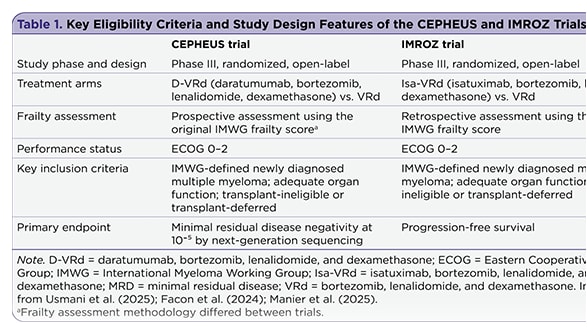
The management of newly diagnosed transplant-ineligible multiple myeloma remains challenging, in part due to the complexity of treatment decisions for frail patients. Recent subgroup analyses provide insight into whether quadruplet therapy may offer advantages over triplet therapy in this population.