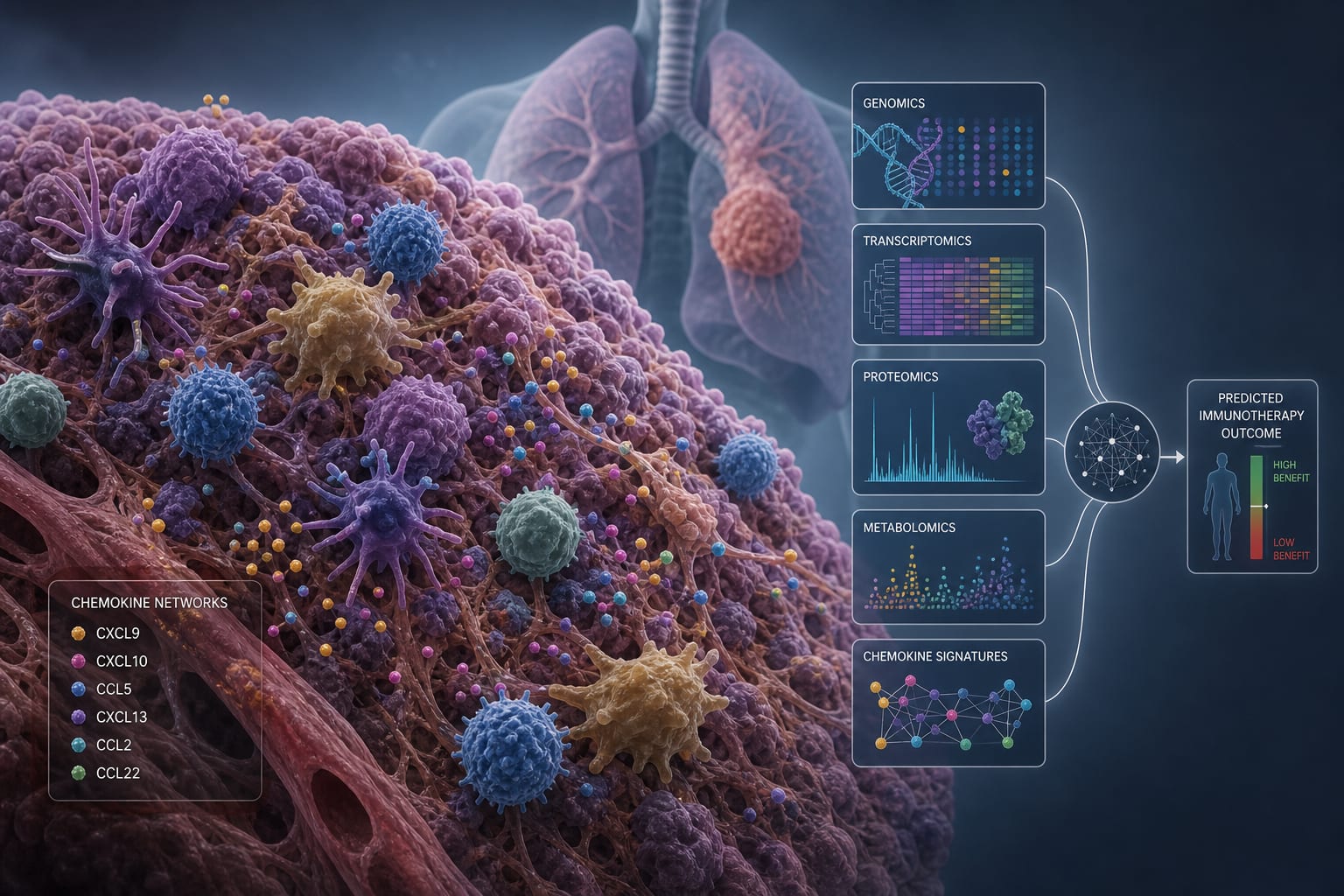
To summarize the evolving landscape of liquid biopsy technologies for early cancer detection.
Approach:
Overview of Liquid Biopsy: Discusses the advantages of liquid biopsy over traditional tissue biopsy, including its non-invasive nature and ability to monitor tumor evolution.
Biomarkers and Technologies: Explores various circulating biomarkers (CTCs, ctDNA, microRNAs, proteins, exosomes) and advanced technologies (NGS, digital PCR) enhancing detection sensitivity.
Machine Learning Integration: Highlights the role of machine learning in analyzing complex data for improved cancer prediction and treatment stratification.
Challenges and Future Directions: Addresses challenges such as low availability of tumor-derived material, cost, and the need for standardized workflows.
Key Findings:
Liquid biopsy provides a dynamic understanding of cancer biology through the analysis of circulating tumor material.
Multi-cancer early detection (MCED) can potentially identify multiple cancers from a single blood sample before symptoms arise.
Machine learning and AI enhance the predictive performance of liquid biopsy by analyzing complex data.
Interpretation:
Liquid biopsy offers a non-invasive method for early cancer detection and monitoring.
Limitations:
Low availability of tumor-derived material during early disease stages.
Confounding factors from non-cancer sources and variability in sample handling.
High costs associated with sequencing and computational analysis.
Conclusion:
Liquid biopsy requires further development for clinical application.