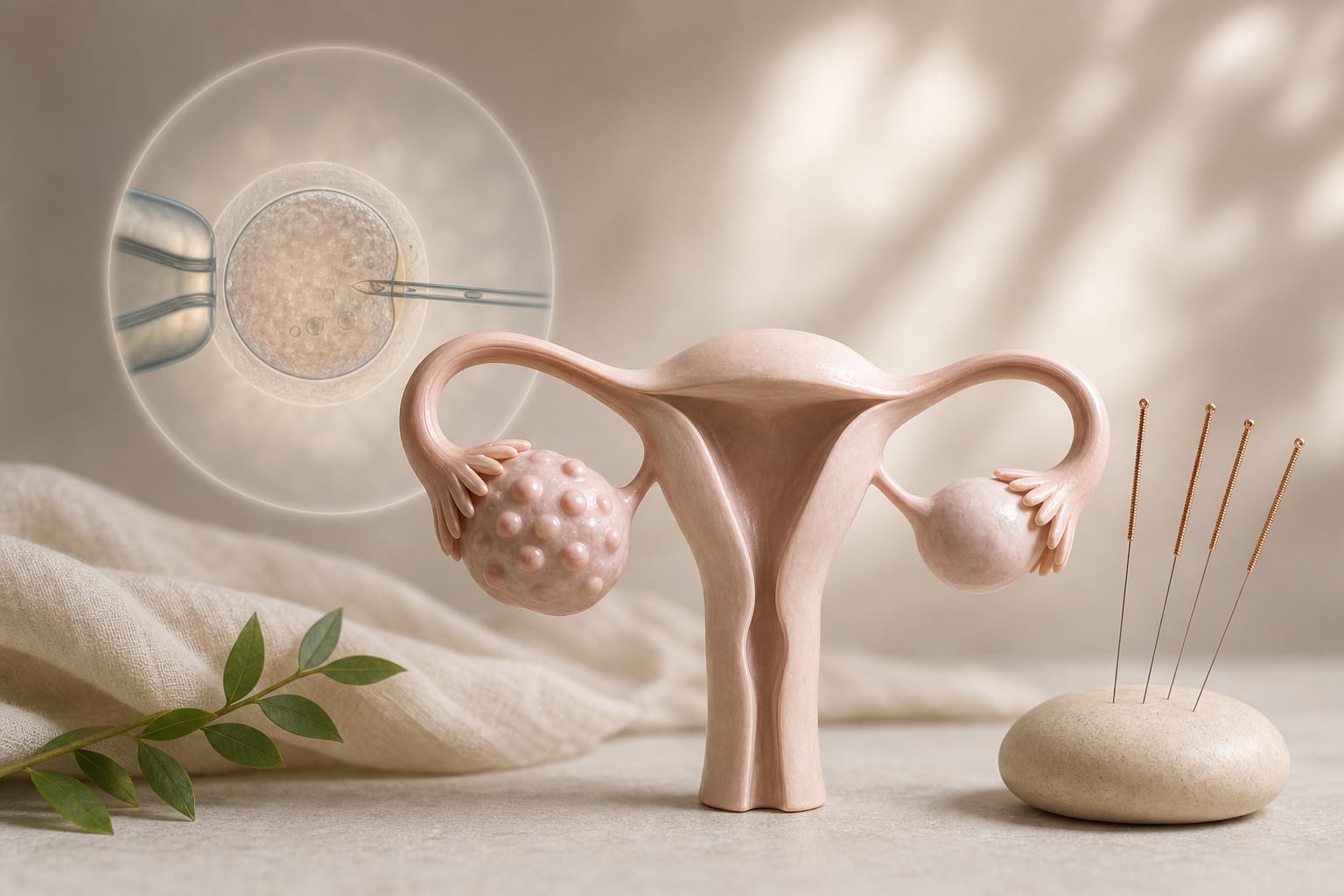
Advancing human ovarian biology in tandem with clinical care: considerations for collecting ovarian tissue for research after oophorectomy for tissue cryopreservation - Summary - MDSpire
Advertisement
Advancing human ovarian biology in tandem with clinical care: considerations for collecting ovarian tissue for research after oophorectomy for tissue cryopreservation
To detail the importance of ovarian tissue collection for research and the various processing methods that can be employed, particularly in the context of fertility preservation.
Key Findings:
Ovarian tissue cryopreservation (OTC) is no longer considered experimental as of 2019, according to the American Society for Reproductive Medicine.
Research tissue samples provide critical insights into ovarian biology and reproductive health, including histological and molecular insights.
Different preservation methods can limit the types of analyses available from the tissue, affecting research outcomes.
Interpretation:
The review highlights the significance of proper tissue collection and processing methods to enhance research outcomes in ovarian biology.
Limitations:
The need for IRB-approved protocols for tissue collection may limit participation in research.
Potential discrepancies in sample documentation can affect research consistency and outcomes.
Conclusion:
Proper collection and processing of ovarian tissue are essential for advancing research in ovarian biology, as highlighted in the review.
by Margaret A. Brunette, Karen Burns, Holly Hoefgen, Shuo Xiao, Francesca E. Duncan, Monica M. Laronda, Ariella Shikanov, Mary Zelinski, Veronica Gomez-Lobo
Phase 3 ENHANCE-1 results showed higher composite clinical cure and microbiologic response rates with cefepime-zidebactam vs meropenem in hospitalized adults with complicated urinary tract infection or acute pyelonephritis.