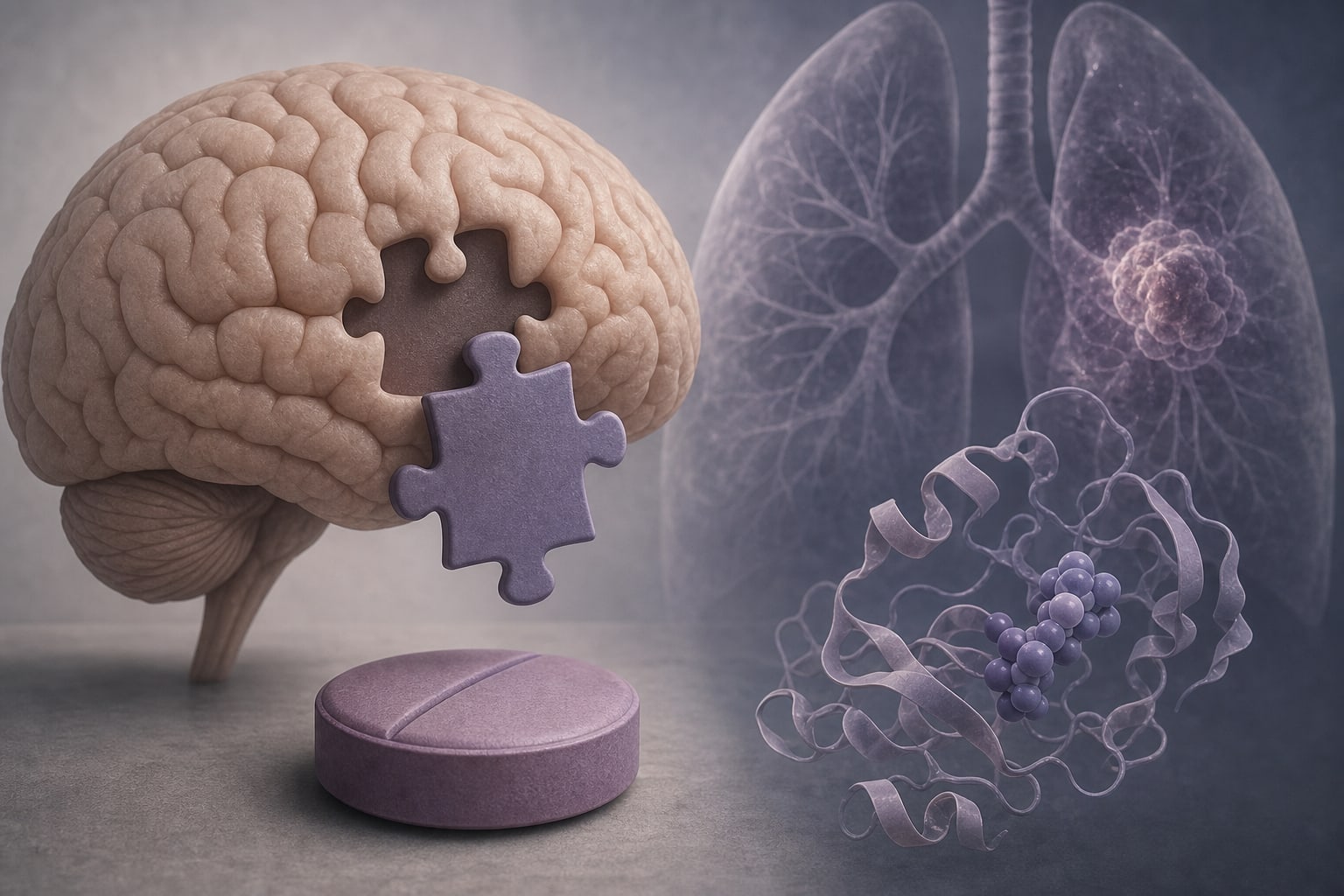
To clarify the interrelationship between serotonergic biology, antidepressant exposure, and clinical outcomes in glioblastoma patients.
Approach:
Cohort Analysis: Investigated whether SSRIs fluoxetine or sertraline were associated with improved survival compared to other SSRIs in a population-based cohort.
Metabolite Assessment: Examined the association between preoperative antidepressant use and intratumoral concentration of serotonin pathway metabolites.
Quality of Life Evaluation: Assessed whether intratumoral serotonin pathway metabolites were associated with preoperative QoL.
Key Findings:
Antidepressant treatment is more common among glioma patients than the general population.
Preclinical studies suggest potential beneficial effects of certain SSRIs on glioma cell survival.
Observational studies report mixed findings on the impact of antidepressants on survival in glioblastoma patients, with some studies indicating worse survival associated with antidepressant use as a class.
A large cohort study indicated that while antidepressant use as a class was associated with worse survival, fluoxetine and sertraline showed opposite trends.
Interpretation:
The study highlights the complexity of interactions between antidepressants, serotonin levels, and glioblastoma outcomes.
Limitations:
Methodological differences across studies may contribute to heterogeneity in findings.
The association between antidepressant use and intratumoral serotonin levels may reflect confounding by indication.
Lack of pre-treatment serotonin levels limits understanding of the pharmacological effects of antidepressants.
Conclusion:
Further research is needed to evaluate the interconnections between antidepressant use, serotonin metabolism, and clinical outcomes in glioblastoma patients.