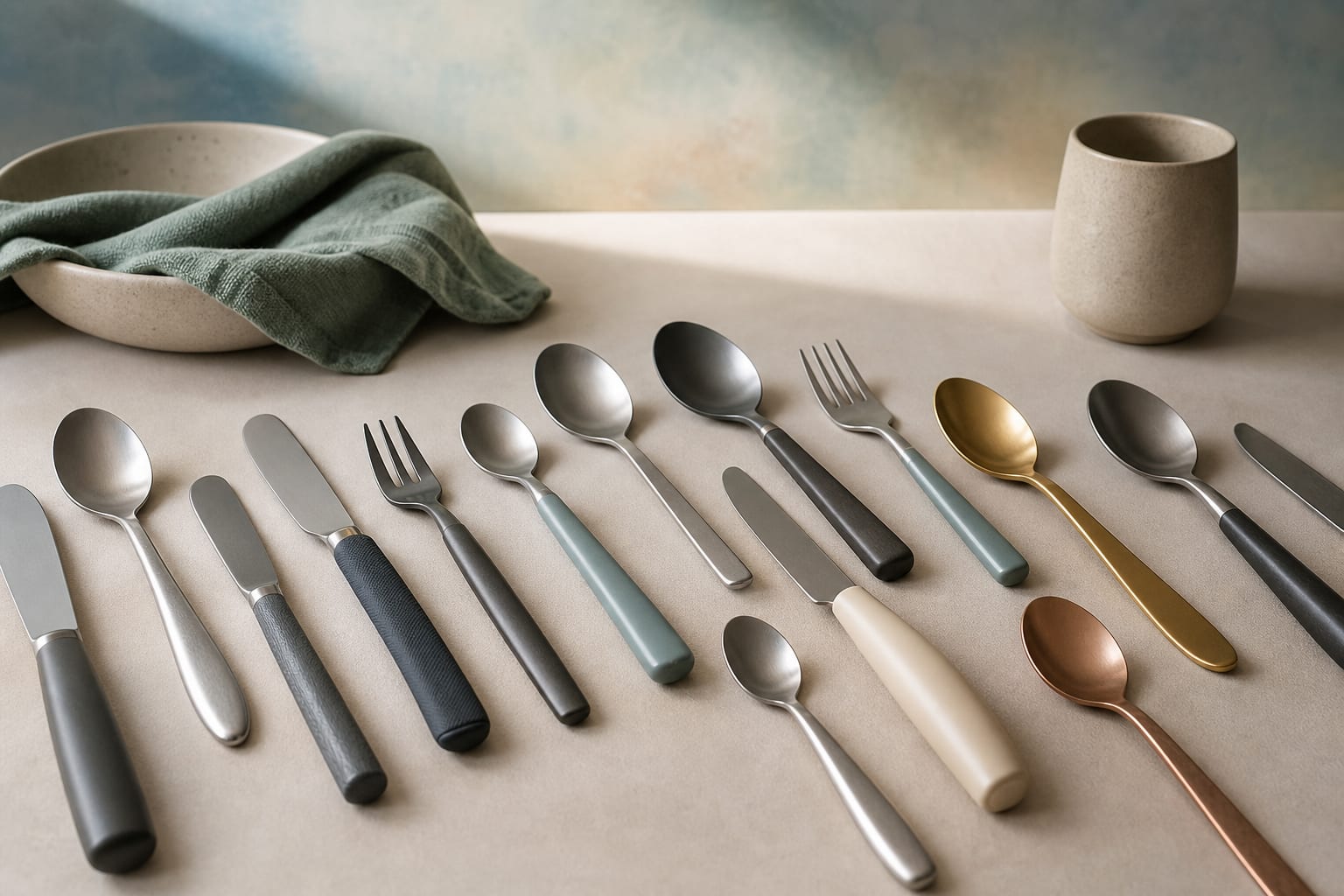
To examine how adults receiving intensive eating disorder treatment evaluate the sensory properties of cutlery, specifically within a neurodivergent-informed care framework.
Key Findings:
Metal cutlery was most frequently preferred by participants, although individual sensory preferences varied.
Wooden, paper-based, plastic, and hybrid cutlery designs were consistently rejected.
Participants reported cutlery as an active sensory interface influencing comfort and readiness to eat.
Preferences were consistent across treatment contexts, with coping strategies noted rather than changes in sensory preferences.
Interpretation:
Cutlery significantly impacts the mealtime experience in ED treatment settings, highlighting the need for sensory-informed adaptations to enhance comfort and engagement.
Limitations:
The study may not be generalizable beyond the specific ED service context in which it was conducted.
Individual sensory preferences may vary widely and were not exhaustively captured in this study.
Conclusion:
Sensory object elicitation can identify preferences that inform the design of sensory-friendly cutlery in ED care environments, supporting the development of neurodivergent-affirming adaptations.
Systematic review of 8 observational studies found limited evidence on associations between prenatal asthma-medication exposure and neurodevelopmental outcomes, with autism spectrum disorder the only outcome suitable for meta-analysis.