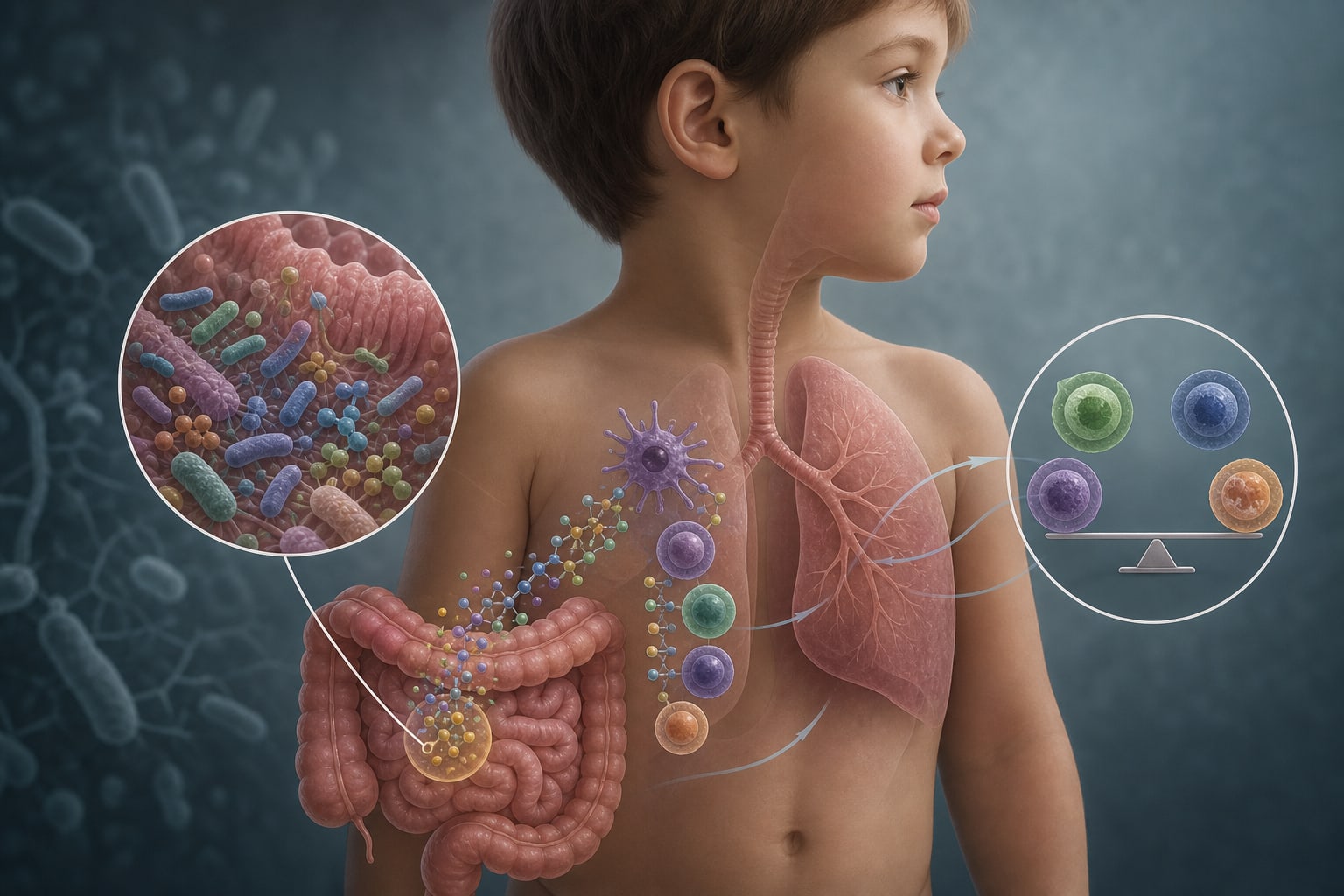
To develop a molecular systems architecture of asthma using the CytoSolve® systems biology platform to analyze molecular pathway interactions across various cell types involved in allergic-eosinophilic and non-allergic asthma phenotypes.
Key Findings:
Identified biomolecular interactions across thirty-one cell types including airway epithelial cells, T-cells, eosinophils, and neurons, with implications for targeted therapies.
Psychological comorbidities amplify airway inflammation through brain-lung cross-talk, suggesting the need for integrated treatment approaches.
Interpretation:
The systems architecture provides a visual map of interactions between various triggers and biomolecular pathways, facilitating target identification and therapeutic strategies for asthma in clinical practice.
Limitations:
The study is limited to the literature reviewed and may not encompass all relevant molecular interactions, potentially affecting the comprehensiveness of the findings.
Potential biases in the selection of studies and data interpretation may influence the conclusions drawn.
Conclusion:
The molecular systems architecture can guide the discovery of therapeutics and biomarkers, enhancing personalized treatment approaches for asthma endotypes, thereby improving patient outcomes.