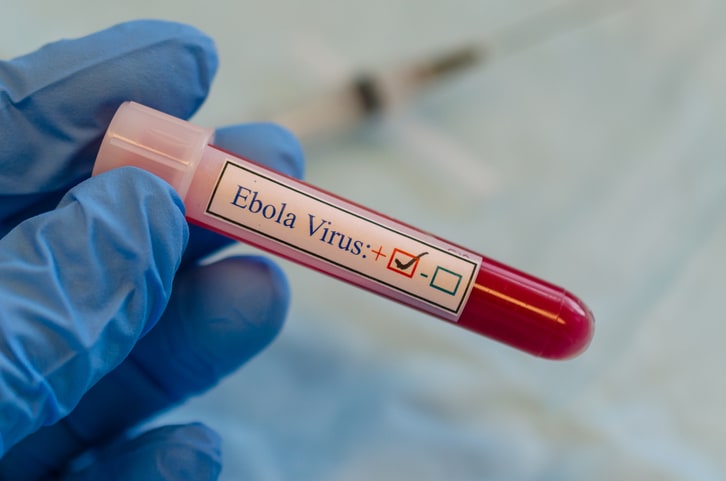
To highlight the specific challenges faced in delivering care during the Ebola outbreak in Congo.
Key Findings:
Healthcare facilities experienced significant shortages of medical supplies and personnel due to the outbreak, with some facilities reporting a 50% reduction in available staff.
Increased fear among healthcare workers led to decreased attendance and reluctance to treat patients, with reports indicating that up to 40% of healthcare workers were absent during peak outbreak periods.
Community mistrust of health authorities hindered effective communication and response efforts, with surveys showing that over 60% of the population expressed skepticism about the motives of health officials.
The outbreak resulted in a diversion of resources from routine healthcare services, leading to a 30% increase in untreated chronic conditions such as hypertension and diabetes.
Mental health issues among healthcare workers surged, with many reporting symptoms of anxiety and depression due to the high-stress environment and fear of contagion.
Access to essential vaccinations and maternal health services was severely impacted, with a reported 70% drop in immunization rates for children under five.
Interpretation:
The findings indicate that the Ebola outbreak severely disrupted healthcare services, leading to increased morbidity and mortality from both Ebola and other treatable conditions. The compounded effects of resource diversion, community mistrust, and healthcare worker absenteeism created a public health crisis beyond the immediate threat of Ebola.
Limitations:
The study was limited by the availability of data from remote areas and the potential for reporting bias. Additionally, the rapidly changing dynamics of the outbreak made it challenging to capture real-time data.
Conclusion:
The Congo Ebola outbreak has highlighted the critical need for robust healthcare infrastructure and effective community engagement strategies to improve care delivery during health emergencies. It underscores the importance of addressing mental health support for healthcare workers and rebuilding trust within communities to ensure effective health responses in the future.