Case Report: Anti-PD-1 therapy as a catalyst for the rapid transformation of a hepatic nodule into HCC: a “soil and seed” paradox in metachronous triple primary malignancies? - Summary - MDSpire
Advertisement
Case Report: Anti-PD-1 therapy as a catalyst for the rapid transformation of a hepatic nodule into HCC: a “soil and seed” paradox in metachronous triple primary malignancies?
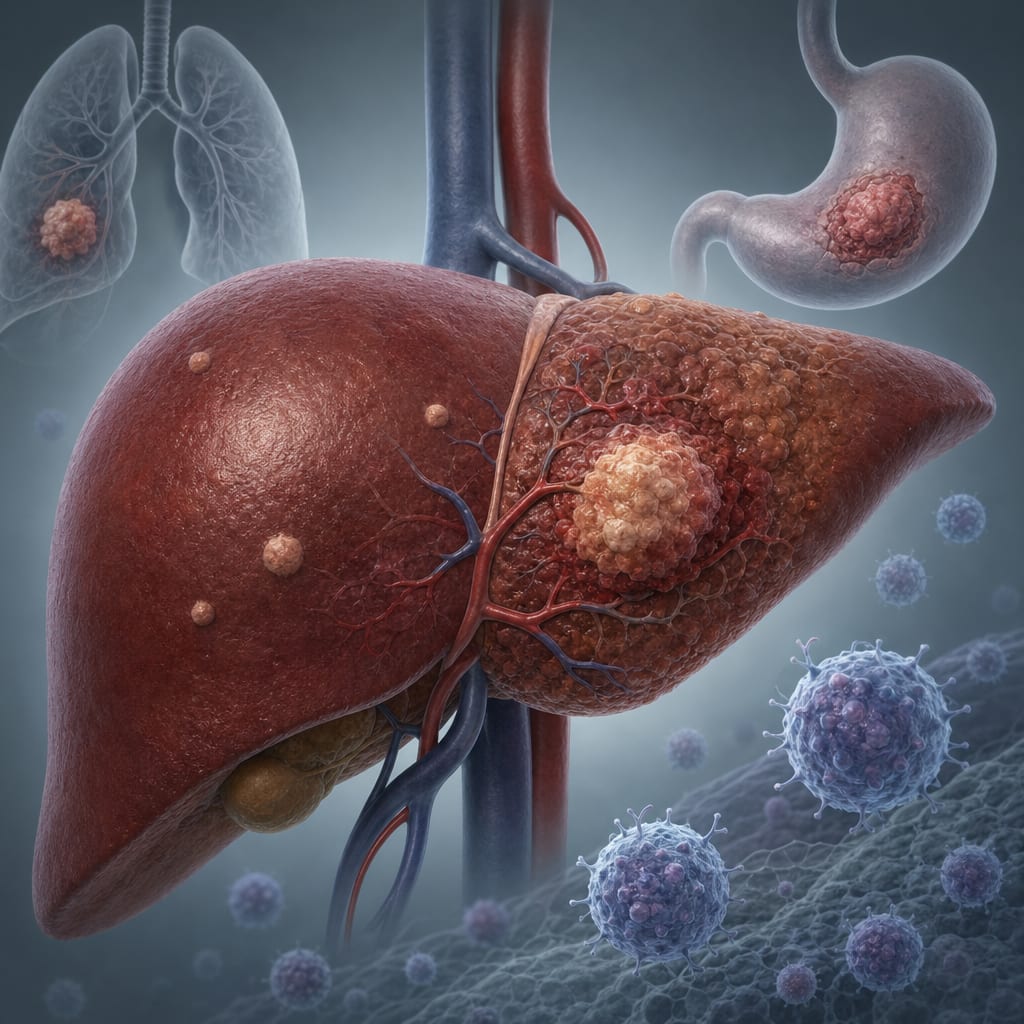
To explore the impact of immune checkpoint inhibitors on the evolution of tumors that develop at different times, specifically the rapid transformation of a hepatic nodule into HCC during PD-1 inhibitor therapy.
Key Findings:
The hepatic nodule underwent rapid malignant transformation into HCC despite the patient achieving a partial response in gastric adenocarcinoma and sustained remission of lung cancer, highlighting a potential paradox in ICI therapy.
Interpretation:
This case highlights the paradoxical effects of ICIs, suggesting that while they can control some tumors, they may inadvertently promote the growth of others in high-risk patients, necessitating careful monitoring.
Limitations:
The findings are based on a single case study, limiting generalizability; further research is needed to understand the organ-specific effects of ICIs on tumor evolution and to include diverse patient demographics.
Conclusion:
Rigorous baseline liver assessment and close radiological surveillance are essential for high-risk patients undergoing immunotherapy, emphasizing the need for further investigation into the effects of ICIs on secondary tumorigenesis and patient management strategies.