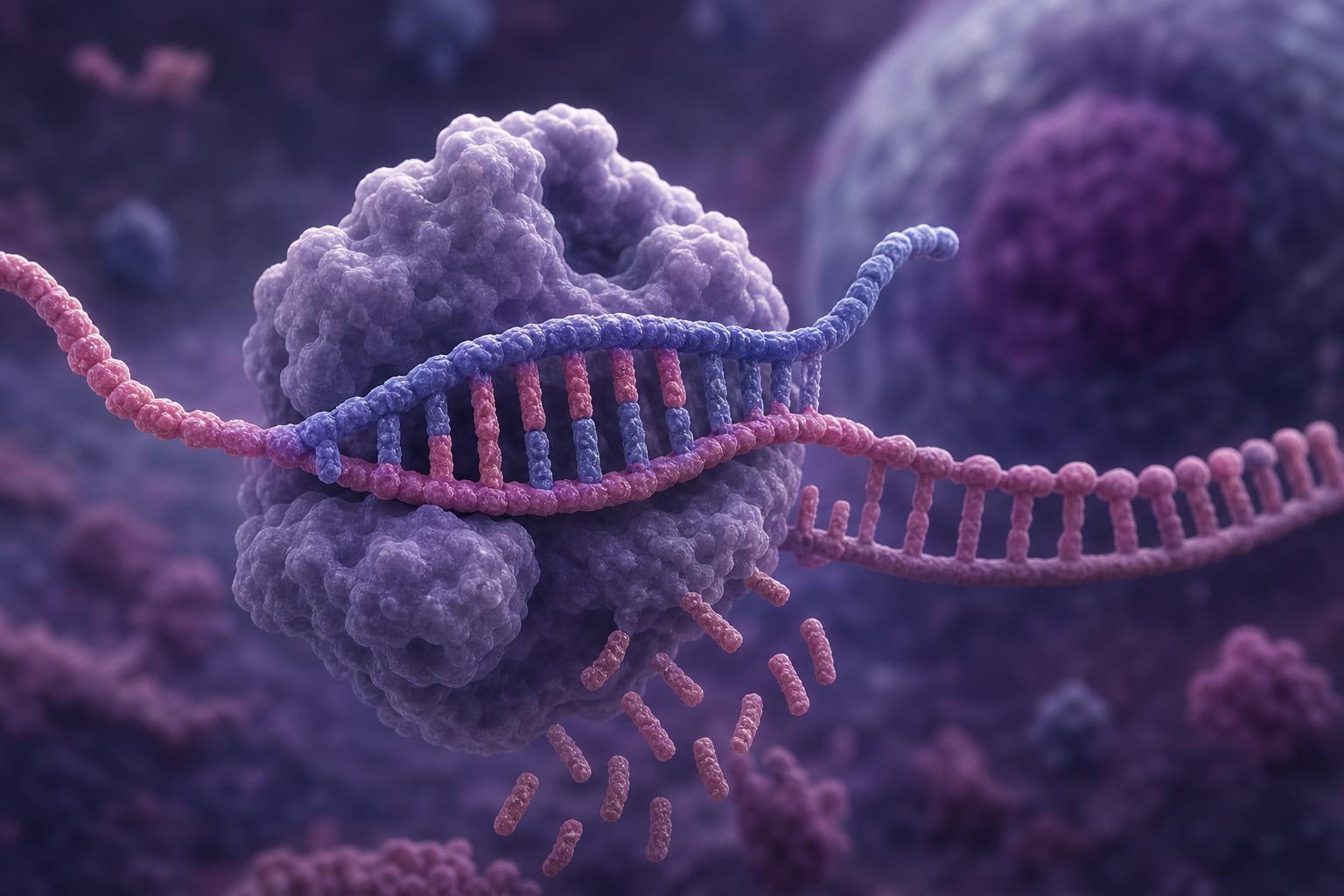
To summarize the basics of synthetic short RNAs and discuss their anti-tumor potential, including specific applications and mechanisms.
Key Findings:
Synthetic short RNAs can modulate cellular biology and have applications in cancer treatment, particularly in gene silencing and immune modulation.
RNA-based therapies offer high versatility and druggability compared to traditional modalities, enabling novel treatment strategies.
Chemical modifications enhance the stability and efficacy of synthetic short RNAs, making them more viable for therapeutic use.
Interpretation:
Synthetic short RNAs, including siRNAs and aptamers, are powerful tools in cancer research, with ongoing developments in their design and application, such as improved delivery methods and enhanced stability.
Limitations:
RNA-based therapies face challenges related to stability, delivery, and renal clearance, which can limit their effectiveness in clinical settings.
Endogenous siRNA is rare in mammals, limiting its natural biogenesis and necessitating synthetic alternatives.
Conclusion:
Synthetic short RNAs represent a promising area in cancer research, with significant potential for therapeutic applications, particularly in targeted therapies and personalized medicine.