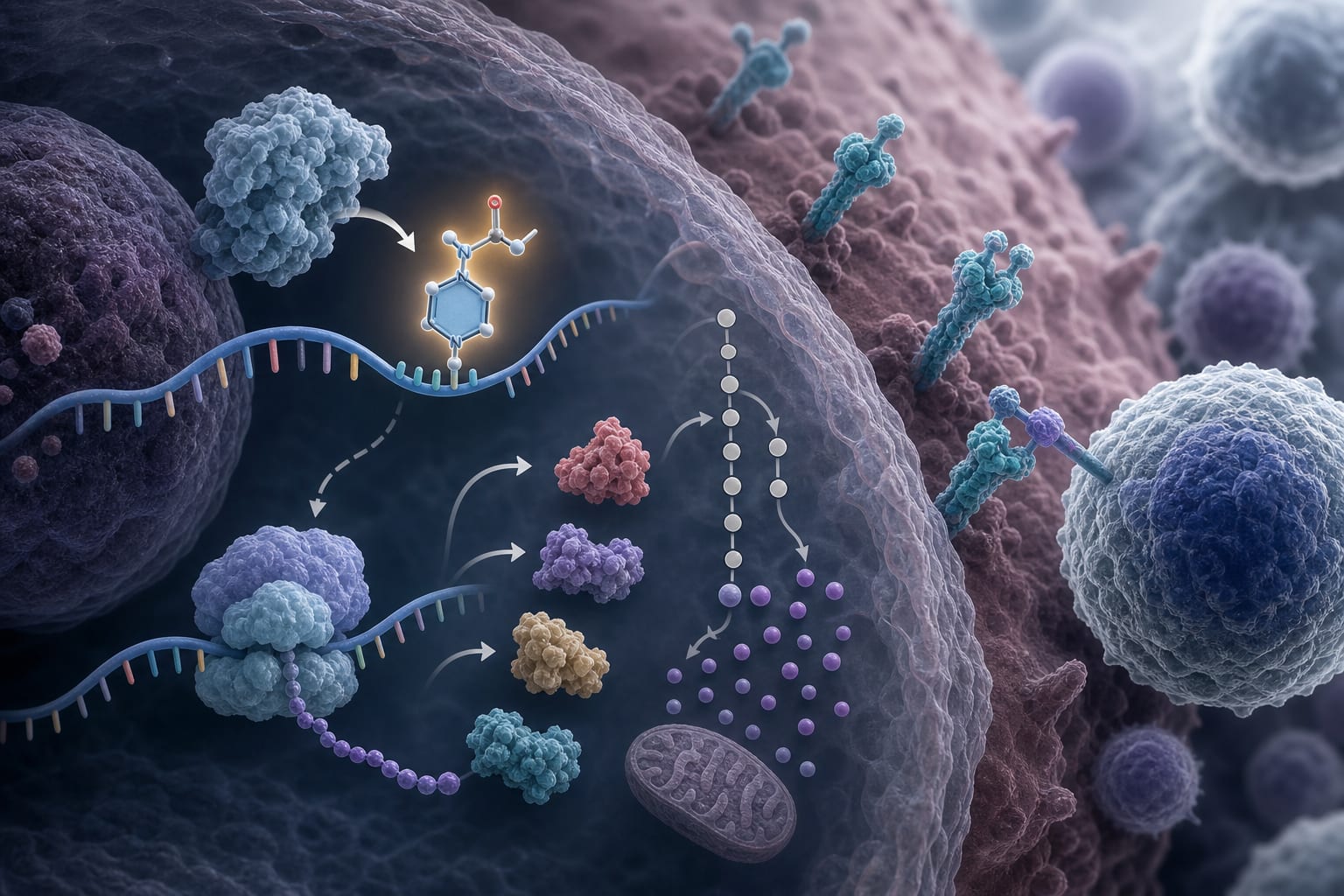
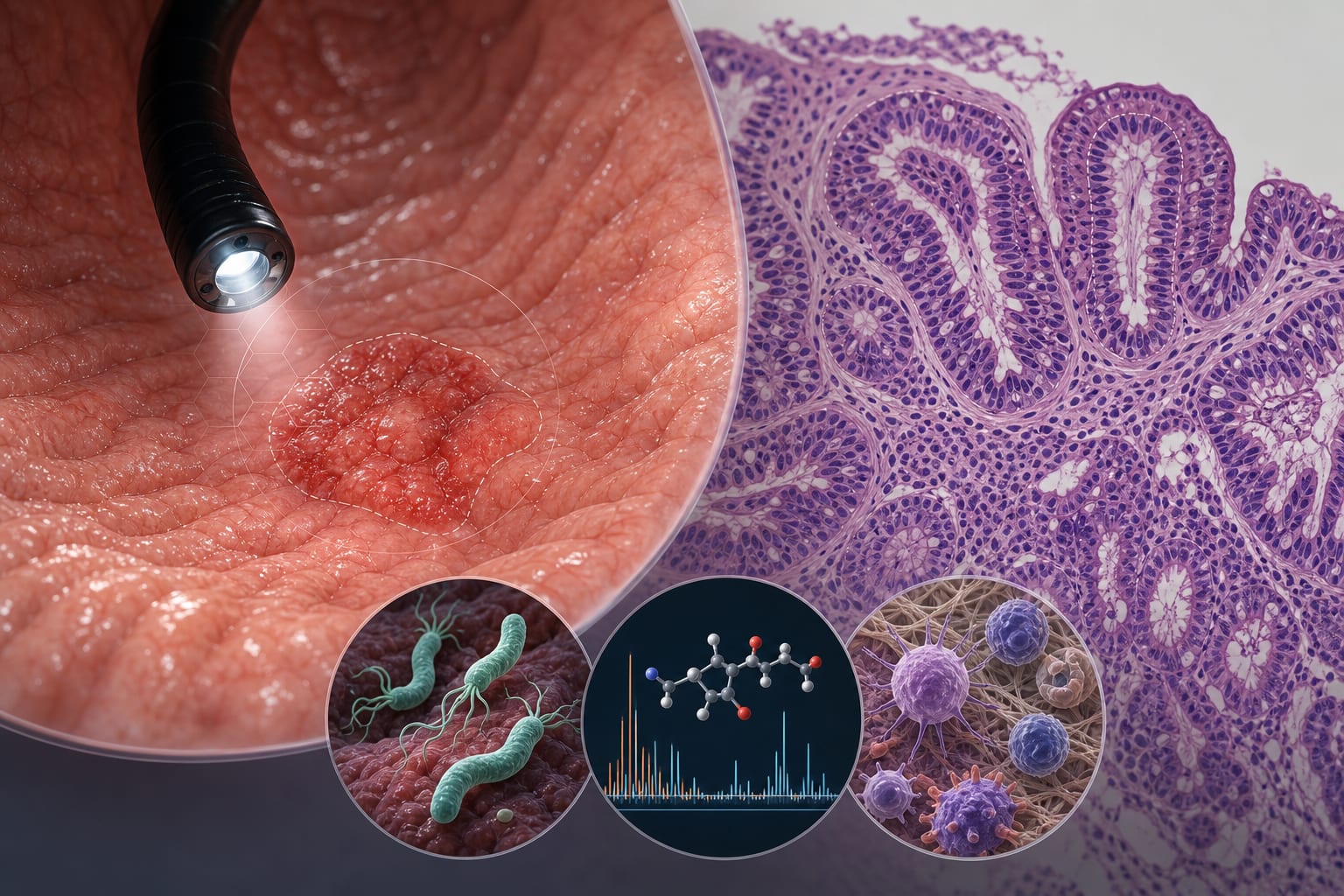
To summarize the roles of N4-acetylcytidine (ac4C) modification in cancer progression, particularly its impact on metabolic reprogramming and immune evasion.
Approach:
Overview of ac4C: Discusses the significance of ac4C as an RNA modification and its regulation by NAT10 in cancer.
Metabolic Regulation: Explores how ac4C enhances the stability and translation of glycolytic enzymes, promoting the Warburg effect.
Immune Evasion: Examines the mechanisms by which ac4C modification facilitates immune evasion, including PD-L1 upregulation and T cell suppression.
Therapeutic Potential: Highlights the potential of targeting NAT10 with inhibitors like Remodelin, especially in combination with immune checkpoint inhibitors.
Key Findings:
ac4C modification enhances the stability and translation of glycolytic enzymes, driving the Warburg effect.
NAT10-mediated ac4C modification promotes immune evasion through upregulation of PD-L1 and suppression of T cell function.
Glycolysis-driven lactate accumulation contributes to an immunosuppressive tumor microenvironment.
Interpretation:
ac4C serves as a molecular bridge connecting metabolic reprogramming and immune escape in cancer.
Limitations:
Emerging controversies regarding ac4C stoichiometry in human mRNA.
Cell-type-specific functions of ac4C in the tumor microenvironment are not fully understood.
The regulatory network involving non-coding RNAs and other RNA modifications is still expanding.
Conclusion:
The review provides a comprehensive analysis of ac4C's role in cancer, proposing an integrated model of metabolic-immune crosstalk and discussing therapeutic implications.