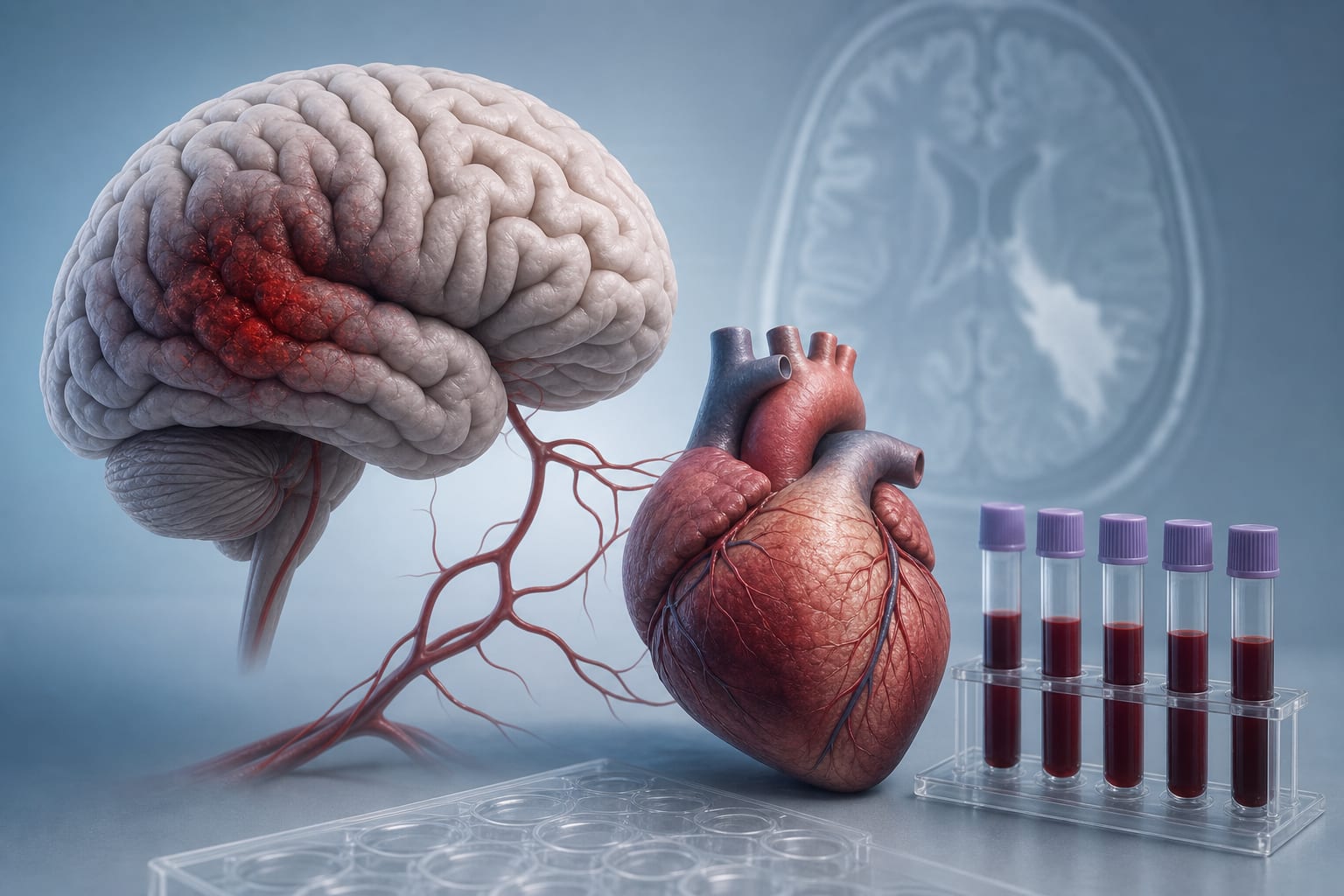
To explore how Developmental Systems Cardiology (DSC) can inform care for individuals with congenital heart disease (CHD) across their lifespan, emphasizing the integration of developmental and psychosocial factors.
Approach:
Framework Introduction: DSC is proposed as an integrative framework that conceptualizes CHD care as a longitudinal adaptive system across interconnected biological, developmental, relational, educational, community, and organizational domains, distinguishing it from traditional biopsychosocial models.
Key Findings:
Long-term outcomes for individuals with CHD are influenced by neurodevelopmental, psychosocial, and educational factors, not just cardiovascular physiology.
Developmental trajectories are shaped by interactions among biological vulnerability, family relationships, educational experiences, community resources, and healthcare systems.
DSC emphasizes the importance of coordinated support across multiple developmental stages and healthcare settings.
Interpretation:
The article emphasizes the need for a holistic approach to CHD care that incorporates developmental systems.
Limitations:
The article does not provide specific empirical data to support the proposed DSC framework, limiting its practical application.
Challenges in implementation of the DSC framework in clinical practice are not addressed, which may affect its adoption.
Conclusion:
DSC offers a comprehensive perspective on the lifelong care of individuals with CHD, highlighting the importance of addressing developmental and psychosocial needs.