Diagnostic research in immune checkpoint inhibitor-related pneumonitis: a bibliometric analysis of research evolution, diagnostic focuses, and future priorities - Summary - MDSpire
Advertisement
Diagnostic research in immune checkpoint inhibitor-related pneumonitis: a bibliometric analysis of research evolution, diagnostic focuses, and future priorities
To analyze the literature on immune checkpoint inhibitor-related pneumonitis (CIP) and its diagnostic assessment using bibliometric methods.
Approach:
Data Collection: Publications on CIP and diagnostic assessment were retrieved from the Web of Science Core Collection (WoSCC) and PubMed.
Analysis Tools: Microsoft Excel, VOSviewer, CiteSpace, Bibliometrix, and SCImago Graphica were used for bibliometric analysis.
Dataset: 628 WoSCC records were included for bibliometric analysis, and 74 PubMed records were used for supplementary clinical-topic assessment.
Key Findings:
CIP research increased significantly after 2015, with the highest output in 2023.
China published the most papers, while the United States had the greatest citation impact.
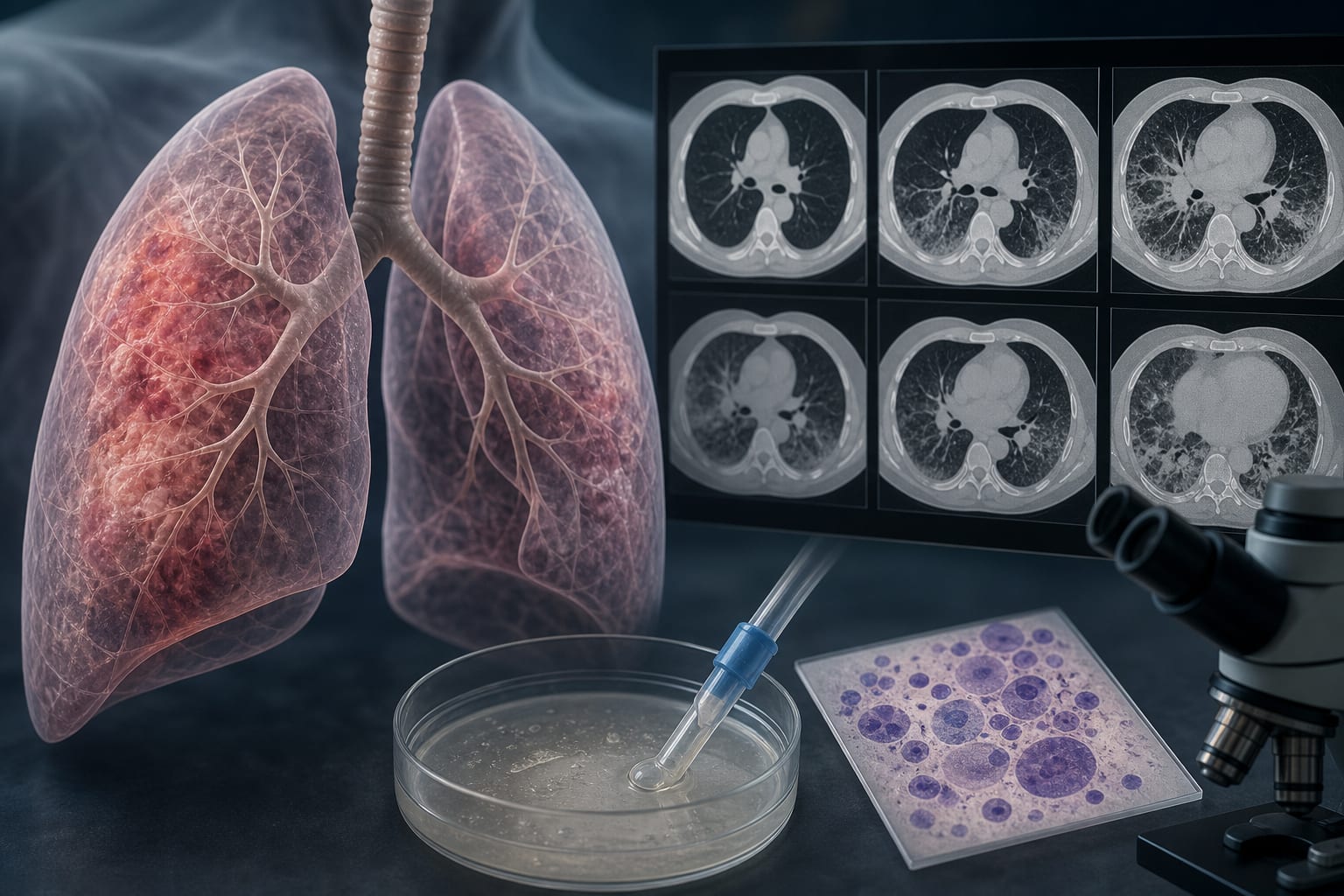
Research themes shifted from melanoma and T cells to diagnosis, imaging features, and biomarkers.
Key clinical diagnostic themes included imaging features, bronchoalveolar lavage, and risk prediction.
Interpretation:
Research into CIP has evolved towards diagnostic assessment and personalized risk assessment, reflecting the clinical challenges in distinguishing CIP from other pulmonary complications.
Limitations:
Existing evidence is scattered across multiple disciplines, complicating the understanding of research direction.
Current studies may lack standardized diagnostic strategies linked to prognosis.
Conclusion:
Future research should focus on developing and validating standardized, multicenter diagnostic strategies for CIP, incorporating imaging findings, bronchoalveolar lavage, and predictive models.