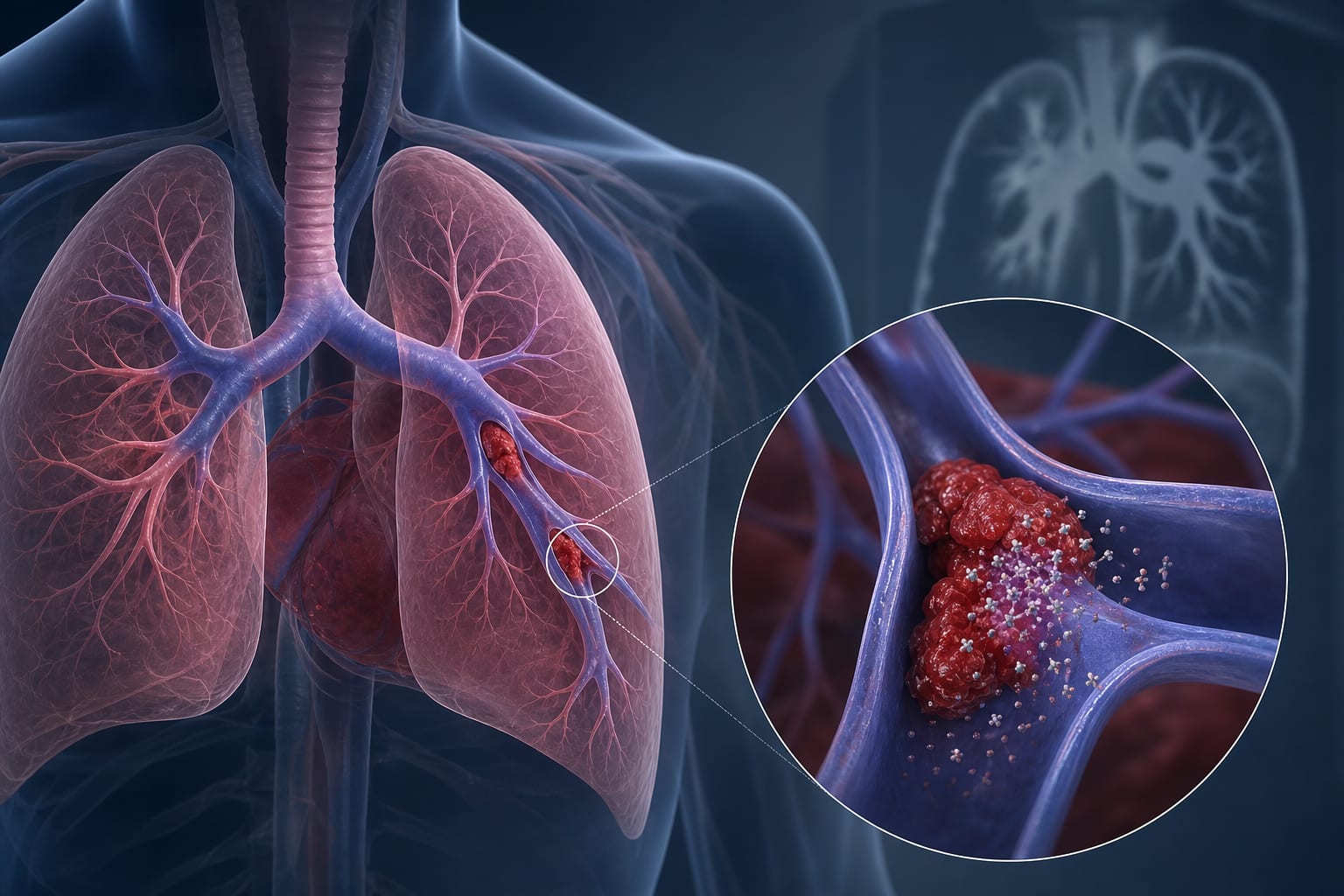
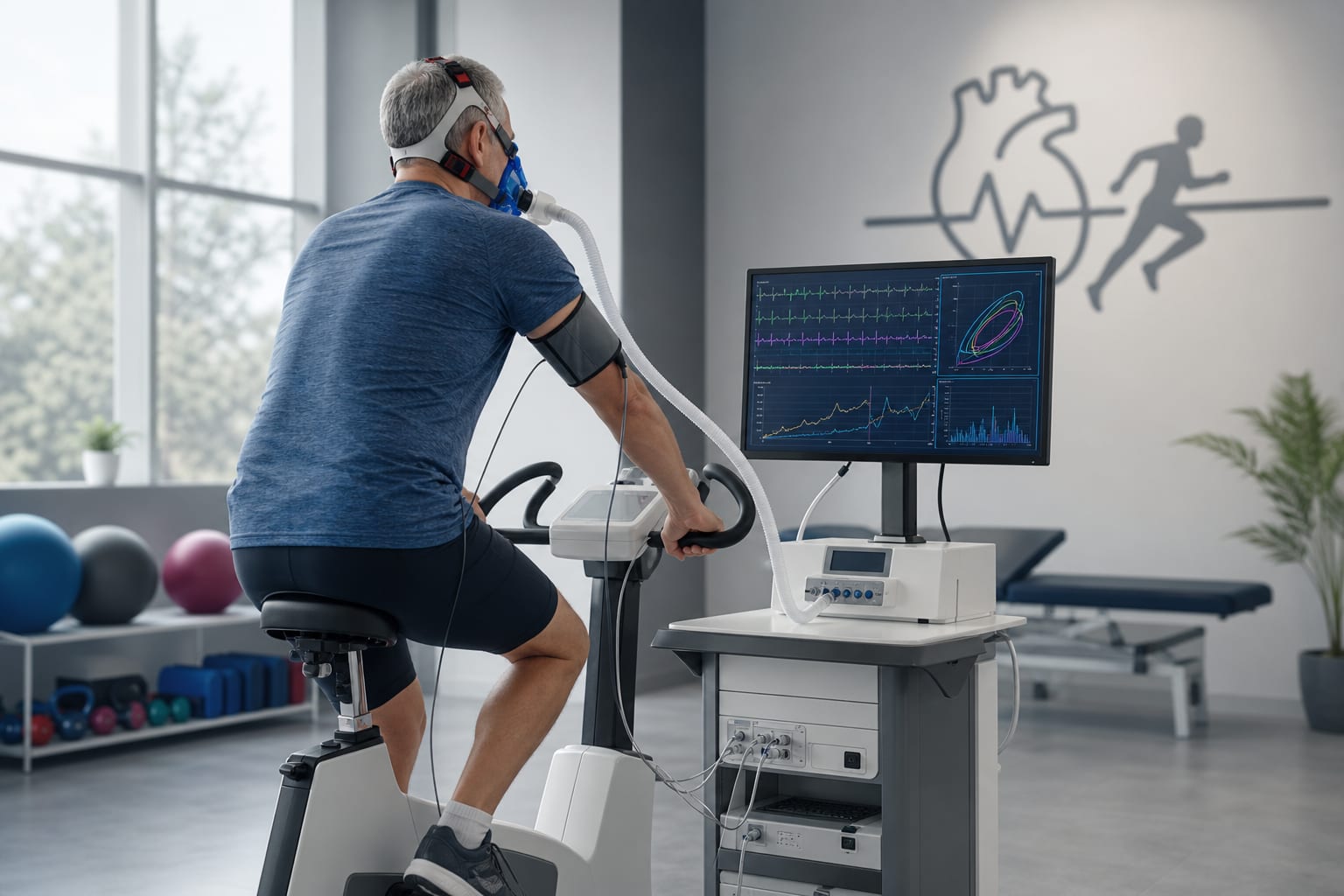
To explore the adequacy of PaO2 and SpO2 as oxygenation targets in critically ill patients and propose a new approach for monitoring pulmonary O2 toxicity.
Approach:
Physiological considerations: Discusses hyperoxia and O2 toxicity, emphasizing the distinction between pulmonary and systemic O2 toxicity.
O2 physiology: Explains how O2 transport is primarily mediated by hemoglobin and the factors influencing O2 diffusion and delivery.
Assessing tissue O2 exposure: Critiques the reliance on PaO2 and SaO2 for defining oxygenation targets, highlighting their limitations in reflecting actual tissue O2 delivery.
Key Findings:
PaO2 and SaO2 do not adequately reflect the potential toxicity of O2 or the relationship between O2 delivery and cellular O2 consumption.
Extracorporeal mechanical life support (VA-ECMO) may allow for the distinction between pulmonary and systemic O2 toxicity.
Observational studies suggest an association between VA-ECMO-related hyperoxemia and worse clinical outcomes, although randomized controlled trials (RCTs) show no significant differences in outcomes between liberal and restrictive strategies.
Interpretation:
Neither PaO2 nor SaO2/SpO2 are sufficient indicators for assessing oxygenation targets in critically ill patients, highlighting the need for a reevaluation of monitoring strategies.
Limitations:
Current RCTs have shown inconsistent results regarding oxygenation strategies, which complicates the establishment of clear guidelines.
The physiological complexities of O2 transport and utilization are not fully captured by standard oxygenation metrics.
Conclusion:
The article advocates for a reconsideration of how oxygenation is monitored in critically ill patients, particularly in light of the limitations of existing measures.