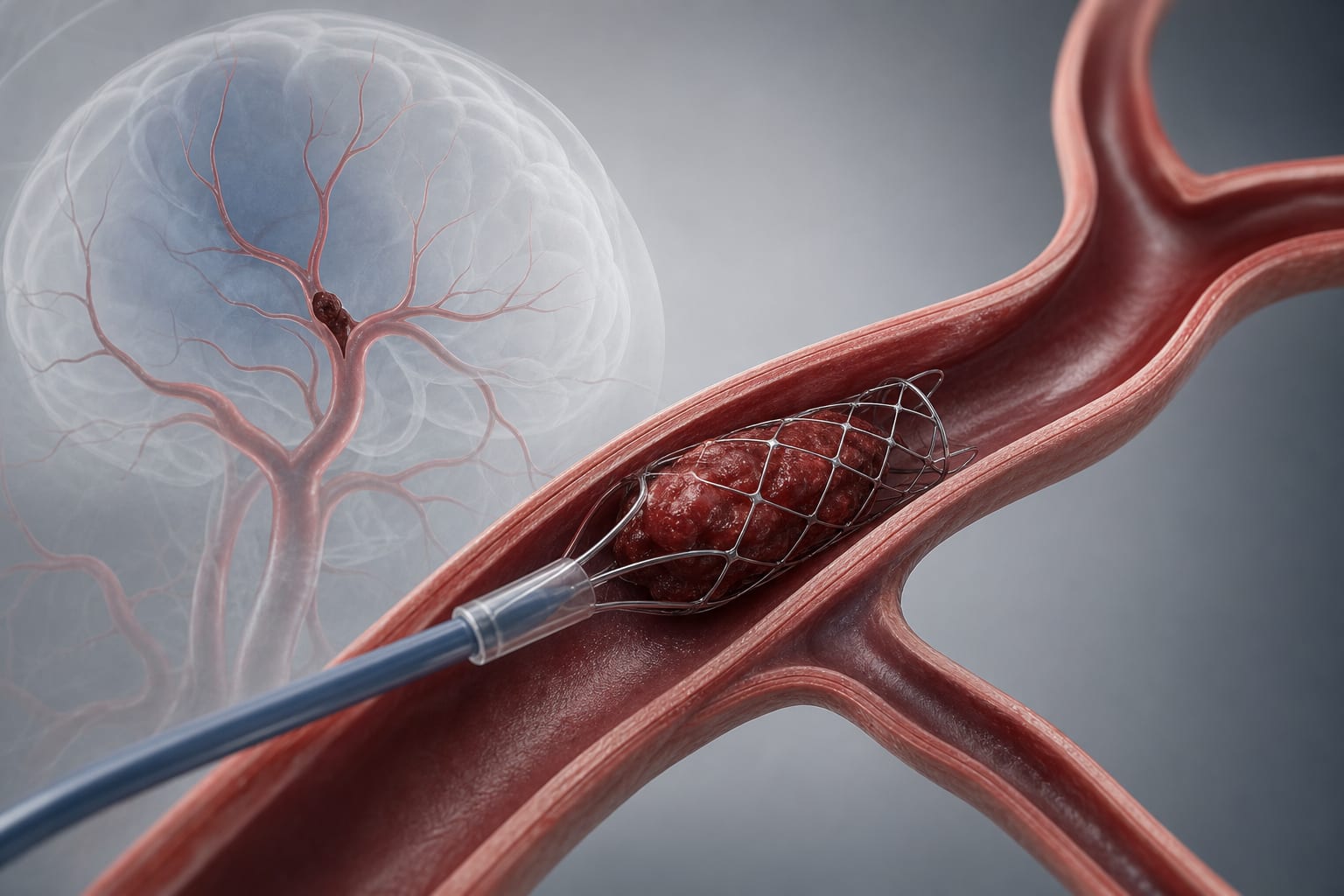
To characterize glymphatic system (GS) impairment patterns in acute ischemic stroke (AIS) and explore their correlations with neurological and motor deficits, emphasizing the significance of these correlations for clinical outcomes.
Key Findings:
Left-hemisphere DTI-ALPS index was significantly higher than the right in healthy controls.
Both left- and right-sided infarction groups showed reduced left hemisphere DTI-ALPS indices compared to healthy controls.
In the left infarction group, left hemisphere DTI-ALPS index negatively correlated with NIHSS scores and positively with FMA-UE scores.
In the right infarction group, left hemisphere DTI-ALPS index positively correlated with FMA-UE scores.
Interpretation:
The findings indicate a left-dominant pattern of GS impairment in AIS, suggesting that the left hemisphere DTI-ALPS index may serve as a biomarker for assessing upper limb motor function in acute stroke, with potential implications for clinical assessment and treatment strategies.
Limitations:
Study limited to right-handed individuals, which may affect generalizability.
Cross-sectional design limits causal inferences and may introduce biases.
Conclusion:
The left hemisphere DTI-ALPS index may represent a promising, lateralization-independent biomarker for upper limb motor function assessment in the acute phase of stroke, highlighting its potential role in clinical practice.