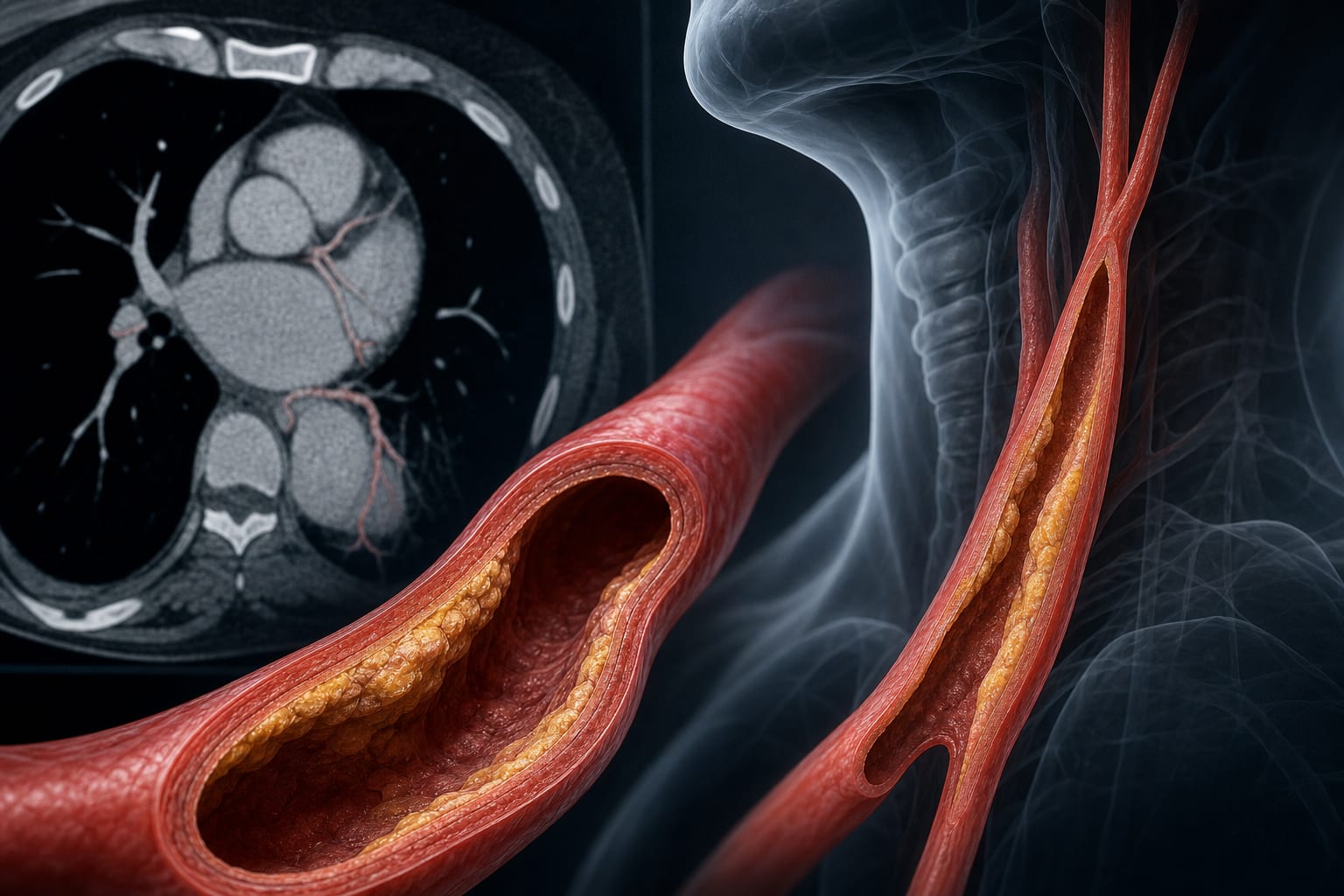
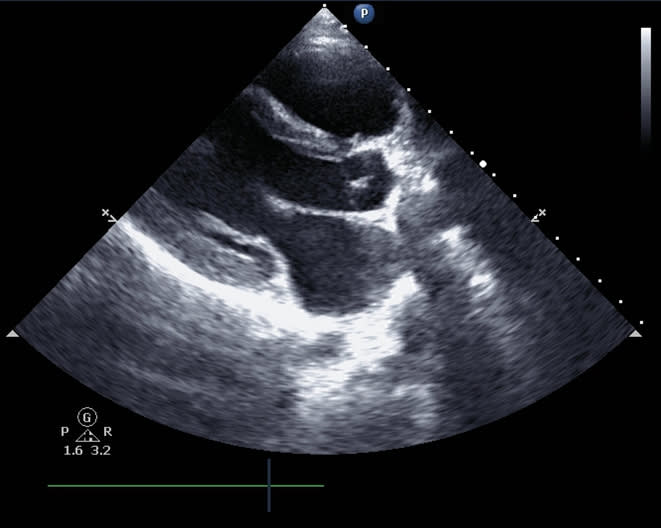
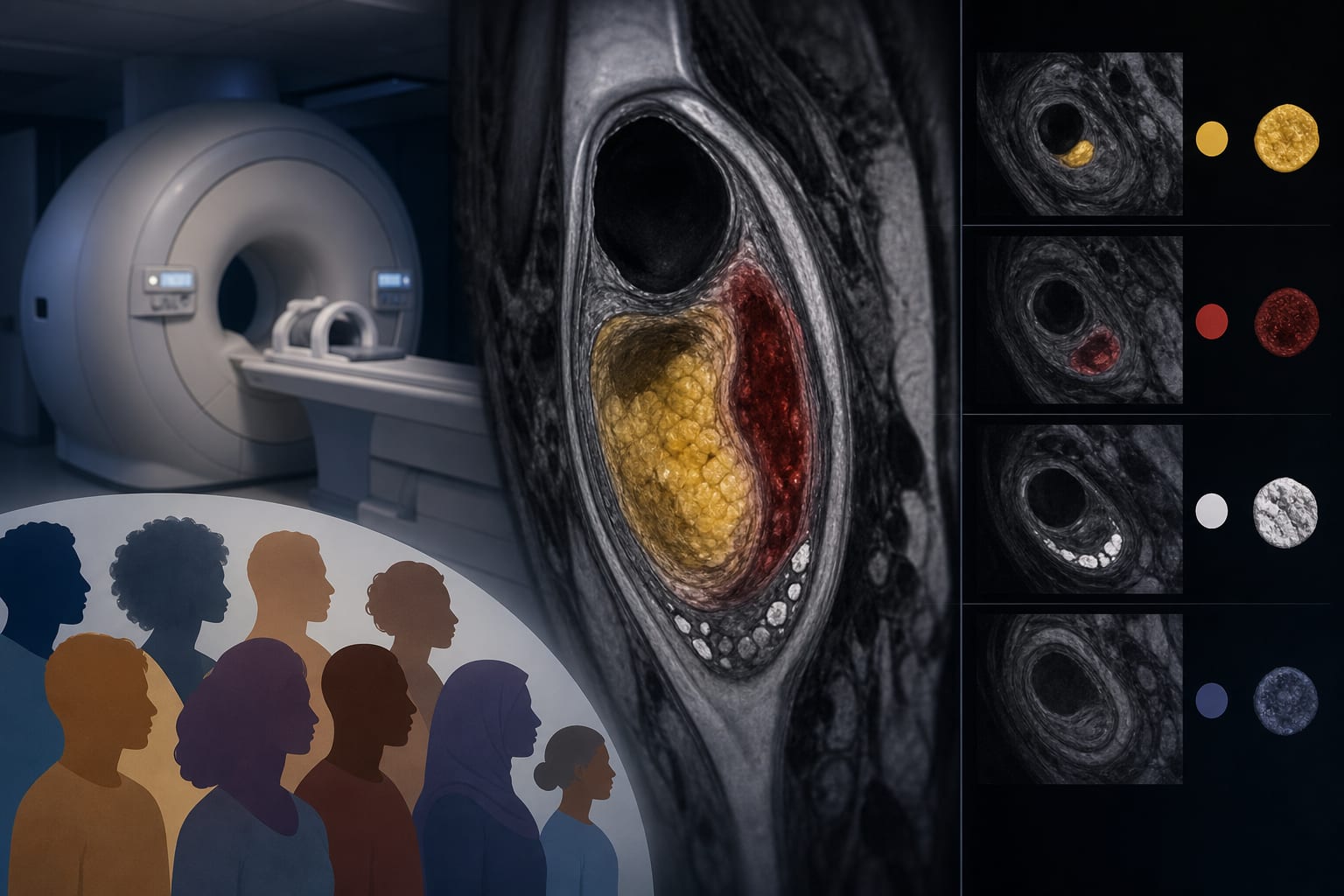
To investigate the associations of serum uric acid levels, hyperuricemia, and urate-lowering therapy with imaging-defined subclinical coronary and carotid atherosclerosis.
Approach:
Assessment of Uric Acid: Serum uric acid concentrations were measured, with hyperuricemia defined as serum urate levels ≥ 6.8 mg/dL, which is the solubility threshold for monosodium urate.
Key Findings:
Epidemiologic studies link elevated serum uric acid to increased cardiovascular risks, particularly in relation to subclinical atherosclerosis.
The causal relationship between uric acid and atherosclerosis remains uncertain, with previous studies focusing more on clinical events.
Interpretation:
The study aims to clarify whether urate-related phenotypes are associated with subclinical atherosclerosis or primarily reflect clustering of cardiometabolic risk factors.
Limitations:
Exploratory analyses in participants receiving urate-lowering therapy were limited by small sample sizes.
The age distribution in the CT imaging subgroup was narrower than in the overall cohort.
Conclusion:
The study seeks to provide insights into the role of uric acid in subclinical atherosclerosis, particularly in distinguishing its effects across different vascular territories.
by Mathias Ausserwinkler, Christian Jung, Bernhard Paulweber, Johannes Bauer, Ludmilla Kedenko, Tobias Kiesslich, Barbara Fixl, Eugen Trinka, Patrick Langthaler, Bernhard Iglseder, Maria Flamm, Elmar Aigner, Bernhard Wernly