To synthesize emerging findings on neutrophil biology and guide future research and therapeutic development, particularly in disease contexts.
Approach:
Key Findings:
Dysregulated neutrophil responses contribute to chronic inflammatory disorders, cancer, and tissue injury, necessitating targeted therapeutic strategies.
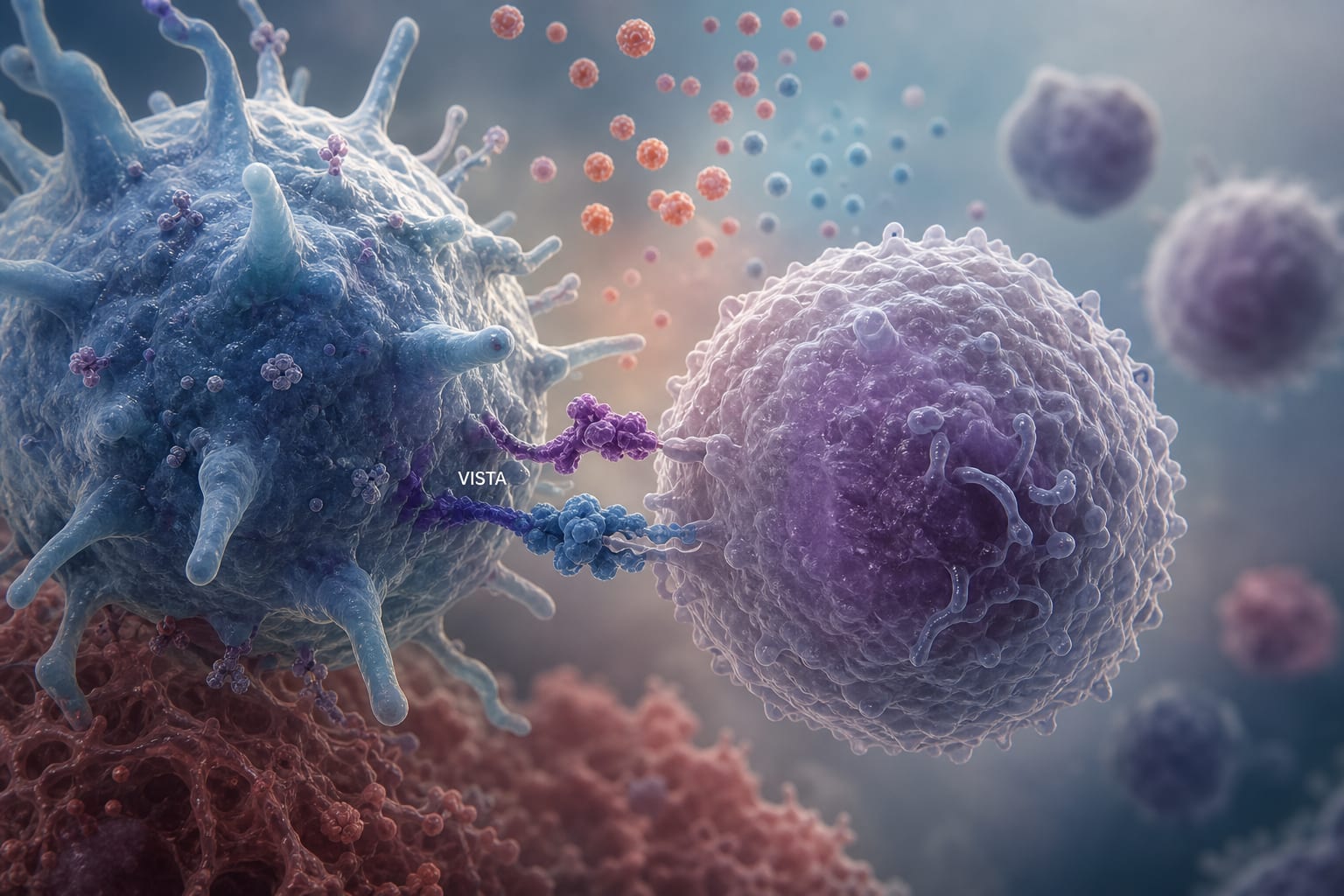
Neutrophils can both support and suppress tumor progression, indicating their dual role in cancer therapy.
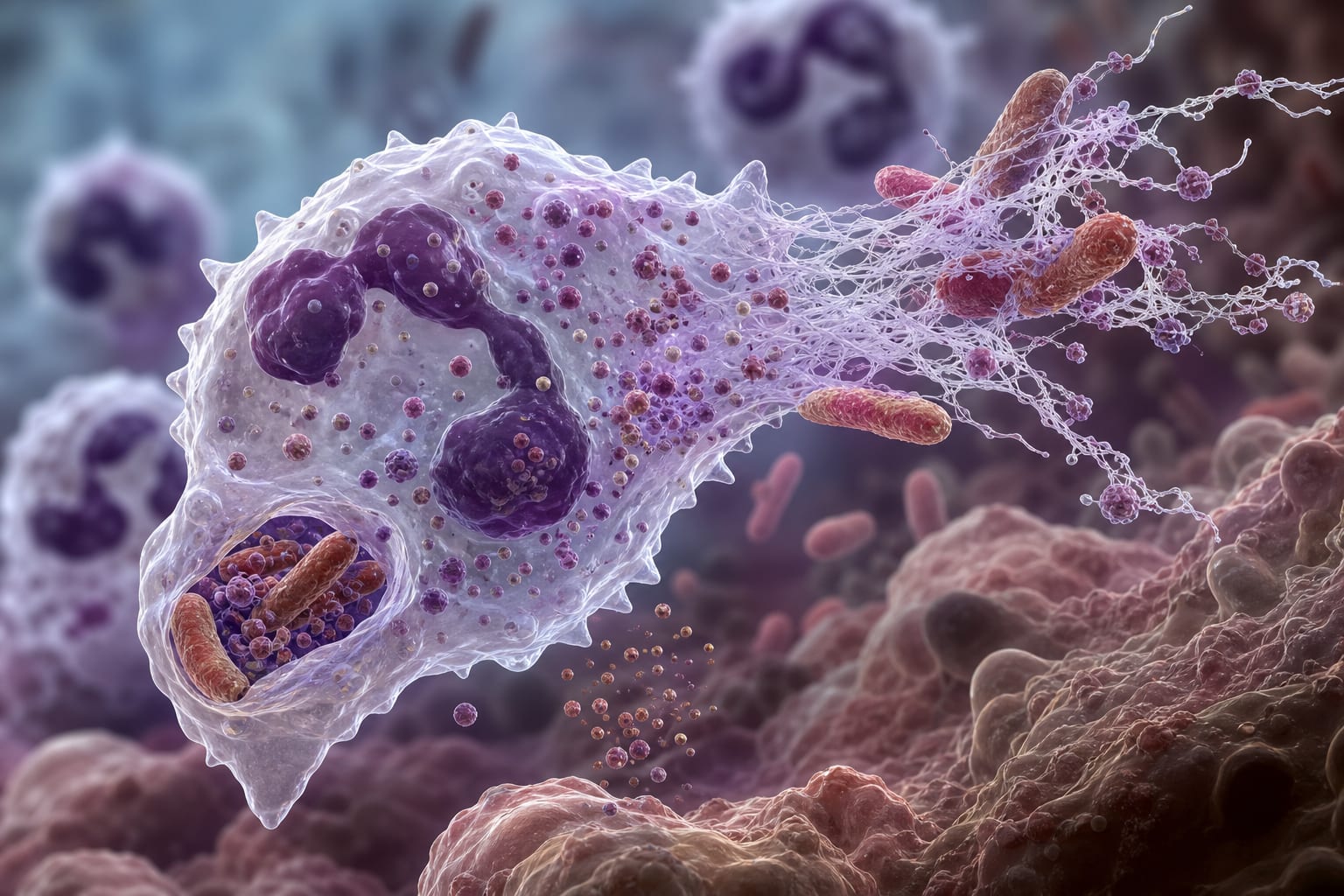
New insights into neutrophil granule dynamics and autophagy regulation have been identified, which could inform future research directions.
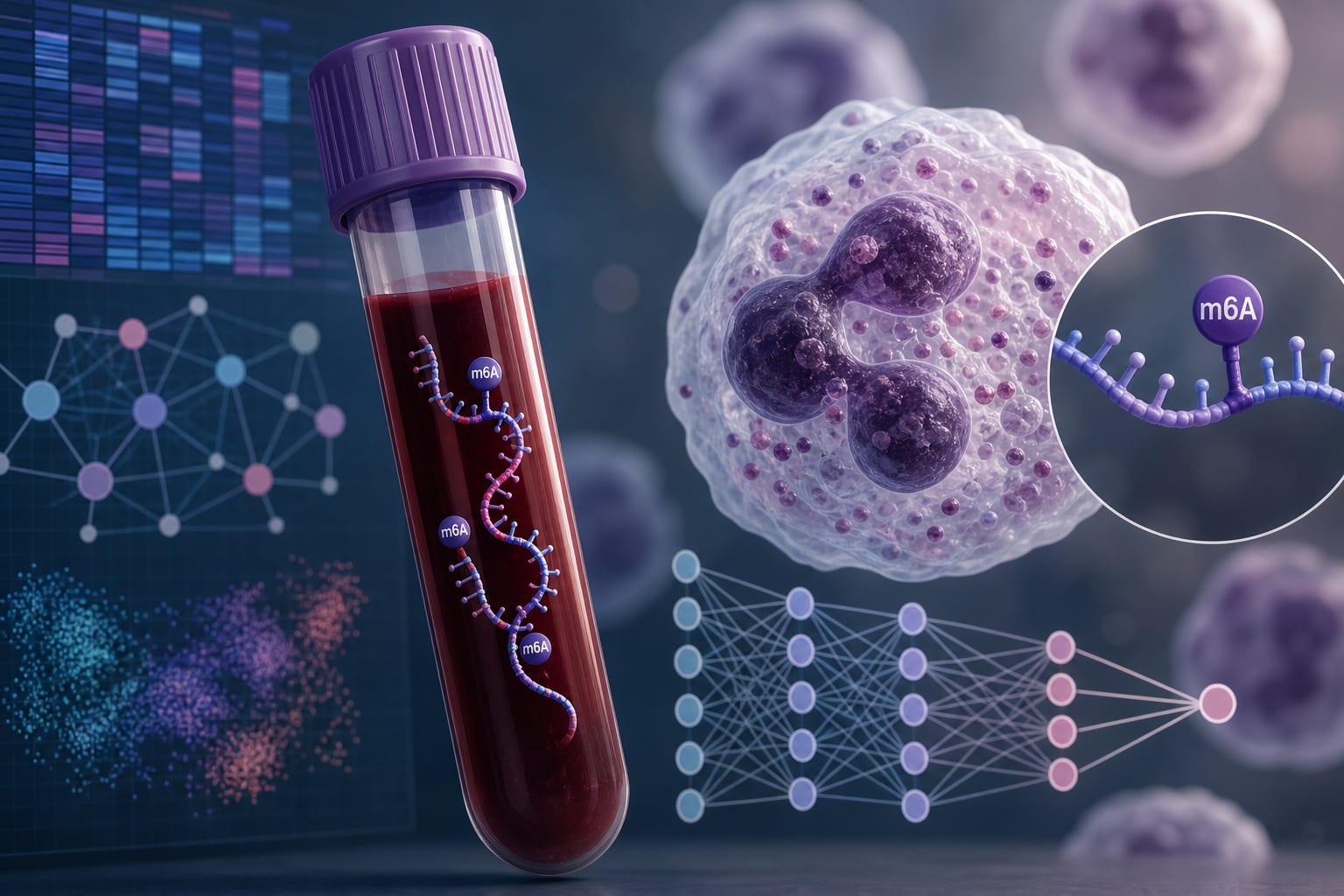
Neutrophils are being developed as adjunctive cancer therapies and diagnostic tools, emphasizing their clinical relevance.
Interpretation:
Neutrophils are central to various physiological and pathological processes, with significant implications for diagnostics and therapeutic development in multiple diseases.
Limitations:
Many fundamental mechanisms of neutrophil regulation in disease contexts remain unresolved, particularly regarding their dual roles in inflammation.
The balance between targeting neutrophil functions and preserving host defense is complex, requiring careful consideration in therapeutic approaches.
Conclusion:
The editorial emphasizes the need for an integrated understanding of neutrophil biology to inform future research and therapeutic strategies, particularly in clinical applications.