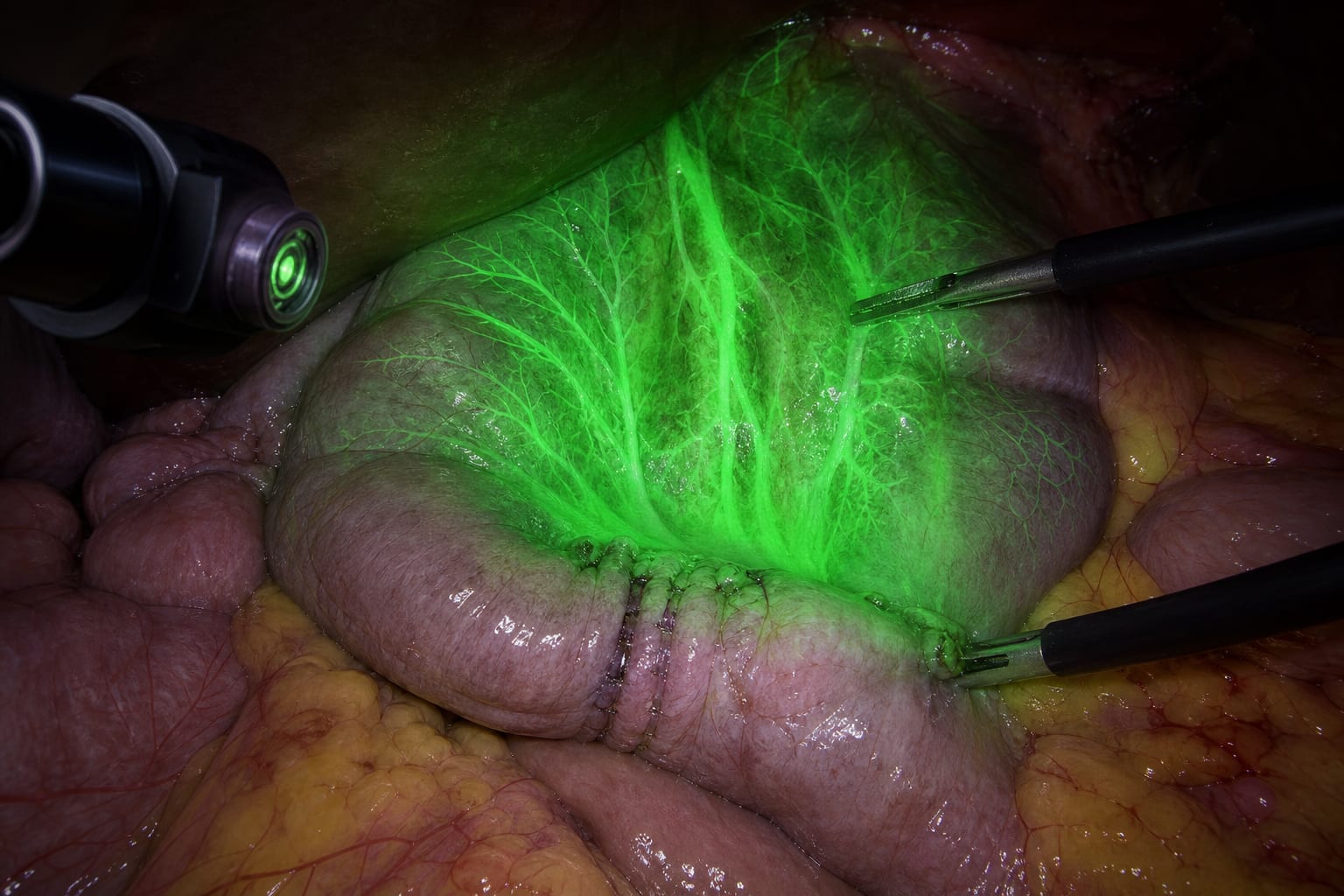
To develop evidence-based implementation strategies for colorectal cancer surgical isolation techniques and evaluate current compliance through a baseline clinical audit.
Approach:
Evidence Synthesis: Systematic evidence synthesis following PRISMA guidelines with a prospectively registered protocol.
Baseline Audit: Conducted a clinical audit to assess current practice compliance.
Implementation Strategies Development: Formulated targeted implementation strategies based on identified practice gaps.
Key Findings:
Compliance was below 60% for 7 of 10 audit indicators, including abdominal cavity flushing (45.45%) and intraoperative glove replacement (45.87%).
Key barriers to compliance included insufficient training (65.70% compliance) and poor team communication.
Facilitators for compliance included staff willingness to undergo training and the availability of adequate equipment.
Interpretation:
The study presents a framework targeting system, practitioner, and patient factors to standardize practice and improve compliance with tumor isolation techniques.
Limitations:
The effectiveness of the strategies in reducing iatrogenic metastasis requires future evaluation through a post-intervention re-audit to assess their impact.
Conclusion:
The research aims to provide valuable reference for clinical medical staff to implement isolation technology in colorectal cancer surgery.