To evaluate the efficacy, safety, and tolerability of LB-102 compared to placebo in adults with acute schizophrenia.
Approach:
Trial Design: NOVA1 was a double-blind, placebo-controlled, randomized clinical trial conducted at 25 inpatient sites in the US.
Participant Criteria: Eligible participants were adults aged 18-55 with a primary diagnosis of schizophrenia, requiring hospitalization for acute exacerbation of psychotic symptoms.
Randomization: Participants were randomized in a 3:3:3:1 ratio to receive LB-102 (50 mg, 75 mg, or 100 mg) or placebo.
Trial Duration: The trial lasted approximately 8 weeks, including an inpatient treatment period and a follow-up.
Key Findings:
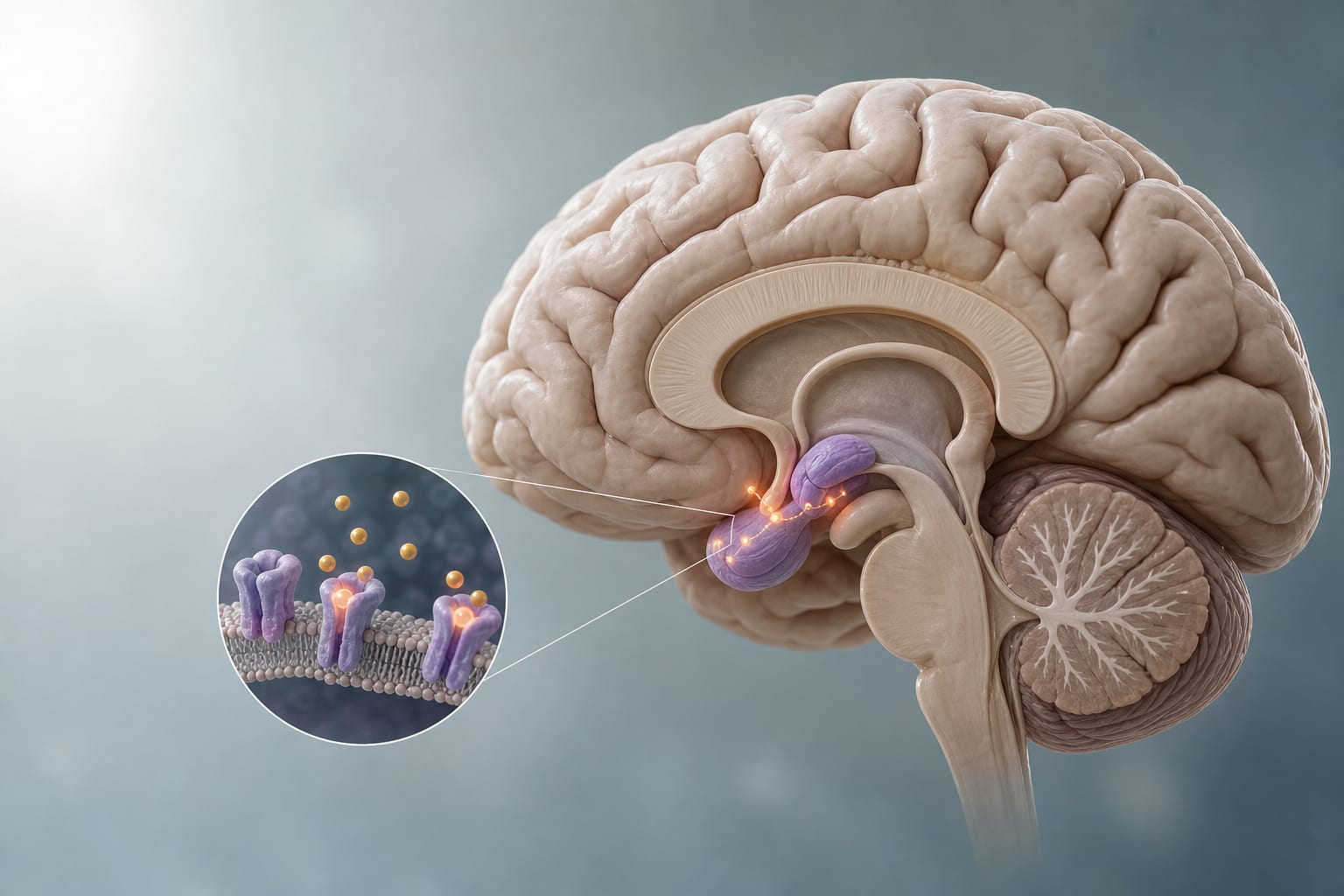
LB-102 demonstrated sustained D2/D3 receptor blockade with lower systemic exposure compared to amisulpride.
Once-daily dosing of LB-102 achieved therapeutic receptor occupancy levels with reduced adverse effects.
The trial adhered to Good Clinical Practice and ethical standards.
Interpretation:
LB-102 may offer a favorable safety and efficacy profile for treating acute schizophrenia, addressing limitations of traditional antipsychotics.
Limitations:
The study's sample size for the 100 mg arm was smaller.
The trial was conducted in a specific inpatient setting, which may limit generalizability.
Conclusion:
LB-102 shows promise as a treatment option for acute schizophrenia, warranting further investigation in late-stage trials.
by Anna Eramo, Christoph U. Correll, David P. Walling, Rishi Kakar, Niccolo Bassani, Leslie Callahan, Baker P. Lee, Zachary Prensky, Andrew R. Vaino, John M. Kane