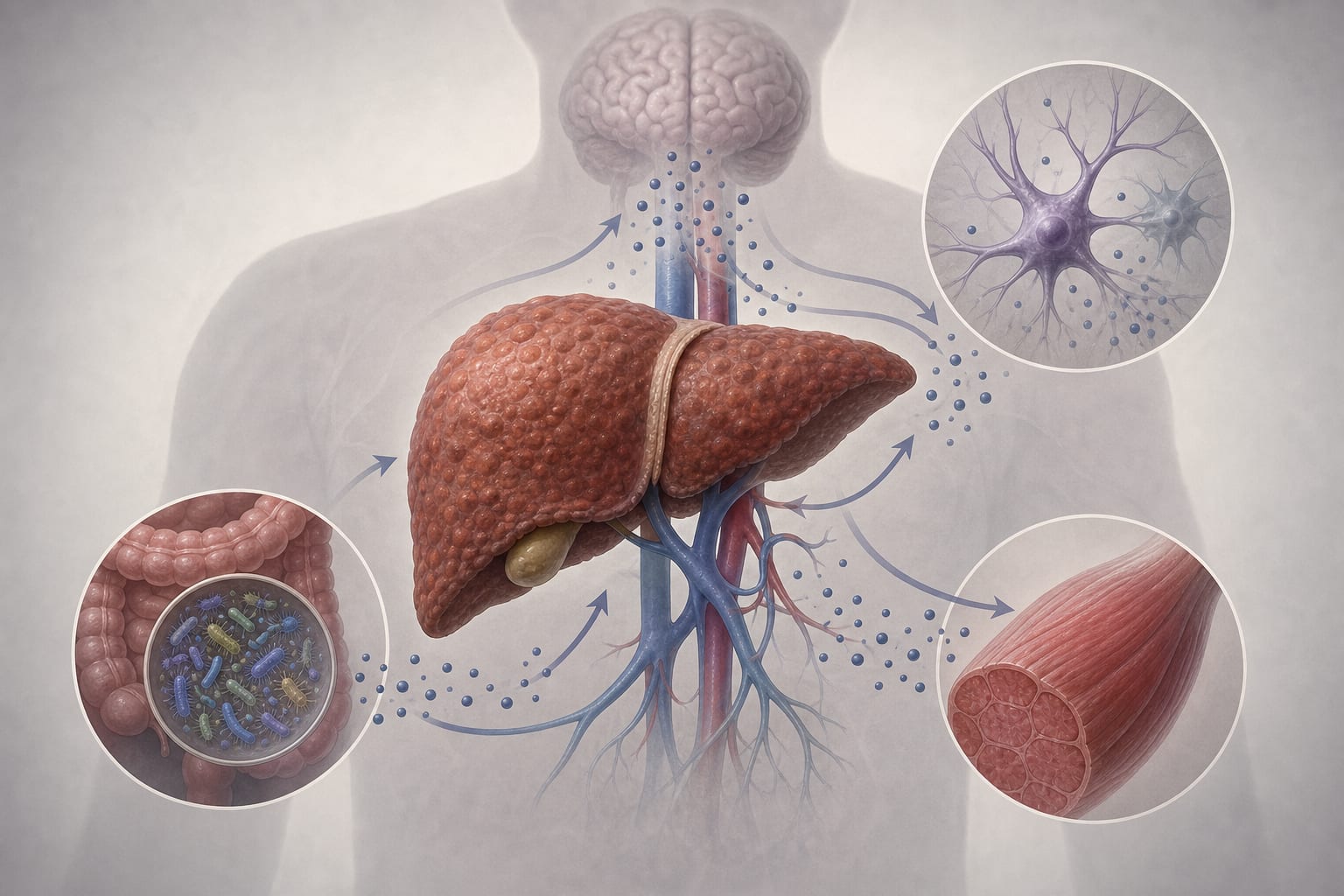
To assess the application of non-invasive tests, specifically the enhanced liver fibrosis (ELF) test and liver stiffness measurement (LSM), in at-risk populations, including those with type II diabetes mellitus and hazardous alcohol use, to identify clinically important disease related to steatotic liver disease.
Approach:
Study Design: Service evaluation report conducted in Leeds, UK, assessing patients from a community diabetes clinic and alcohol treatment services.
Testing Methodology: Patients were offered enhanced liver fibrosis (ELF) testing alongside routine assessments, with those scoring ≥9.5 referred for liver stiffness measurement (LSM).
Key Findings:
972 patients were assessed, with 325 undergoing both ELF and LSM.
45% of patients from the diabetes service had ELF scores below 9.5; only 7.9% had LSM readings ≥15 kPa.
72% of patients from the alcohol service had ELF scores below 9.5; 31% had LSM values ≥15 kPa.
Interpretation:
The study provides data on the application of ELF and LSM in screening at-risk populations, highlighting differences in ELF scores between diabetic patients and those with hazardous alcohol use.
Limitations:
The study is limited to specific populations in Leeds, UK, which may not be generalizable to other regions or populations.
The reliance on ELF and LSM may not capture all cases of advanced liver disease, potentially leading to missed diagnoses.
Conclusion:
Identifying at-risk individuals through non-invasive tests may enhance early diagnosis of steatotic liver disease, though further validation in broader populations is needed.
Helen Han, MD, is a?transplant hepatologist with the USC Transplant Institute, part of Keck Medicine of USC, giving liver disease patients a second shot at life.