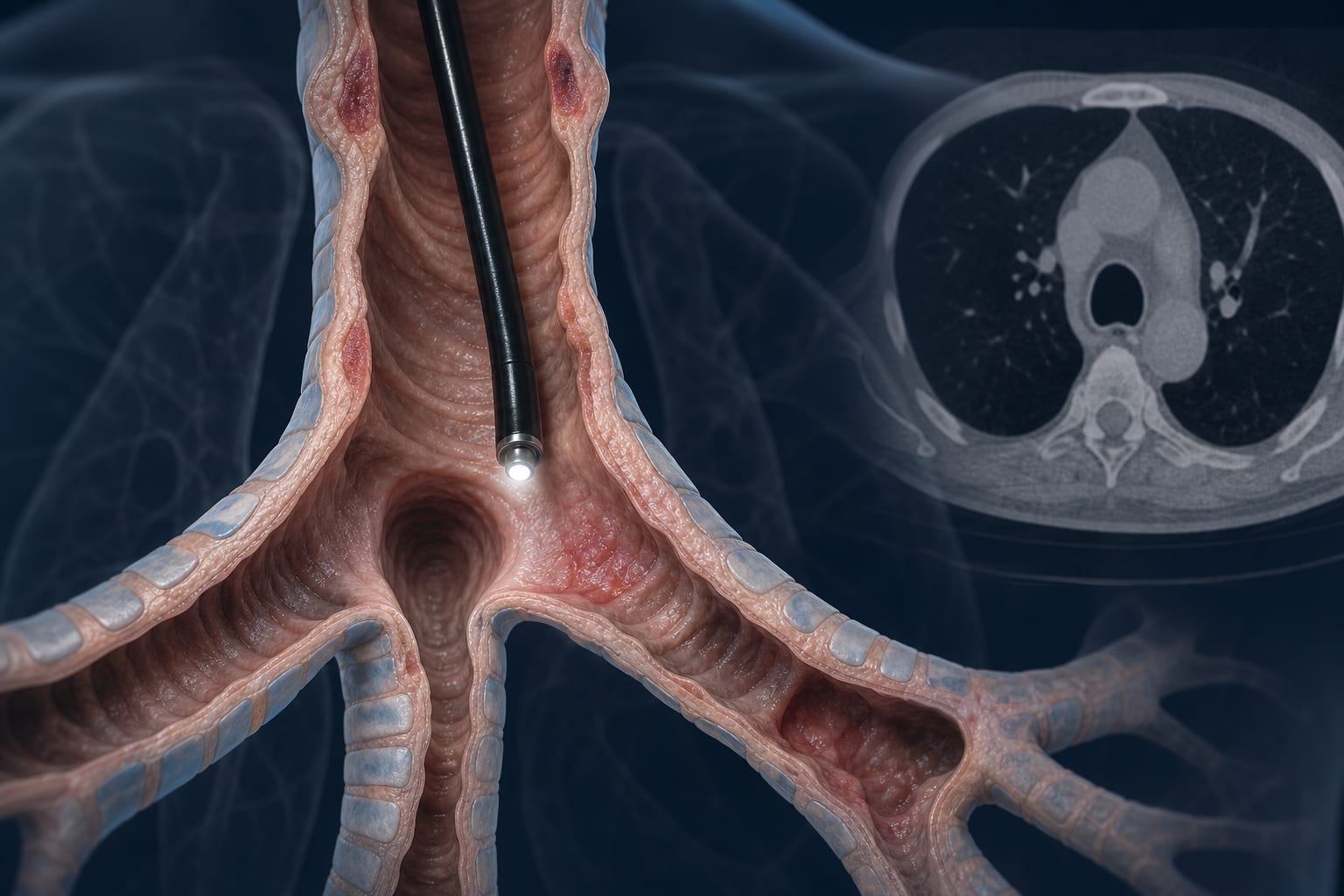
To propose an evaluation of retained clots in patients with intermediate-low risk pulmonary embolism and consider extending catheter-directed interventions to this group, clarifying the risk classification.
Key Findings:
Retained venous thrombi are associated with increased mortality following pulmonary embolism, highlighting the need for intervention.
Patients with retained clots have a higher risk of death at 30 and 90 days post-PE, indicating the urgency of addressing this issue.
The presence of retained venous clots is a significant predictor of mortality, even more so than elevated troponin in some cases, underscoring the importance of evaluating these patients.
Interpretation:
Retained venous clots may exacerbate right ventricular dysfunction, leading to an increased risk of fatal outcomes from recurrent embolic events due to compromised hemodynamics.
Limitations:
The proposal requires validation through prospective clinical trials that specifically assess the efficacy of catheter-directed interventions in this patient population.
Conclusion:
The authors suggest modifying current guidelines to include catheter-directed interventions for intermediate-low risk patients with retained venous thrombi, potentially improving patient outcomes.