To showcase contemporary progress in benign surgical practice, focusing on novel techniques, clinical outcomes, and educational innovations, particularly in surgical training.
Key Findings:
Sarcopenia negatively impacts recovery after antireflux surgery, suggesting routine screening.
Face mask ventilation improves preoxygenation during laparoscopic cholecystectomy.
Restrictive use of biliary stents in choledocholithiasis is recommended due to higher complication rates.
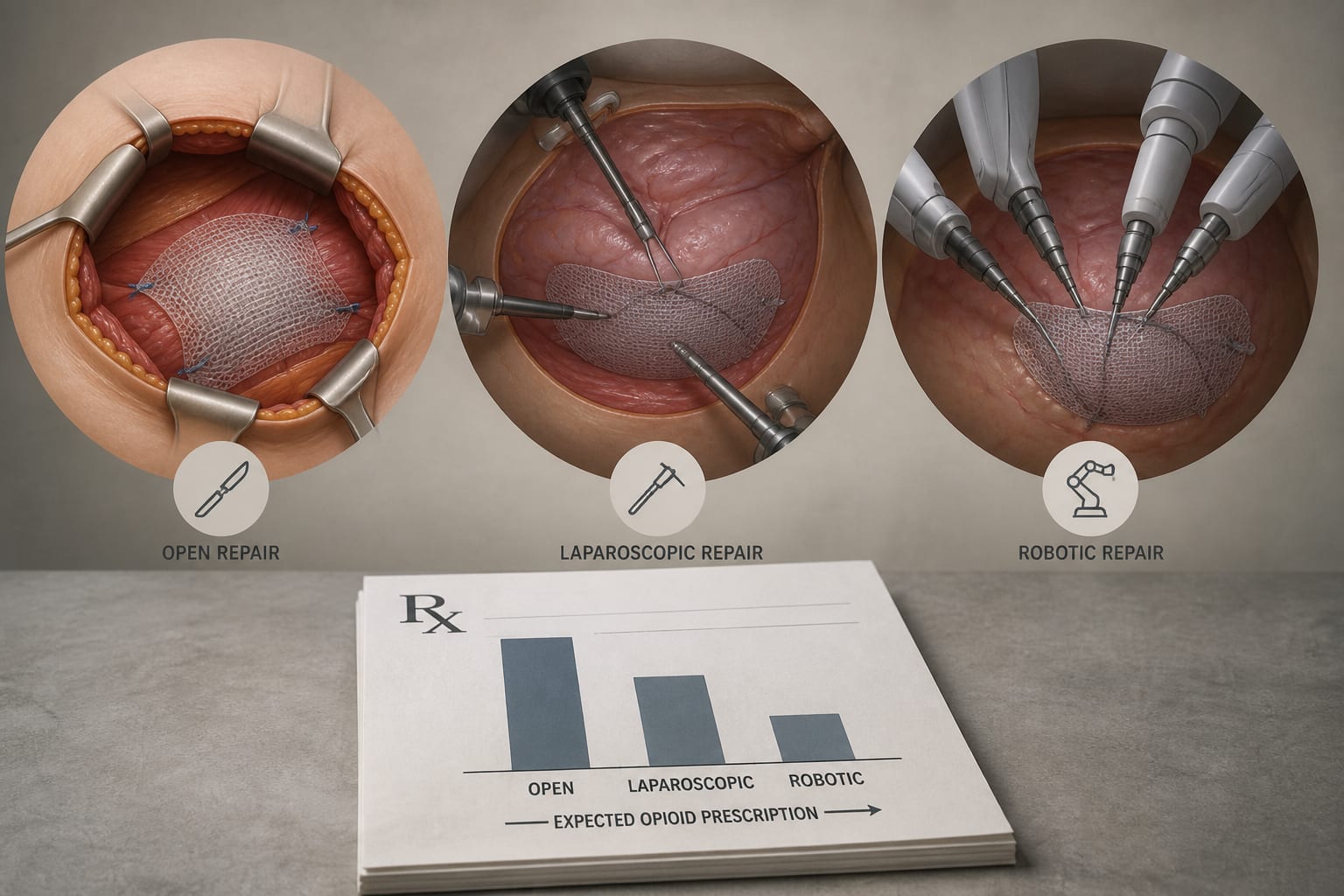
Individualized strategies for complex ventral hernias can enhance outcomes.
ERAS protocols improve recovery outcomes but face implementation barriers.
Interpretation:
The advancements in benign surgery highlight the importance of integrating new technologies and educational strategies, as evidenced by key findings, to improve patient outcomes and surgical training.
Limitations:
Suboptimal adherence to ERAS protocols due to various influencing factors, which may affect overall patient outcomes.
Variability in implementation and clinician perceptions may hinder progress, impacting the effectiveness of new techniques.
Conclusion:
Continued innovation in benign surgical techniques and training is essential for enhancing patient care and outcomes, particularly through the integration of educational strategies.