Integrative mechanisms and intervention targets of the microbiota–gut–brain axis in depressive disorders: advances across immune, endocrine, and central nervous system pathways - Summary - MDSpire
Advertisement
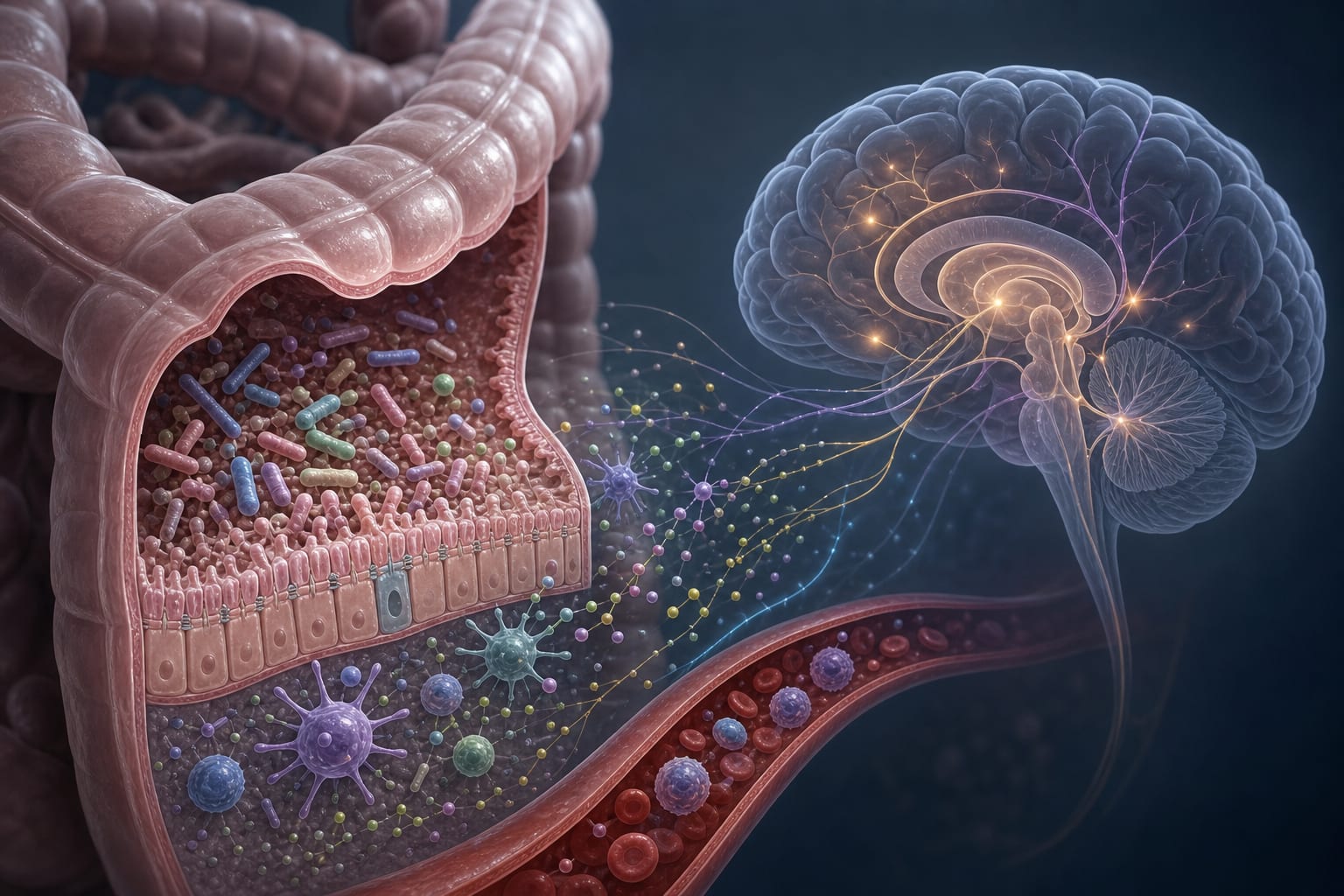
Integrative mechanisms and intervention targets of the microbiota–gut–brain axis in depressive disorders: advances across immune, endocrine, and central nervous system pathways
To synthesize research on the microbiota-gut-brain axis (MGBA) and depressive disorders, focusing on mechanistic integration and clinical translation, particularly the implications for treatment.
Key Findings:
Depressive disorders are heterogeneous and linked to gut microbial dysbiosis and metabolic pathway alterations, including specific taxa and metabolites.
Bidirectional communication between gut and brain may contribute to depressive disorder onset and progression through various biological mechanisms.
Current interventions show limited effect sizes and substantial heterogeneity among studies, indicating a need for more targeted approaches.
Interpretation:
MGBA research is evolving from descriptive profiling to functional integration, but challenges in causal inference and biomarker identification remain significant and require attention.
Limitations:
Many studies focus on descriptive differences in microbial composition without integrating other biological pathways, limiting their applicability.
Unclear correspondence between clinical subtypes of depressive disorders and microbial features necessitates further investigation.
Challenges in causal inference, multi-omics standardization, and control of confounding factors hinder progress in the field.
Conclusion:
Future studies should focus on phenotype-based stratification and precision intervention designs, detailing the characteristics of patients likely to benefit from microbiota-targeted therapies.