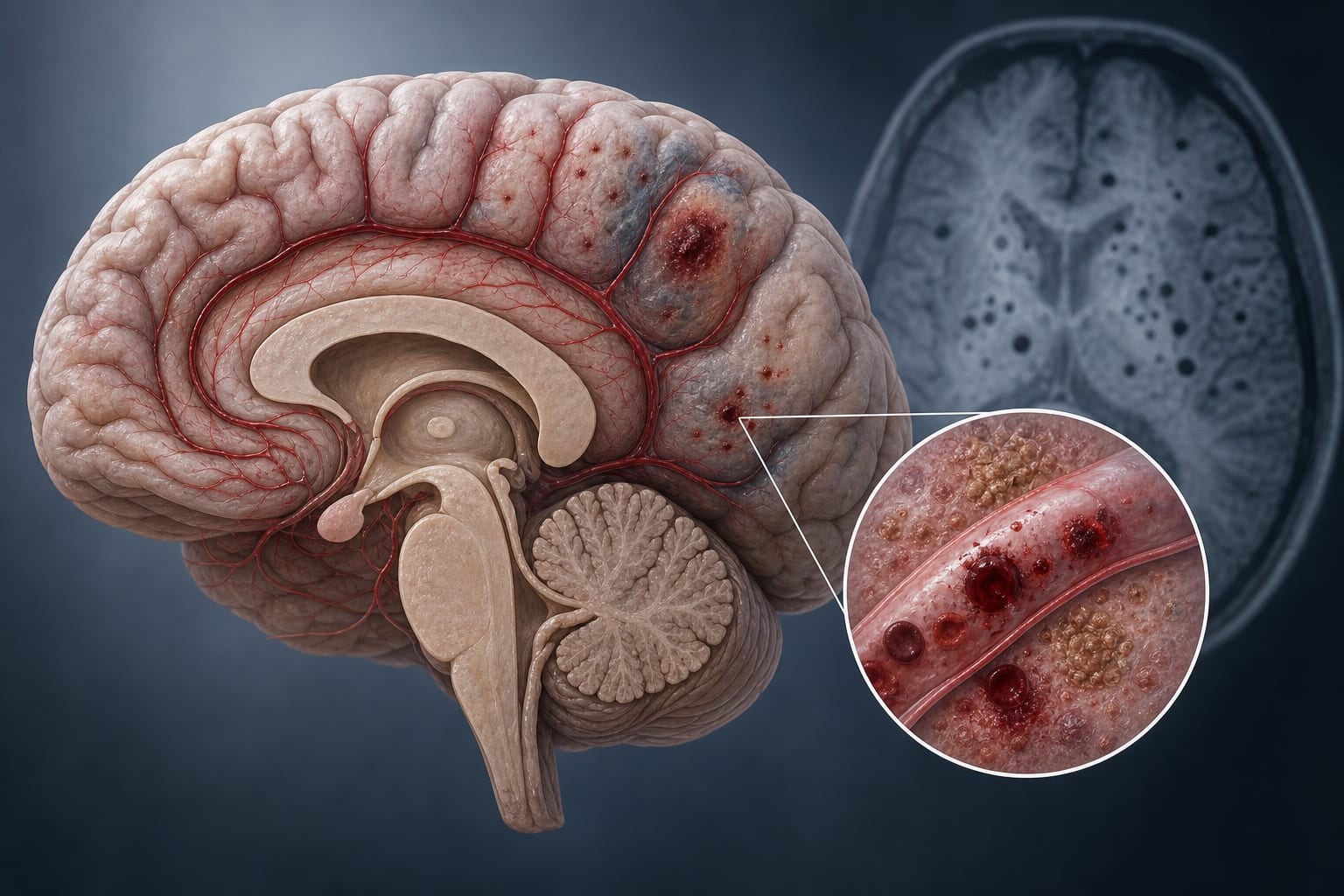
To systematically evaluate the predictive value of peripheral Galectin-3 levels in patients with cognitive impairment (CI) and assess the influence of vascular risk factors on Gal-3 expression, clarifying the term 'predictive value' as it relates to early detection.
Key Findings:
Peripheral Gal-3 levels were significantly higher in the CI group compared to controls (WMD: 0.85; 95%CI: 0.42–1.28; p < 0.0001).
Significant elevation of Gal-3 levels was observed in CI with vascular risk factors (WMD: 1.76; 95%CI: 0.10–3.43; p = 0.04).
Gal-3 levels were significantly higher in patients with mild cognitive impairment (MCI) (WMD: 0.72; 95%CI: 0.04–1.40; p = 0.04), but not in Alzheimer's disease (AD) (p = 0.11).
Interpretation:
Elevated Gal-3 levels are associated with cognitive impairment and may serve as a biomarker for early detection, particularly in cases with vascular risk factors and MCI, highlighting its potential clinical implications.
Limitations:
Substantial heterogeneity across studies (I2 = 98%), which may affect the reliability of the findings.
Insufficient evidence for the association of Gal-3 levels with Alzheimer's disease.
Conclusion:
Gal-3 may be a convenient and effective biomarker for early detection of cognitive impairment, but further large-scale studies are needed to strengthen this conclusion.