To summarize existing literature investigating the relationship between dry eye disease (DED) and refractive error specifically in schoolchildren.
Key Findings:
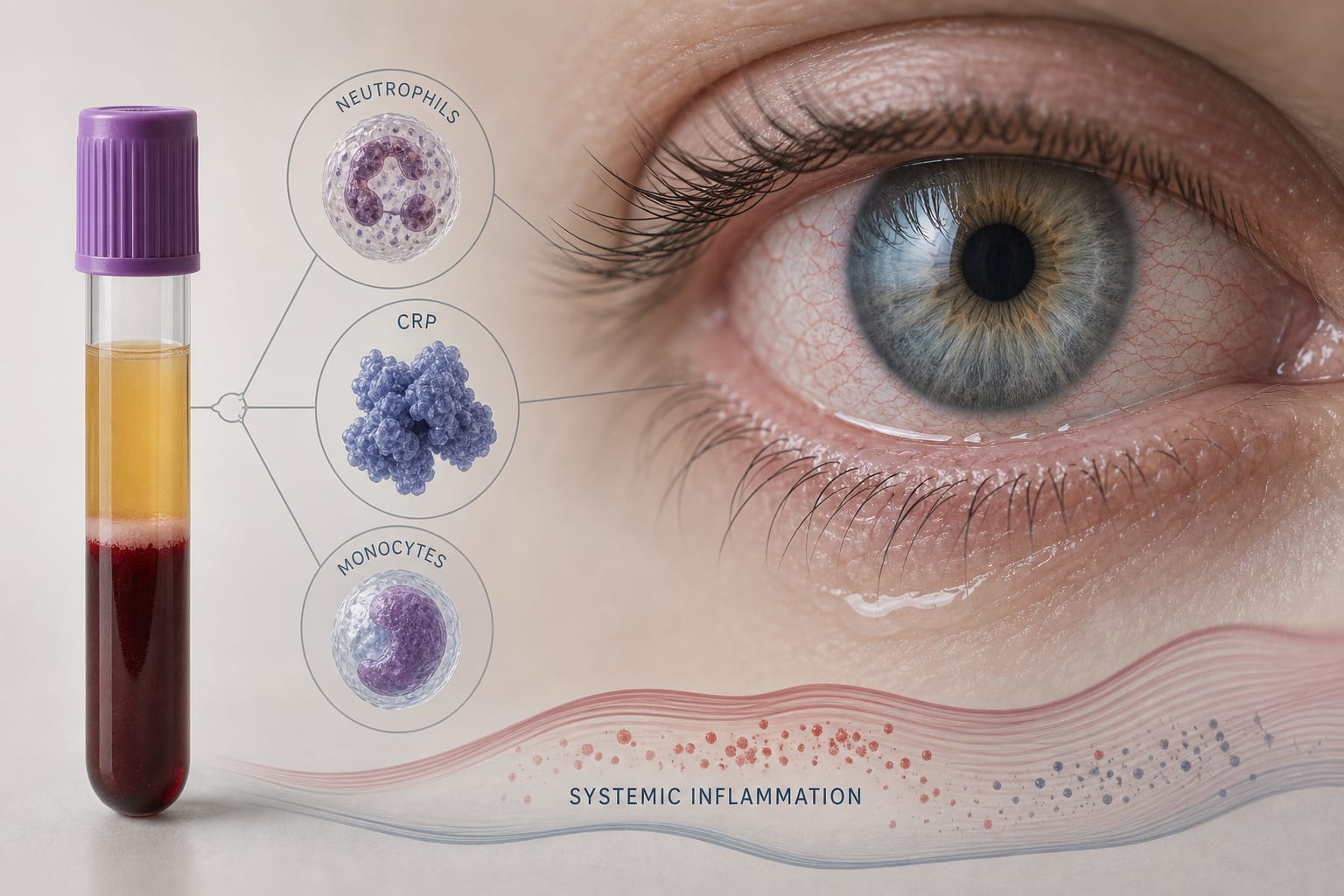
Myopic individuals, including schoolchildren, have a higher prevalence of DED compared to non-myopic individuals.
The prevalence of DED correlates positively with the severity of myopia in adolescents.
High myopia is a pronounced risk factor for DED, with prevalence rates up to 1.5–2 times higher than in non-myopic individuals.
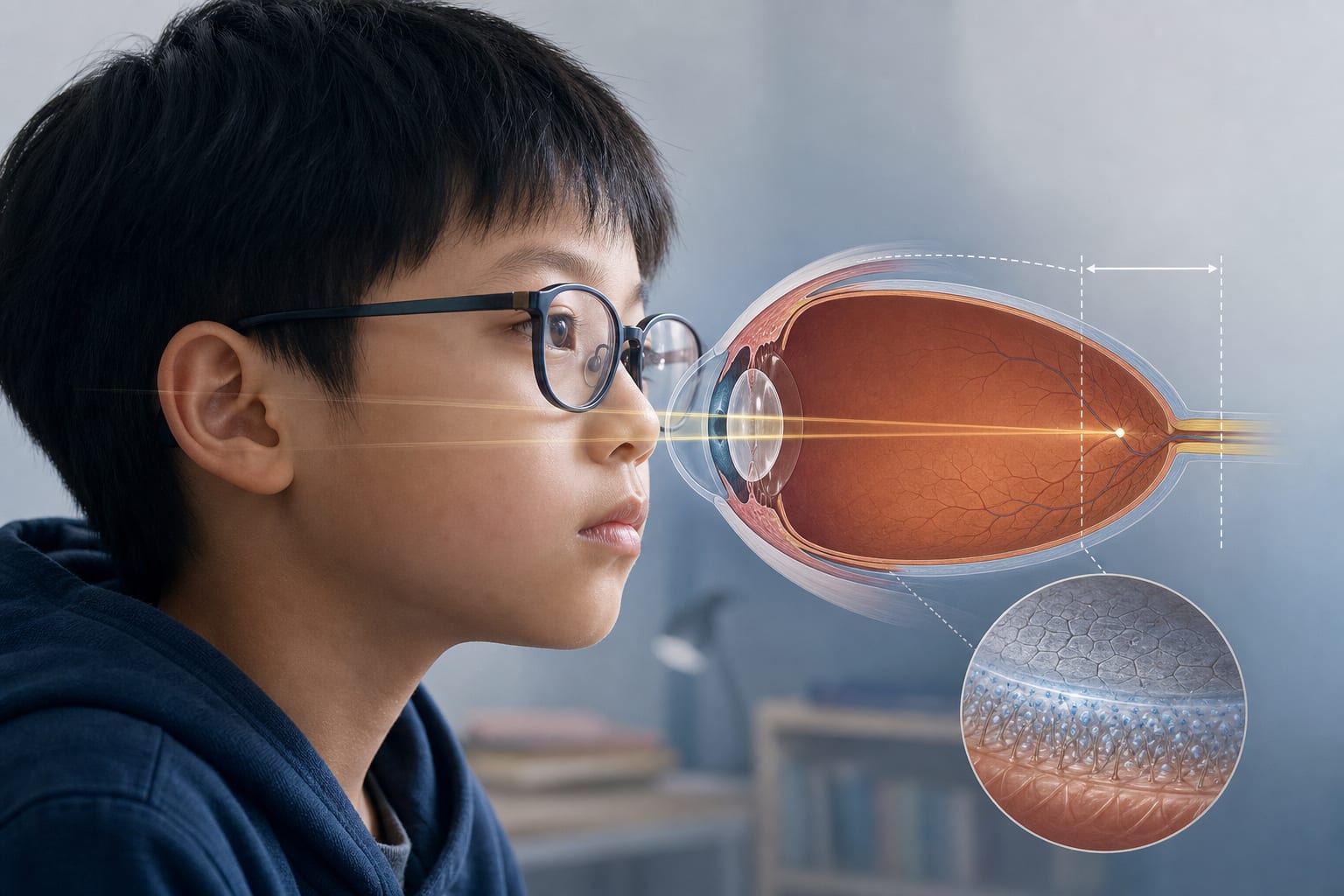
Multiple mechanisms linking myopia and DED include structural changes due to axial elongation, behavioral habits, parasympathetic nervous system dysregulation, and neurovascular coupling, with a noted complexity in adult findings.
Interpretation:
The association between myopia and DED is strongly supported by epidemiological evidence in adolescents, with axial elongation being a significant factor contributing to this relationship.
Limitations:
The review is narrative and does not include a statistical meta-analysis, which may limit the generalizability of findings.
Findings in adult populations are more complex and may not directly apply to children.
Conclusion:
Myopia, particularly high myopia, is positively associated with DED prevalence and severity in adolescents, highlighting the need for targeted interventions.