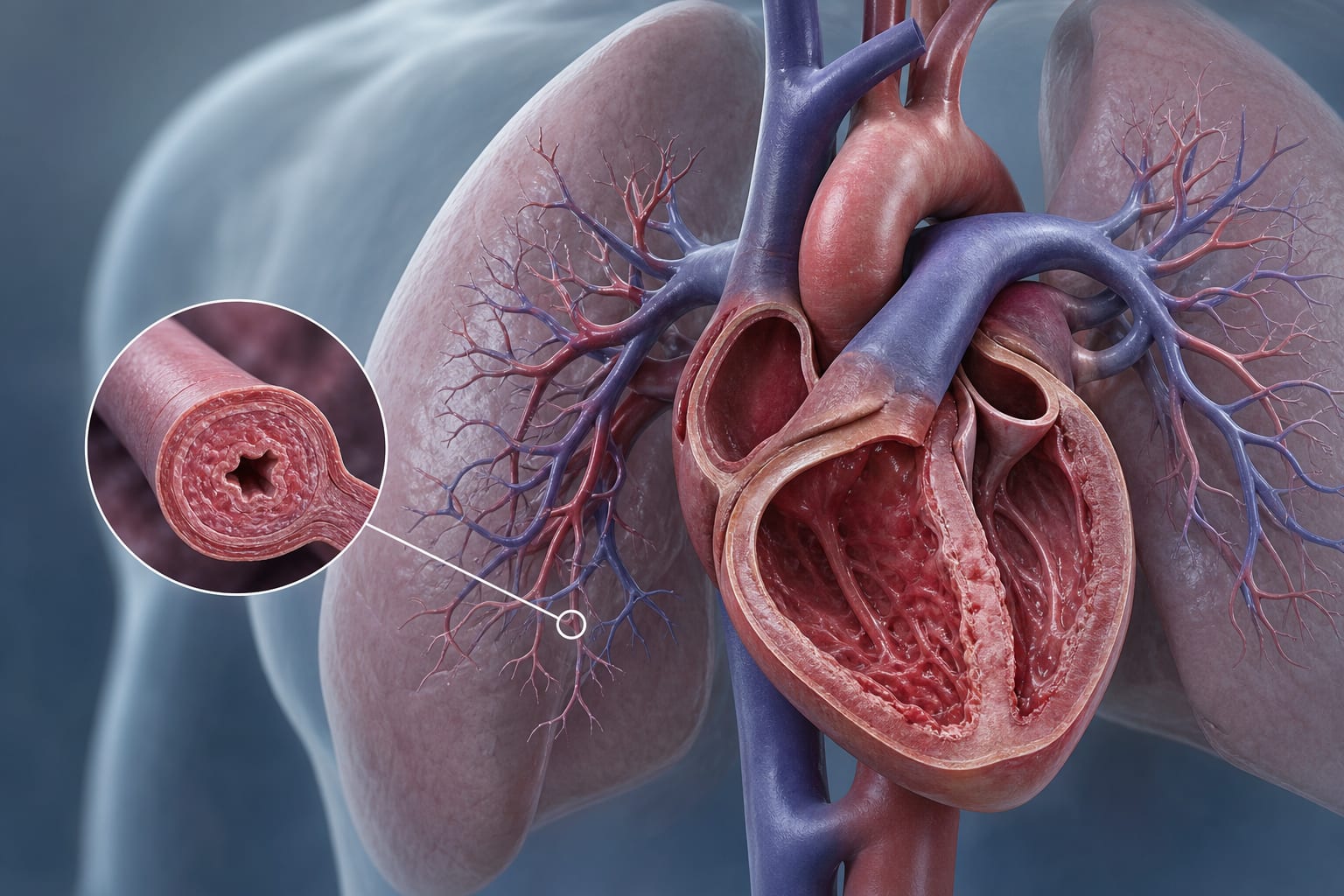
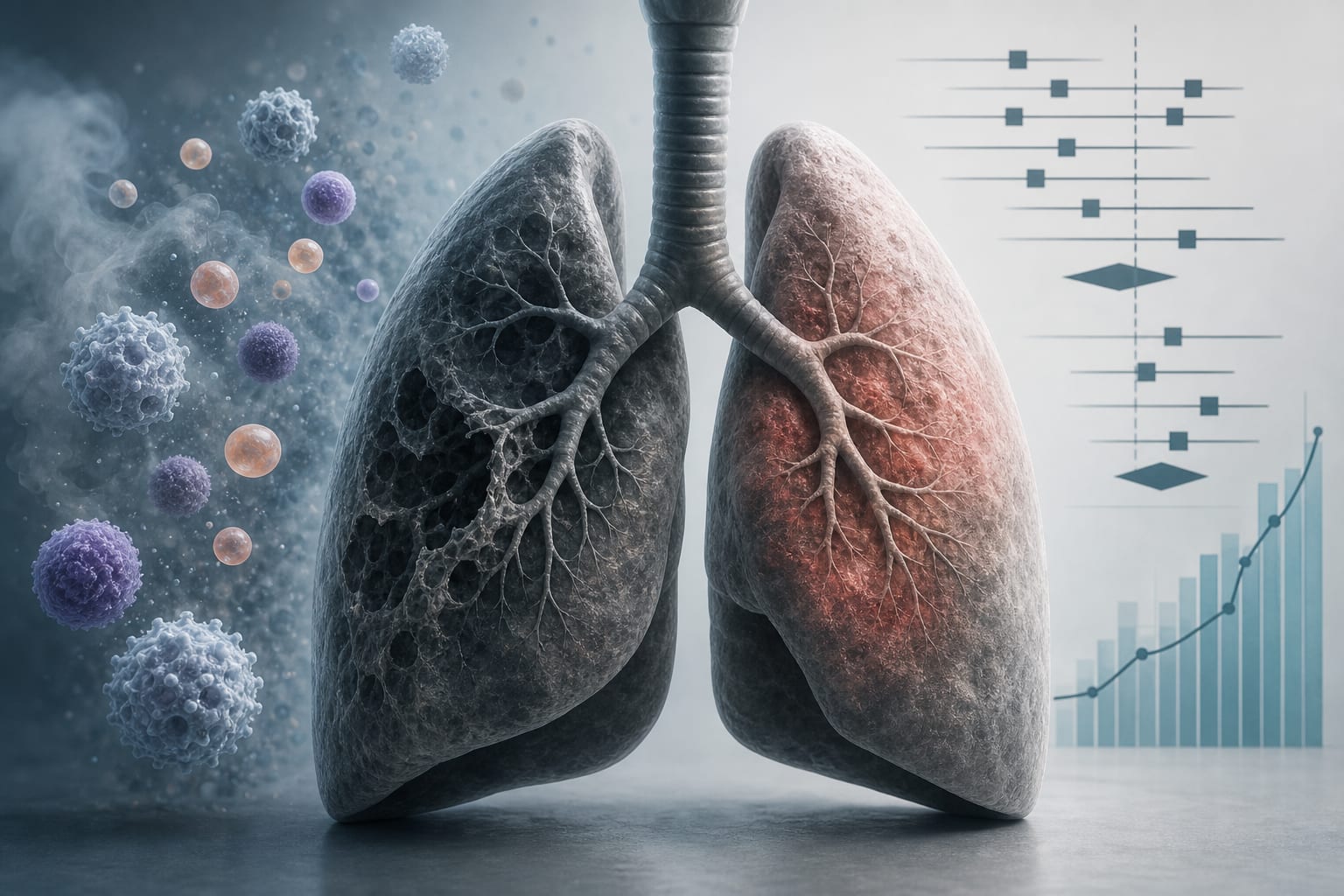
To explore the nature of pulmonary hypertension and the potential impact of GLP-1 medications on this condition.
Approach:
Definition of Pulmonary Hypertension: Pulmonary hypertension is characterized by elevated blood pressure in the blood vessels of the lungs, which can lead to serious health issues.
GLP-1 Medications: GLP-1 medications, initially developed for type 2 diabetes, may also aid in weight loss and improve cardiovascular health, potentially benefiting patients with pulmonary hypertension.
Expert Insights: Medical experts suggest that GLP-1s could help with inflammation and heart stress related to obesity, particularly in cases of pulmonary hypertension due to heart failure with preserved ejection fraction.
Key Findings:
Pulmonary hypertension affects approximately 1% of the global population, with varying causes and treatments.
Obesity exacerbates pulmonary hypertension, leading to more severe symptoms and complications.
Research on the relationship between GLP-1 medications and pulmonary hypertension is ongoing, with some studies indicating potential benefits, including a preprint study from Vanderbilt University that found an association between GLP-1 use and lower risk of pulmonary hypertension.
Interpretation:
Pulmonary hypertension is a complex condition with multiple underlying causes. While some studies suggest potential benefits of GLP-1 medications, further research is needed to establish their efficacy in treating this condition.
Limitations:
Current research on GLP-1 medications and pulmonary hypertension is not yet conclusive, with studies referenced being not peer-reviewed and requiring further validation.
Conclusion:
The relationship between obesity, pulmonary hypertension, and GLP-1 medications requires further investigation to clarify potential therapeutic benefits.