Age-Dependent Decline of GPR68 and Calretinin-Positive Neurons in the Mucosal Layer of the Human Colon, Excluding the Myenteric Plexus - Summary - MDSpire
Advertisement
Age-Dependent Decline of GPR68 and Calretinin-Positive Neurons in the Mucosal Layer of the Human Colon, Excluding the Myenteric Plexus
To examine the localization and density of GPR68 and calretinin-positive neurons in the ascending and descending human colon across different age groups (younger: ≤60 years, older: ≥67 years).
Approach:
Key Findings:
Total PGP9.5-IR enteric neuronal fibres density remained unchanged with age in both AC and DC.
Calretinin-IR neurons showed reduced density in the mucosa of older adults compared to younger adults in both AC and DC.
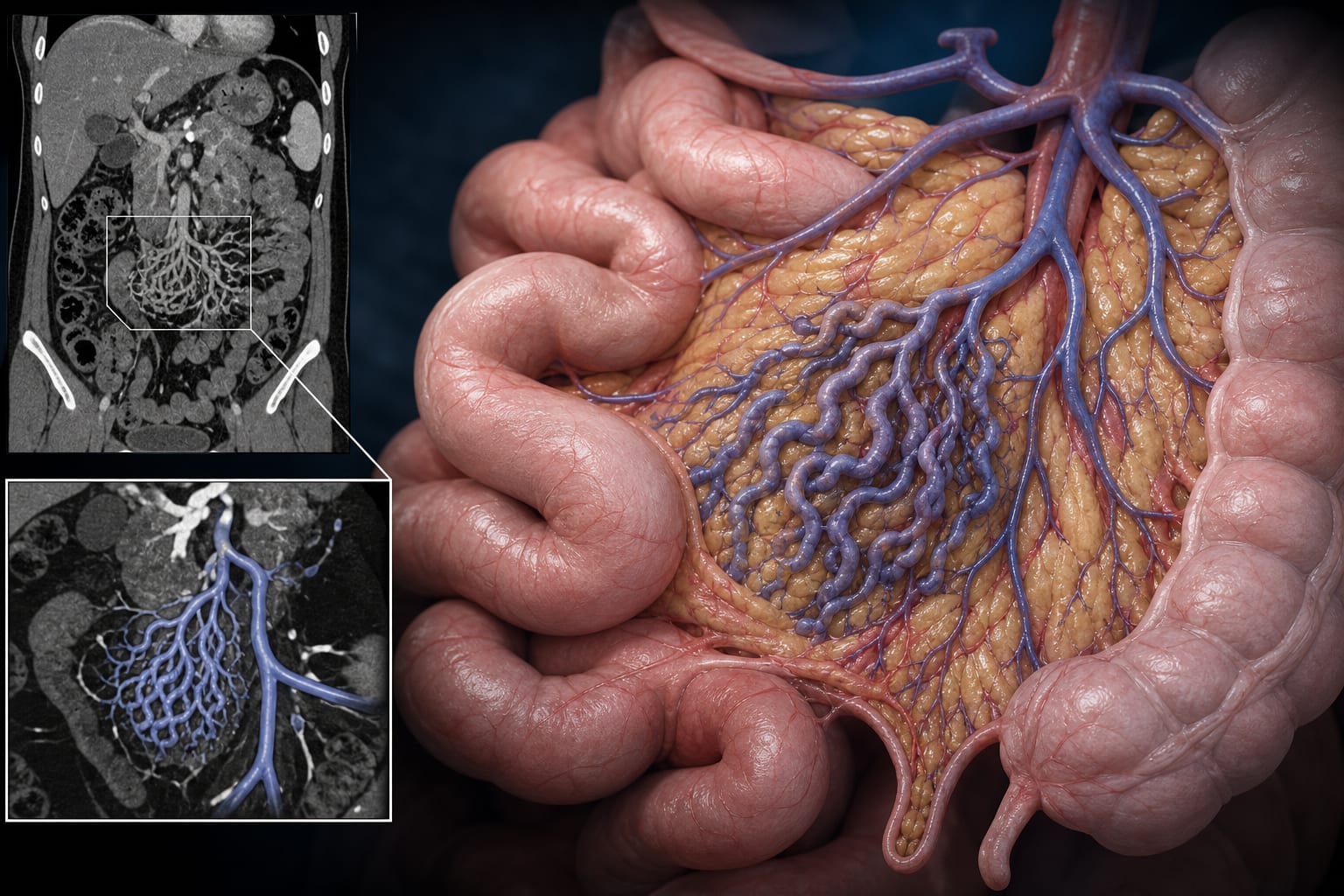
GPR68 was widely expressed in the mucosa, circular muscle, and myenteric plexus, with decreased density in the mucosa of older adults.
Interpretation:
The findings suggest that GPR68 and calretinin-IR neurons in the mucosa are selectively vulnerable to age-related decline, potentially impacting sensory and homeostatic functions in the colon, which may have clinical implications for managing age-related gastrointestinal disorders.
Limitations:
The study focused only on patients undergoing bowel cancer resection, which may not represent the general population.
The sample size and age group divisions may limit the generalizability of the findings.
Potential biases in patient selection may affect the results.
Conclusion:
GPR68 is widely distributed in the enteric nervous system of the human colon, and the concurrent loss of GPR68 and calretinin-IR neurons in older adults indicates a potential decline in mucosal sensory mechanisms with age.
The DiLumen Platform of products give advanced endoscopists an additional tool like no other. These devices enhance the ability to perform more efficiently during colonic procedures.