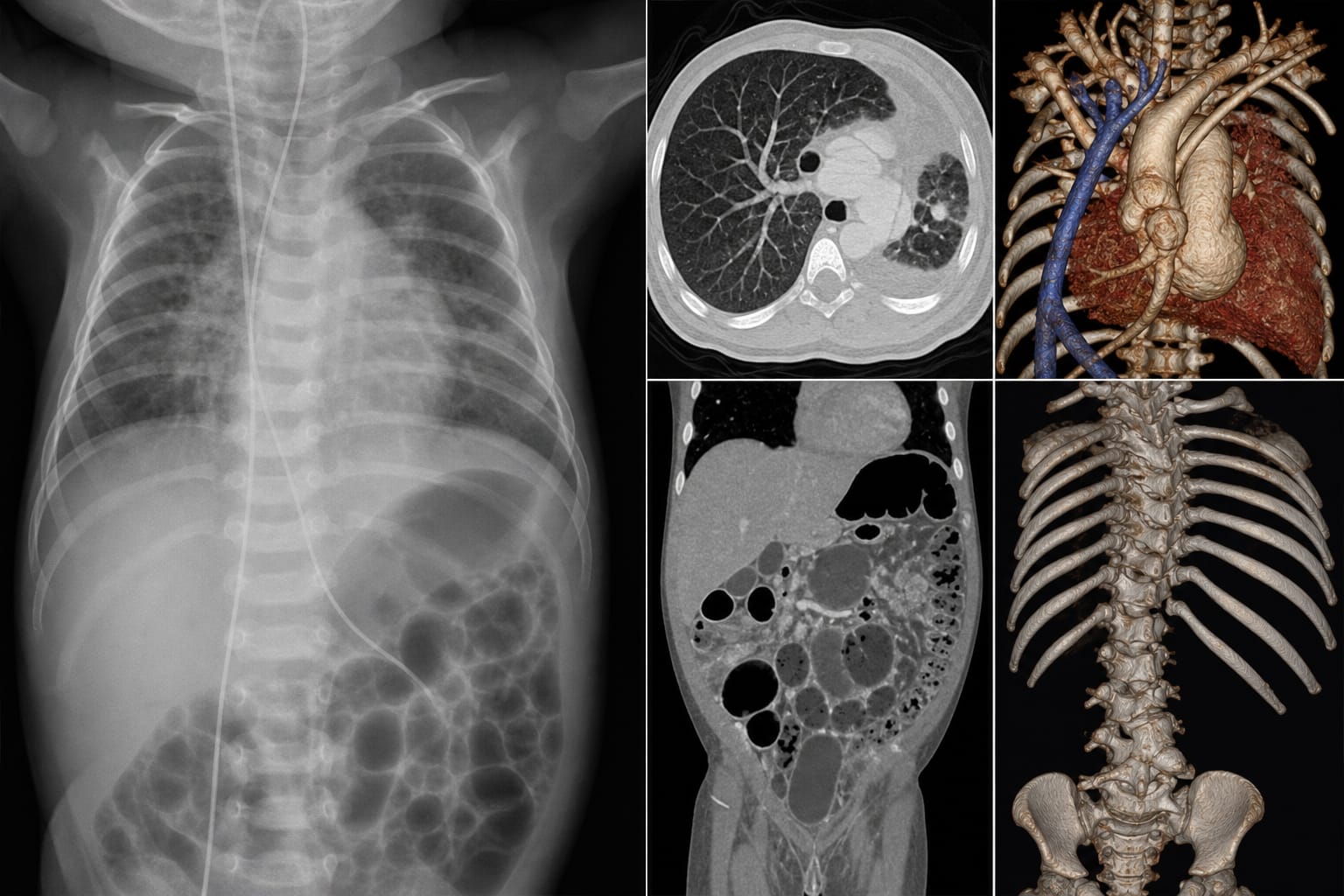
To summarize current evidence on the hemodynamic mechanisms underlying bronchopulmonary dysplasia (BPD), emphasizing pulmonary vascular disease, BPD-associated pulmonary hypertension, phenotype-based classification, and implications for precision management.
Approach:
Method: A
Method: n
Method: a
Method: r
Method: r
Method: a
Method: t
Method: i
Method: v
Method: e
Method: r
Method: e
Method: v
Method: i
Method: e
Method: w
Method: o
Method: f
Method: e
Method: x
Method: p
Method: e
Method: r
Method: i
Method: m
Method: e
Method: n
Method: t
Method: a
Method: l
Method: ,
Method: t
Method: r
Method: a
Method: n
Method: s
Method: l
Method: a
Method: t
Method: i
Method: o
Method: n
Method: a
Method: l
Method: ,
Method: a
Method: n
Method: d
Method: c
Method: l
Method: i
Method: n
Method: i
Method: c
Method: a
Method: l
Method: s
Method: t
Method: u
Method: d
Method: i
Method: e
Method: s
Method: w
Method: a
Method: s
Method: p
Method: e
Method: r
Method: f
Method: o
Method: r
Method: m
Method: e
Method: d
Method: ,
Method: f
Method: o
Method: c
Method: u
Method: s
Method: i
Method: n
Method: g
Method: o
Method: n
Method: p
Method: u
Method: l
Method: m
Method: o
Method: n
Method: a
Method: r
Method: y
Method: v
Method: a
Method: s
Method: c
Method: u
Method: l
Method: a
Method: r
Method: d
Method: e
Method: v
Method: e
Method: l
Method: o
Method: p
Method: m
Method: e
Method: n
Method: t
Method: ,
Method: t
Method: r
Method: a
Method: n
Method: s
Method: i
Method: t
Method: i
Method: o
Method: n
Method: a
Method: l
Method: h
Method: e
Method: m
Method: o
Method: d
Method: y
Method: n
Method: a
Method: m
Method: i
Method: c
Method: s
Method: ,
Method: p
Method: a
Method: t
Method: e
Method: n
Method: t
Method: d
Method: u
Method: c
Method: t
Method: u
Method: s
Method: a
Method: r
Method: t
Method: e
Method: r
Method: i
Method: o
Method: s
Method: u
Method: s
Method: ,
Method: v
Method: e
Method: n
Method: t
Method: r
Method: i
Method: c
Method: u
Method: l
Method: a
Method: r
Method: f
Method: u
Method: n
Method: c
Method: t
Method: i
Method: o
Method: n
Method: ,
Method: t
Method: a
Method: r
Method: g
Method: e
Method: t
Method: e
Method: d
Method: n
Method: e
Method: o
Method: n
Method: a
Method: t
Method: a
Method: l
Method: e
Method: c
Method: h
Method: o
Method: c
Method: a
Method: r
Method: d
Method: i
Method: o
Method: g
Method: r
Method: a
Method: p
Method: h
Method: y
Method: ,
Method: a
Method: n
Method: d
Method: b
Method: i
Method: o
Method: m
Method: a
Method: r
Method: k
Method: e
Method: r
Method: -
Method: b
Method: a
Method: s
Method: e
Method: d
Method: r
Method: i
Method: s
Method: k
Method: s
Method: t
Method: r
Method: a
Method: t
Method: i
Method: f
Method: i
Method: c
Method: a
Method: t
Method: i
Method: o
Method: n
Method: i
Method: n
Method: p
Method: r
Method: e
Method: t
Method: e
Method: r
Method: m
Method: i
Method: n
Method: f
Method: a
Method: n
Method: t
Method: s
Method: .
Key Findings:
Abnormal pulmonary vascular growth begins early during the transitional circulatory period and is exacerbated by hyperoxia, mechanical ventilation, inflammation, placental dysfunction, and altered pulmonary blood flow.
Prolonged exposure to significant left-to-right shunts, particularly patent ductus arteriosus, contributes to pulmonary overcirculation, edema, and vascular remodeling.
Elevated pulmonary vascular resistance leads to right ventricular pressure overload, while left ventricular diastolic dysfunction and pulmonary venous congestion worsen pulmonary edema and gas exchange.
Early hemodynamic assessment using targeted neonatal echocardiography and biomarkers like NT-proBNP can detect subclinical pulmonary vascular disease and ventricular dysfunction.
BPD is recognized as a heterogeneous cardiopulmonary syndrome where disturbed hemodynamics and impaired cardiopulmonary coupling are central to disease progression.
Limitations:
The review is based on available literature, which may not encompass all recent findings.
Potential biases in selected studies and the narrative review format may limit comprehensive analysis.
Conclusion:
Early hemodynamic phenotyping may enhance risk stratification and support precision-guided interventions.