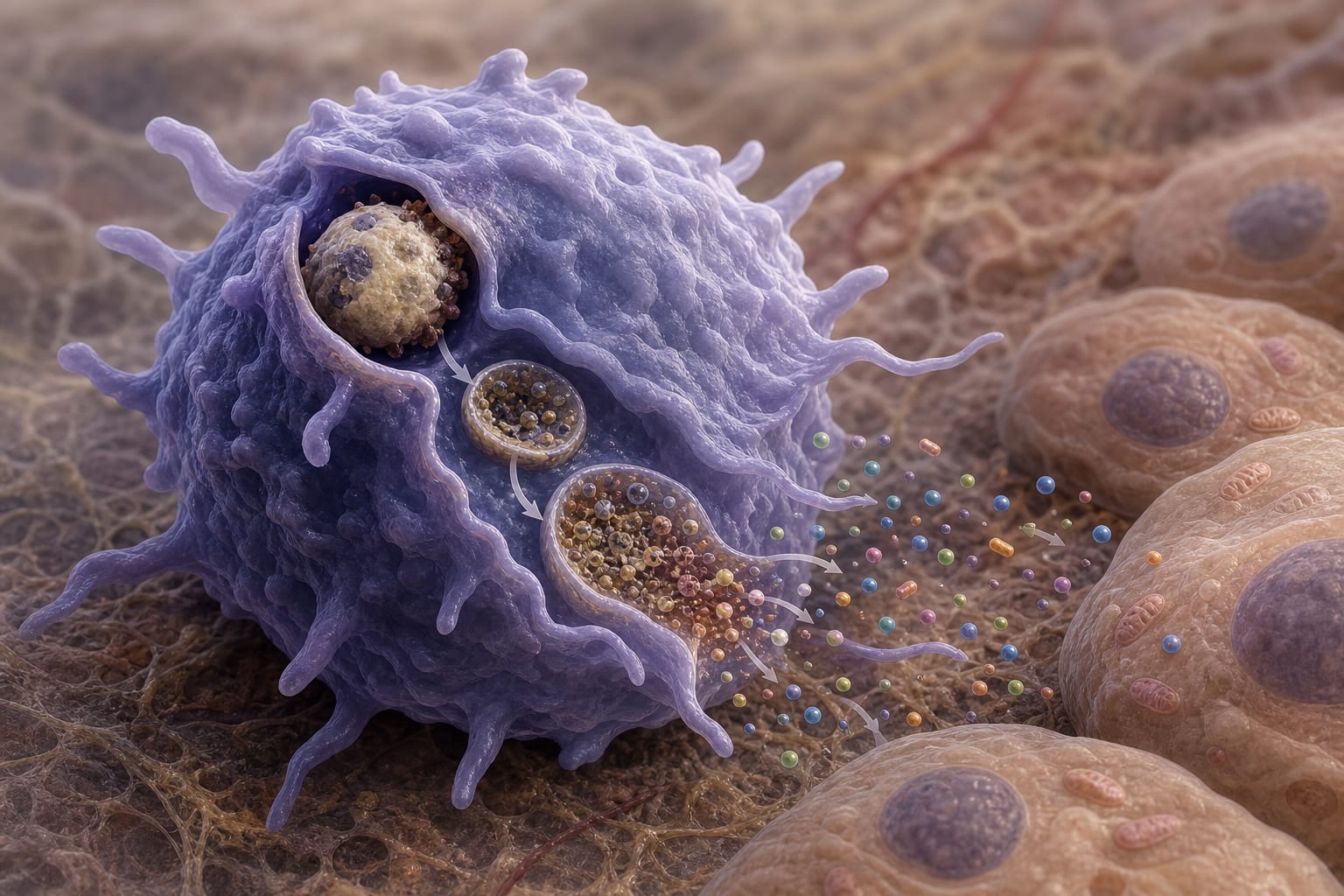
To discuss the implications of sTREM-1 as a biomarker in septic shock and its challenges in clinical application.
Approach:
Biomarker Predictive Performance: sTREM-1 is a predictor of 90-day mortality and major adverse kidney events (MAKE) in ICU patients, comparable to complex machine learning models.
Cutoff Value Controversy: There is no harmonized cutoff value for sTREM-1, with proposed thresholds varying significantly across studies, complicating clinical implementation.
Translational Challenges: Conflicting trial data regarding TREM-1 inhibition complicates the use of sTREM-1 as a companion diagnostic.
Static vs. Dynamic Measurements: Current practices rely on static single-point measurements of sTREM-1, which may not reflect the dynamic nature of critical illness.
Generalizability Issues: The generalizability of sTREM-1 across diverse ICU populations is questioned, as elevations are not uniform across all infections or organ failures.
Key Findings:
sTREM-1 predicts mortality and MAKE but lacks standardized cutoff values.
Discrepancies in proposed thresholds pose challenges for risk assignment in clinical practice.
Conflicting trial data raises questions about the role of sTREM-1 in identifying patients for TREM-1 targeted therapies.
Static measurements of sTREM-1 may not adequately capture the evolving nature of immune dysregulation in critical illness.
sTREM-1 elevations vary across different ICU populations, suggesting a need for multimodal assessment.
Interpretation:
The findings highlight the need for harmonized assays, prospective trials, and integration of both static and dynamic biomarker assessments in critical care.
Limitations:
Lack of standardized cutoff values for sTREM-1 hampers clinical application.
Conflicting data regarding the efficacy of TREM-1 inhibition complicates its use as a diagnostic tool.
Static measurements may not reflect the dynamic changes in patient condition.
Conclusion:
sTREM-1 is a significant biomarker in septic shock, but its clinical utility is hindered by variability in measurement and interpretation.