Tavapadon as Adjunctive Treatment for Parkinson Disease: The TEMPO-3 Randomized Clinical Trial - Summary - MDSpire

Tavapadon as Adjunctive Treatment for Parkinson Disease: The TEMPO-3 Randomized Clinical Trial

  • By

  • Hubert H. Fernandez

  • Stuart H. Isaacson

  • Robert A. Hauser

  • Pinky Agarwal

  • William Ondo

  • Ariane Park

  • Daniel Kremens

  • Matthew Leoni

  • Sridhar Duvvuri

  • Cari Combs

  • Erica Koenig

  • Ih Chang

  • Gina Pastino

  • Stacey Tringali

  • Nicole Golonski

  • Raymond Sanchez

  • Linda Harmer

  • Joey Boiser

  • Cindy Zadikoff

  • Zoltan Mari

  • May 1, 2026

  • 0 min

Share

Objective:

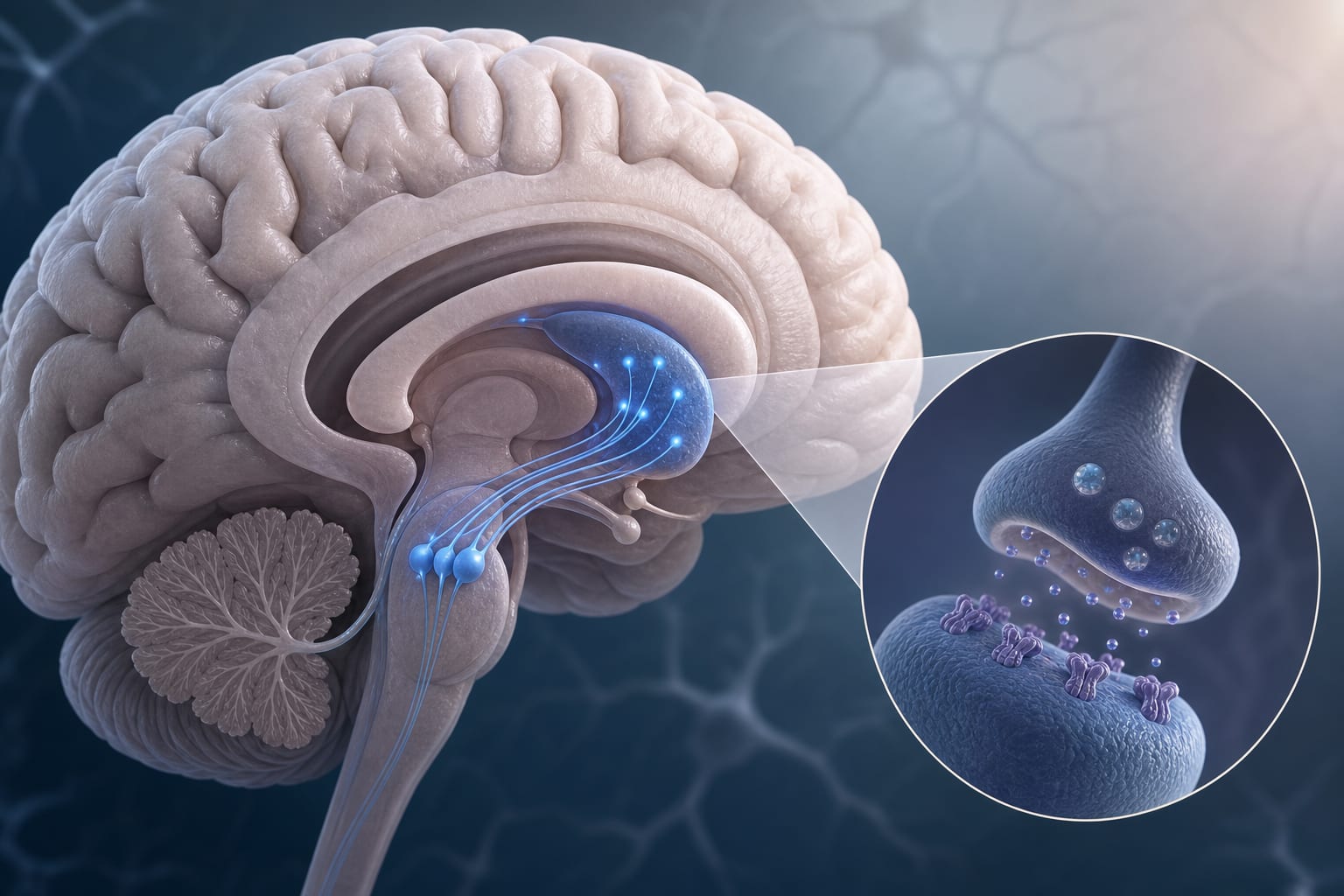
To evaluate the efficacy, safety, and tolerability of flexible-dose tavapadon as an adjunctive therapy for Parkinson's Disease in levodopa-treated adults experiencing off-time fluctuations, which significantly impact patient quality of life.

Key Findings:
  • Tavapadon improved motor control and increased on-time without troublesome dyskinesia compared to placebo, with a statistically significant difference.
  • The treatment was well tolerated with a safety profile comparable to existing therapies, with no new safety concerns identified.
  • Adverse events were monitored, with a focus on impulse control disorders and other potential side effects, which were consistent with previous findings.
Interpretation:

Tavapadon represents a promising adjunctive therapy for managing motor fluctuations in Parkinson's Disease, potentially offering benefits over traditional D2/D3 receptor agonists, particularly in terms of safety profile.

Limitations:
  • The study duration was limited to 27 weeks, which may not capture long-term effects, necessitating further research.
  • The trial's exclusion criteria may limit generalizability to broader PD populations, particularly those with comorbidities.
Conclusion:

Tavapadon shows potential as a complementary therapy for Parkinson's Disease, warranting further investigation in longer-term studies to confirm its efficacy and safety.

Original Source(s)

Related Content