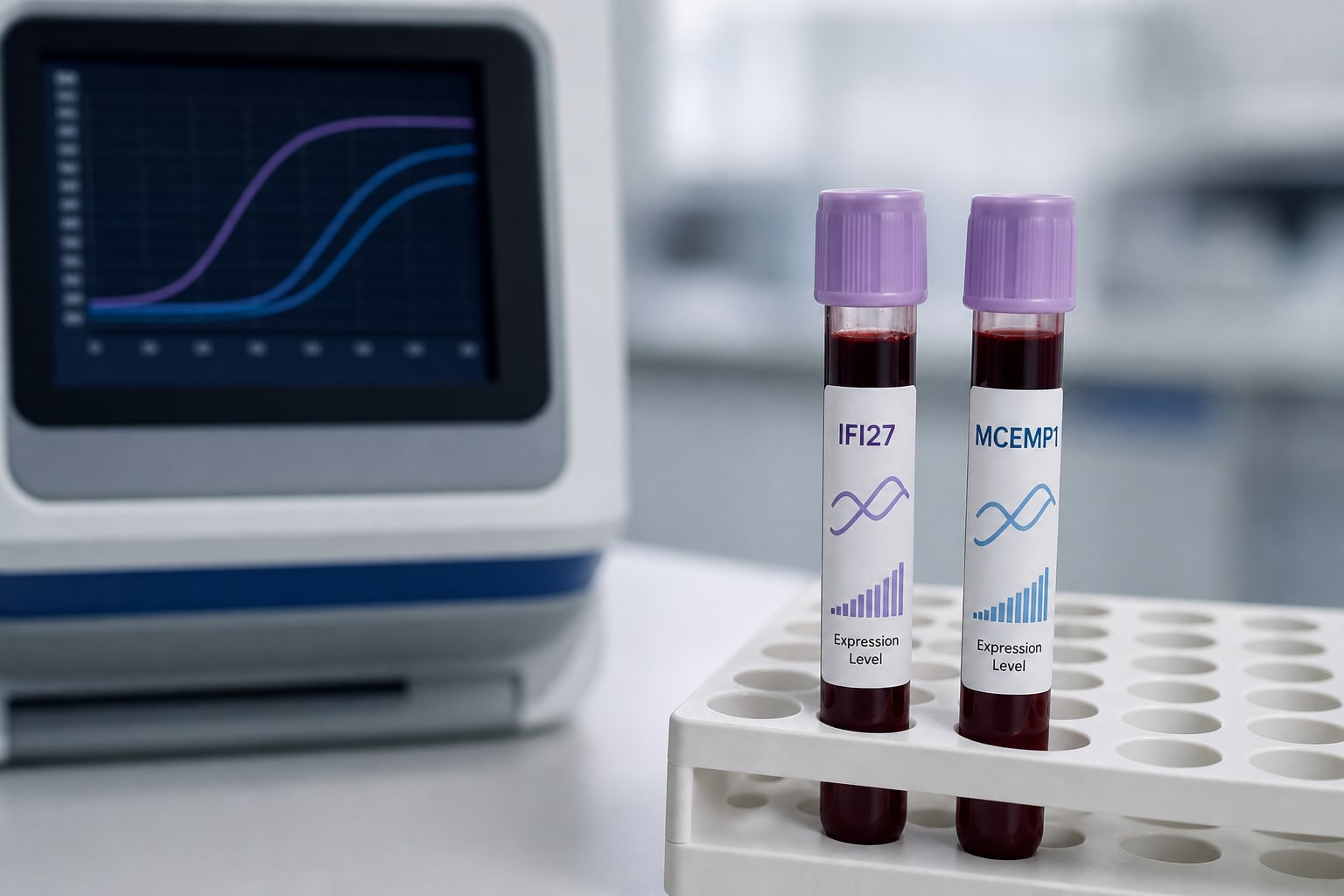
To refine the SCORE2 and SCORE2-OP models specifically for accurately predicting 10-year fatal and non-fatal cardiovascular disease (CVD) risk in cancer patients.
Key Findings:
SCORE2 initially underestimated CVD risk in cancer patients (E/O ratios: 0.91 for men, 0.63 for women), indicating a need for model adaptation.
C-statistics for SCORE2 improved after recalibration (0.693 overall, 0.730 excluding early deaths), suggesting enhanced predictive capability.
SCORE2-OP showed lower C-statistics (0.586 overall, 0.648 after excluding early deaths), highlighting its limitations in this cohort.
16% of patients experienced a CVD event during an average follow-up of 8.8 years, underscoring the importance of effective risk assessment.
Interpretation:
SCORE2 can be adapted for better CVD risk prediction in cancer patients, aiding in targeted prevention strategies and improving patient outcomes.
Limitations:
Further validation needed in specific cancer subgroups, such as breast and prostate cancer patients.
Models may not account for all cancer-related risk factors, which could affect their accuracy.
Conclusion:
Recalibrated SCORE2 may serve as a valuable tool for CVD risk stratification in cancer patients, enhancing care and prevention efforts.
by Mari Nordbø Gynnild, Joris Holtrop, Steven H J Hageman, Victoria Vinje, Jannick A N Dorresteijn, Frank L J Visseren, Espen Holte, Håvard Dalen, Torgeir Wethal, Torbjørn Omland