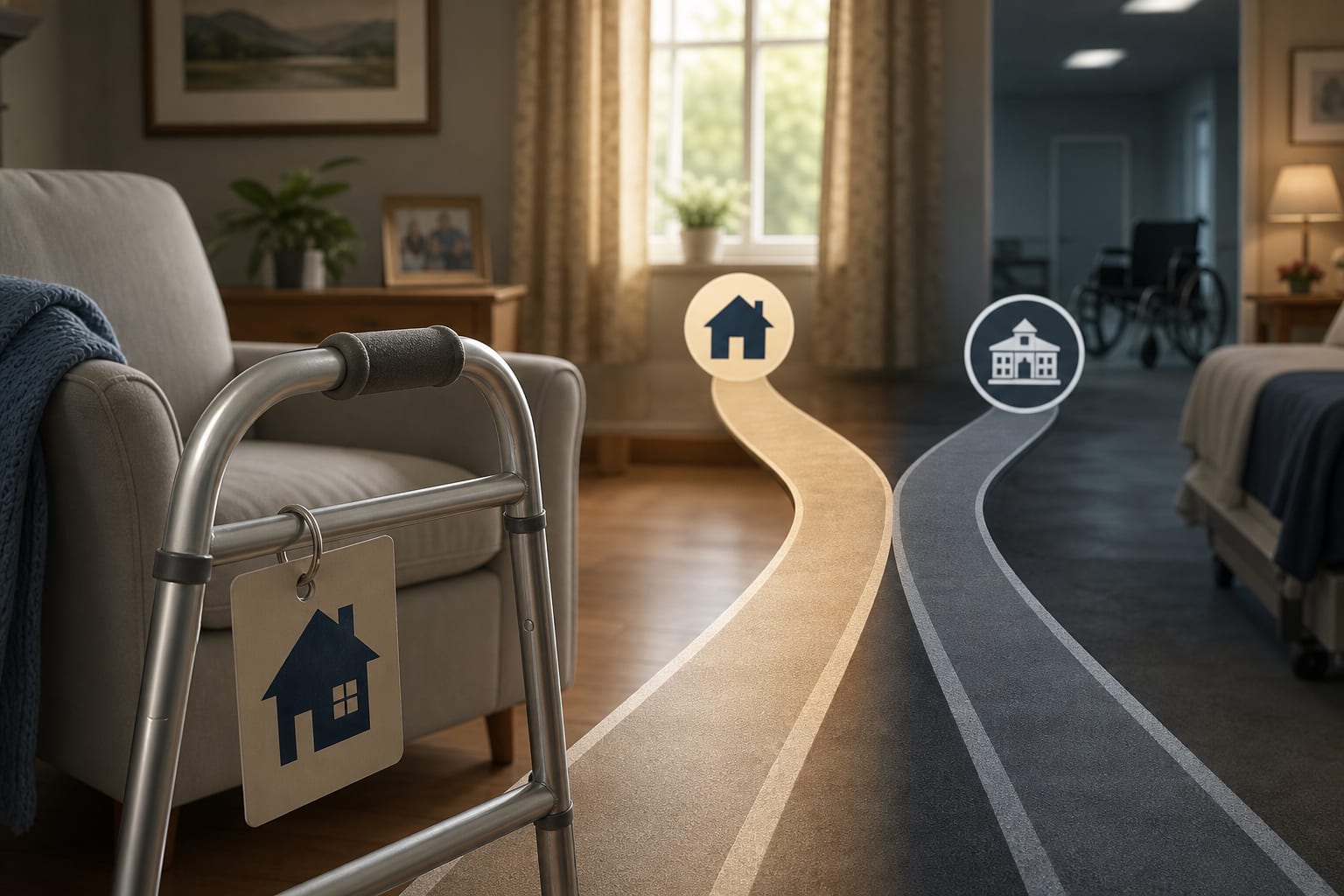
To compare days at home and survival after hip fracture among older adults with and without dementia, emphasizing the identification of risk factors associated with spending fewer days at home.
Key Findings:
Hip fractures are more frequent in individuals with dementia, leading to higher mortality and functional decline, which necessitates targeted interventions.
Days at home is a critical outcome for assessing post-fracture recovery, influencing care strategies.
Prior studies have largely excluded Medicare Advantage beneficiaries and focused less on individuals with dementia, highlighting a gap in research.
Interpretation:
Understanding days at home post-fracture is essential for care planning and resource allocation, particularly for patients with dementia, as it directly impacts their quality of life.
Limitations:
The study excluded individuals not residing at home prior to fracture, which may limit generalizability.
Emergency department visits and observation stays were not measured due to incomplete data for Medicare Advantage beneficiaries, potentially introducing bias.
Conclusion:
The study aims to inform postfracture prognostic discussions and health system policies regarding hip fractures in older adults, emphasizing the need for further research to enhance patient outcomes.