To summarize advancements in cardiovascular clinical trials and strategies addressing residual cardiovascular risks using precision medicine.
Approach:
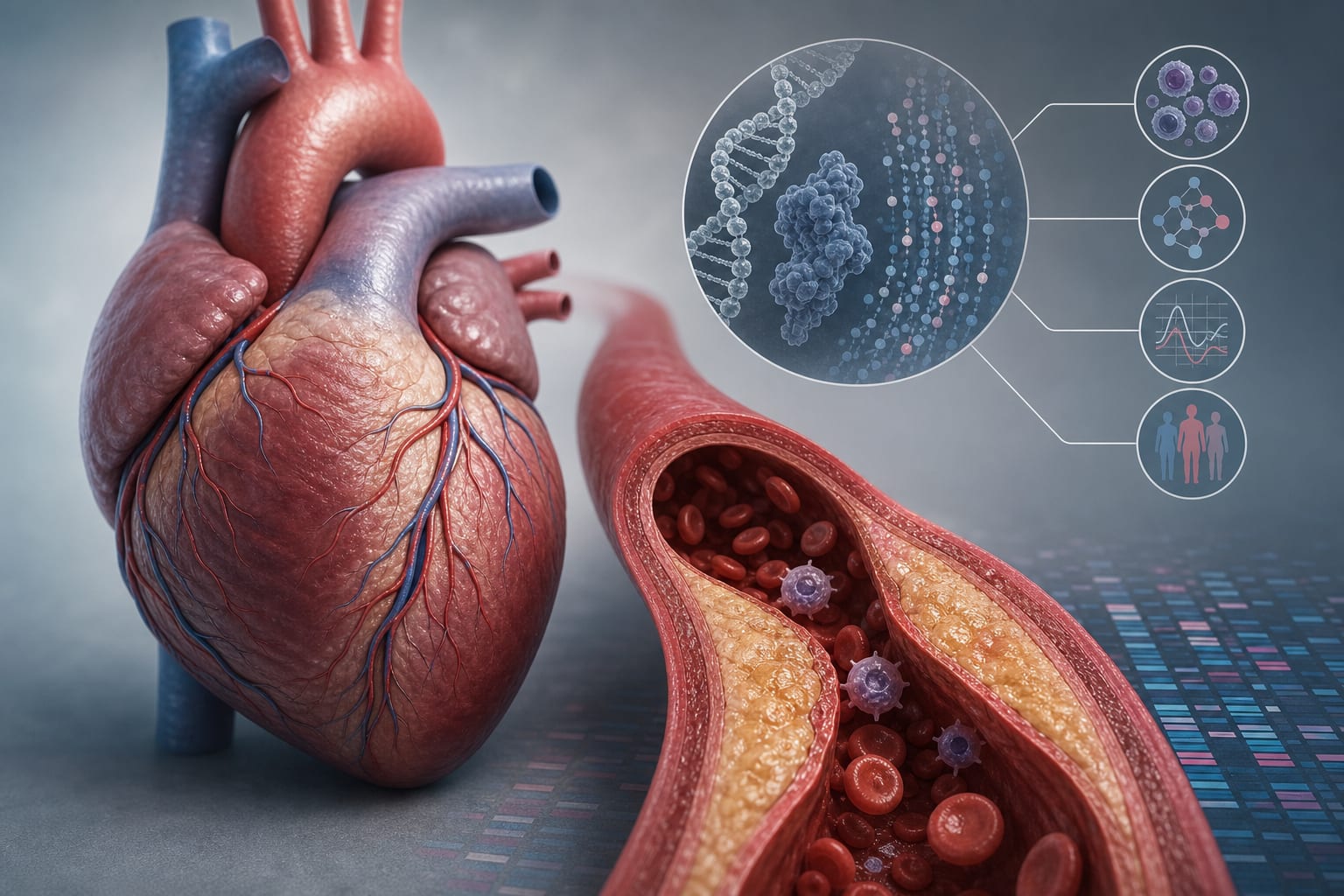
Overview of Cardiovascular Disease: Cardiovascular disease is the leading cause of morbidity and mortality worldwide, with coronary heart disease (CHD) being the most burdensome despite advances in treatment. Major risk factors for CHD include age, sex, family history, hypercholesterolemia, hypertension, diabetes, obesity, and lifestyle. Pathologically, metabolism disorder and dysregulated renin-angiotensinaldosterone system and autonomous nervous system contribute to the development of CHD.
Key Findings:
Inflammation plays a critical role in all stages of CHD pathogenesis, including atherosclerosis, unstable angina, myocardial infarction, cardiac remodeling, and heart failure.
New treatments targeting inflammation and residual risk, such as anti-inflammatory modalities and diabetes medications, are being developed.
Precision medicine approaches, including multi-omics and biomarker-guided risk stratification, are enhancing treatment personalization.
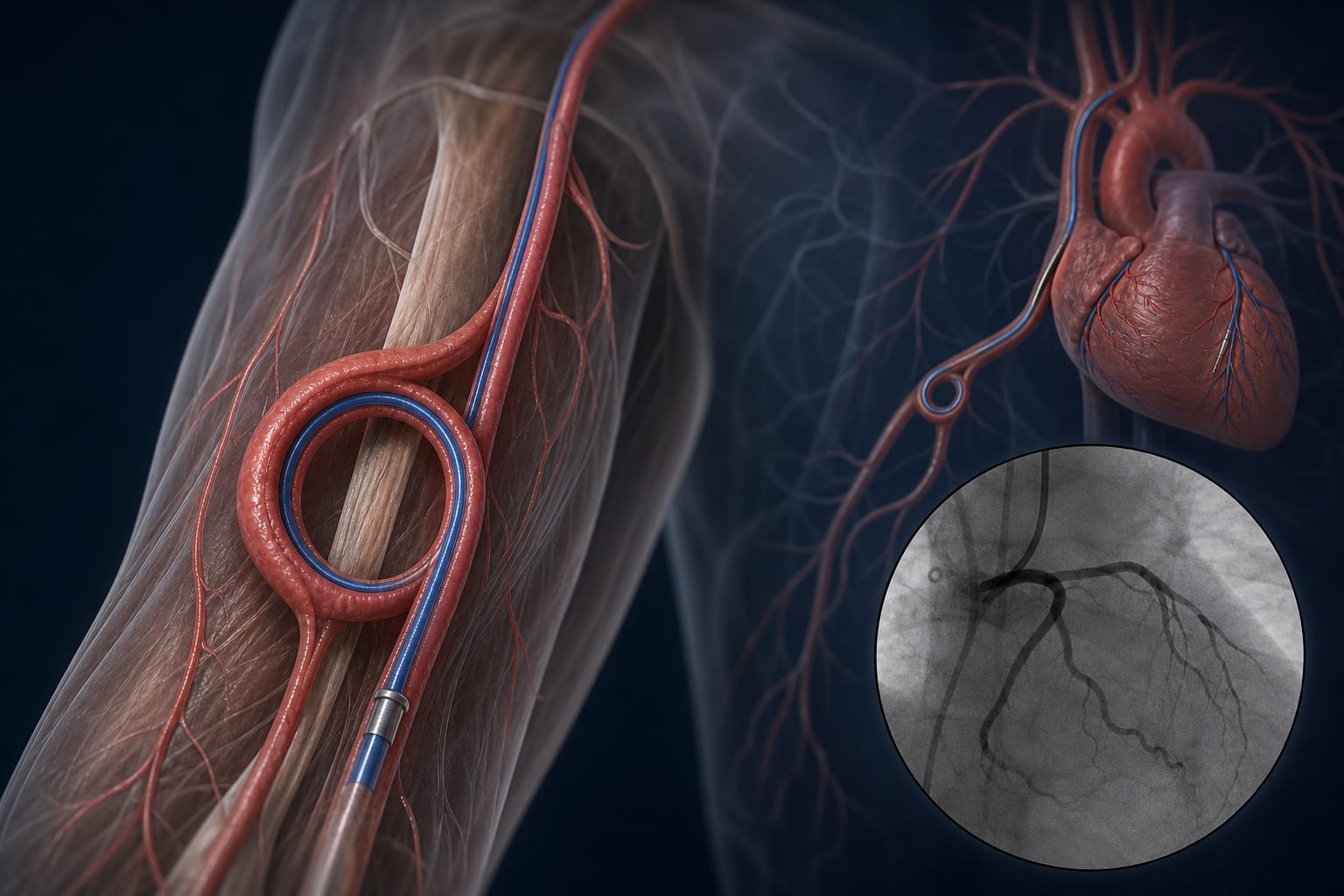
Emerging trials are exploring novel therapies and interventions for cardiovascular conditions, including the MACT II and SCRATCH-HTN trials.
Interpretation:
The advancements in cardiovascular clinical trials highlight innovative strategies to address residual risks and improve patient outcomes through precision medicine.
Limitations:
The article does not provide specific data or outcomes from the discussed trials.
Potential biases in trial designs and patient selection are not addressed.
Conclusion:
Contemporary cardiovascular clinical studies are focusing on residual risks and integrating various therapeutic approaches to improve long-term management of cardiovascular diseases.
In a pooled analysis of two randomized crossover trials, reducing nightly sleep by about 1.5 hours for 6 weeks was associated with modest increases in body weight and waist circumference without measurable changes in body composition.