Intraoperative radiotherapy after resection of newly diagnosed brain metastases in adult patients - results of a prospective phase II trial (INTRAMET) - Summary - MDSpire
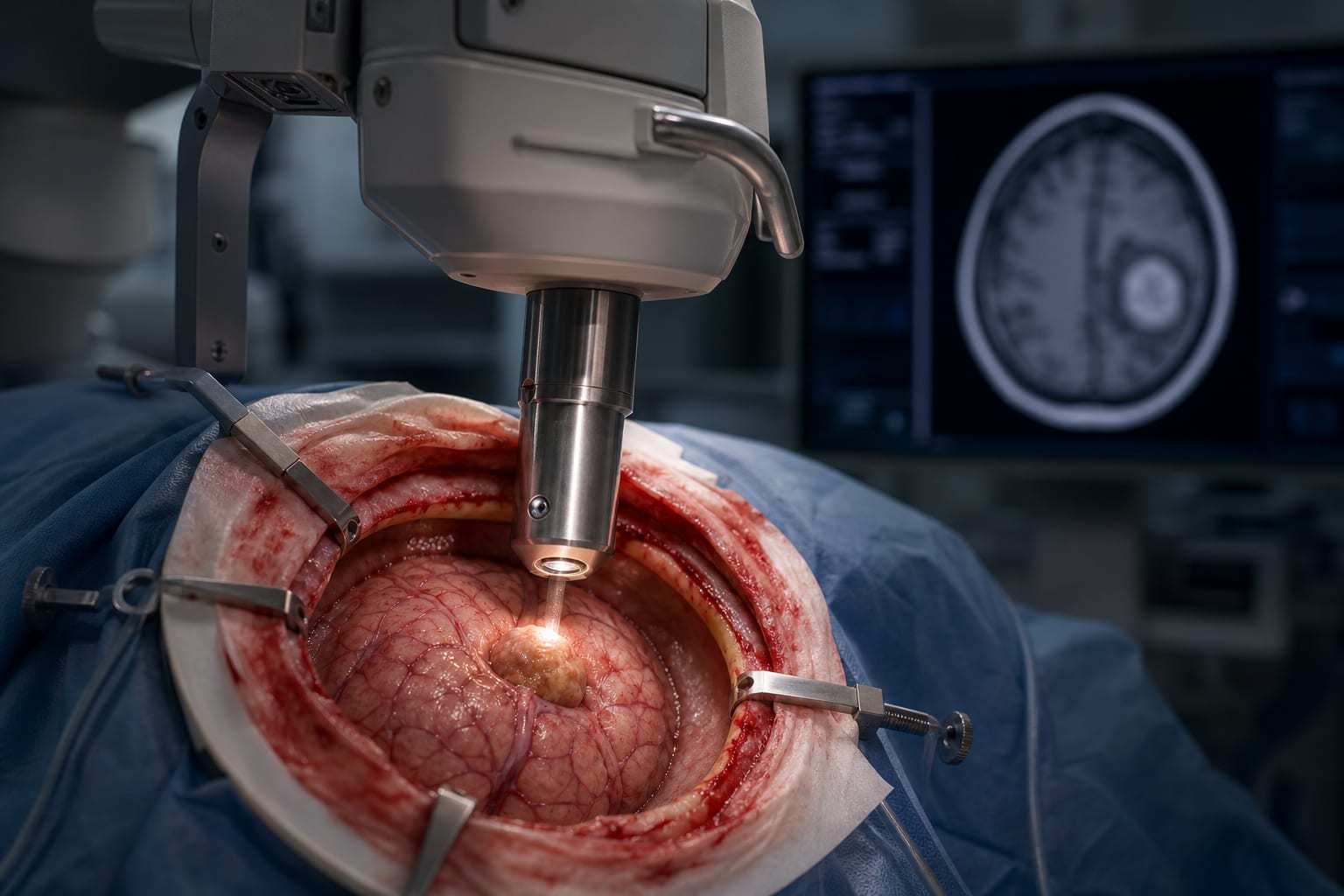
To evaluate the efficacy and safety of kilovoltage intraoperative radiotherapy (IORT) as adjuvant treatment following resection of brain metastases (BM), focusing on primary outcomes such as local control rate and overall survival.
Key Findings:
The primary endpoint was local control rate (LCR), defined as the absence of in-cavity or marginal contrast-enhancing lesions suggestive of recurrence, with specific results to be included.
Interpretation:
The study aimed to provide insights into the potential benefits of IORT in managing brain metastases post-surgery, particularly in improving local control and survival rates.
Limitations:
The study was limited to a single-arm design without a control group, and the sample size was relatively small, with only 50 patients planned for enrollment, which may introduce biases.
Conclusion:
The results of the INTRAMET trial will contribute to understanding the role of IORT in the treatment of brain metastases, highlighting its potential impact on clinical practice.
by Stefanie Brehmer, Gustavo R. Sarria, Sara Würfel, Ardita Sulejmani, Frank Schneider, Sven Clausen, Yasser Abo-Madyan, Arne M. Ruder, Elena Sperk, Nima Etminan, Frank A. Giordano