Gut microbiota in chronic kidney disease-mineral and bone disorder: shared mechanisms, disease-specific signatures, and therapeutic prospects - Summary - MDSpire
Advertisement
Gut microbiota in chronic kidney disease-mineral and bone disorder: shared mechanisms, disease-specific signatures, and therapeutic prospects
To summarize the mechanisms by which gut microbiota influences CKD-MBD, specifically focusing on inflammation, mineral metabolism, and bone health, and explore potential microbiota-targeted therapeutic strategies.
Key Findings:
Gut microbiota dysbiosis contributes to chronic low-grade inflammation and exacerbates CKD-MBD, suggesting a need for targeted interventions.
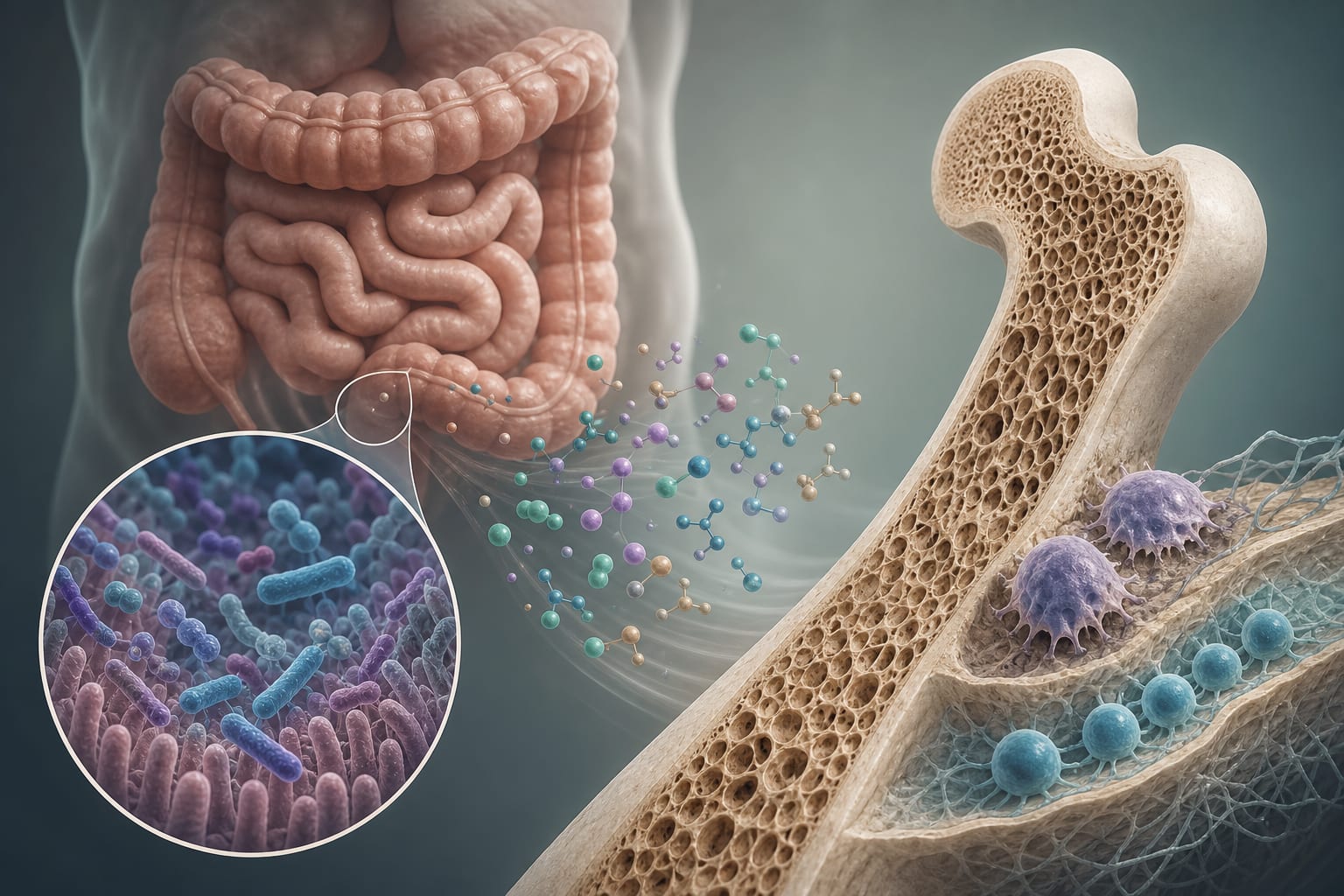
The gut-kidney-bone axis facilitates crosstalk among the gut, kidneys, and bones, impacting mineral metabolism and bone health, which could be leveraged for therapeutic strategies.
Interventions targeting gut microbiota show potential in regulating the gut-kidney-bone axis and improving bone health, indicating a promising area for future research.
Interpretation:
Dysbiosis of gut microbiota is a significant factor in the pathogenesis of CKD-MBD, highlighting the urgent need for microbiome-focused therapeutic approaches that could transform patient care.
Limitations:
The review may not cover all relevant studies due to the vastness of the literature, particularly in emerging research areas.
Potential biases in the selection of studies and data interpretation, such as publication bias or language restrictions.
Conclusion:
Understanding the role of gut microbiota in CKD-MBD opens new avenues for treatment strategies targeting the microbiome, which could significantly improve patient outcomes.