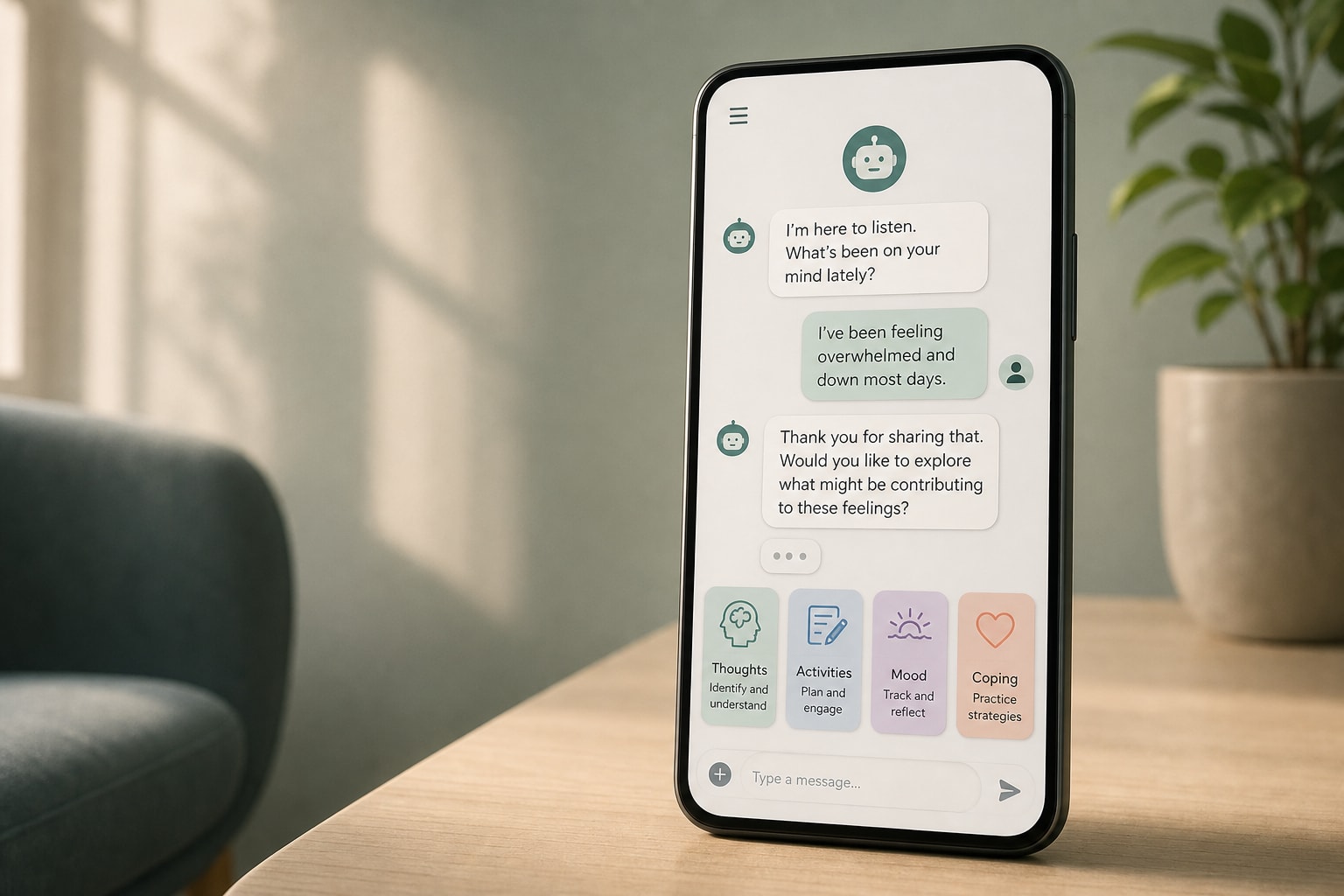
To evaluate the therapeutic features of AI chatbots in managing depression and their effectiveness compared to traditional digital mental health interventions.
Approach:
Systematic Review: The review examines various digital mental health interventions (DMHIs), including AI-driven chatbots, and their clinical outcomes for depression.
Meta-Analysis: A meta-analysis assesses the effectiveness of AI-based conversational agents in reducing depressive symptoms.
Key Findings:
AI chatbots provide ongoing conversational support, distinguishing them from earlier DMHIs that lacked interactivity.
AI-driven chatbots significantly reduced depressive symptoms compared to traditional DMHIs.
User experience with AI chatbots is influenced by factors such as therapeutic alliance and content engagement.
Interpretation:
The findings suggest that interaction is a core mechanism in the therapeutic effectiveness of AI chatbots, addressing limitations of traditional DMHIs.
Limitations:
High dropout rates and low retention in digital mental health interventions remain significant challenges.
Previous studies did not adequately differentiate between types of interaction in DMHIs.
Conclusion:
AI chatbots represent a promising advancement in digital mental health interventions, offering a more interactive approach to managing depression.
From signing bonuses and loan repayment programs to workforce initiatives and physician support resources, these trends reflect some of the strategies organizations are using to recruit and retain physicians in a competitive health care labor market.