Can resistance training alone or resistance training combined with aerobic training improve arterial stiffness, endothelial function, and other vascular function indicators in adults with hypertension or overweight/obesity-related vascular risk? A systematic review and meta-analysis of randomized controlled trials - Summary - MDSpire
Advertisement
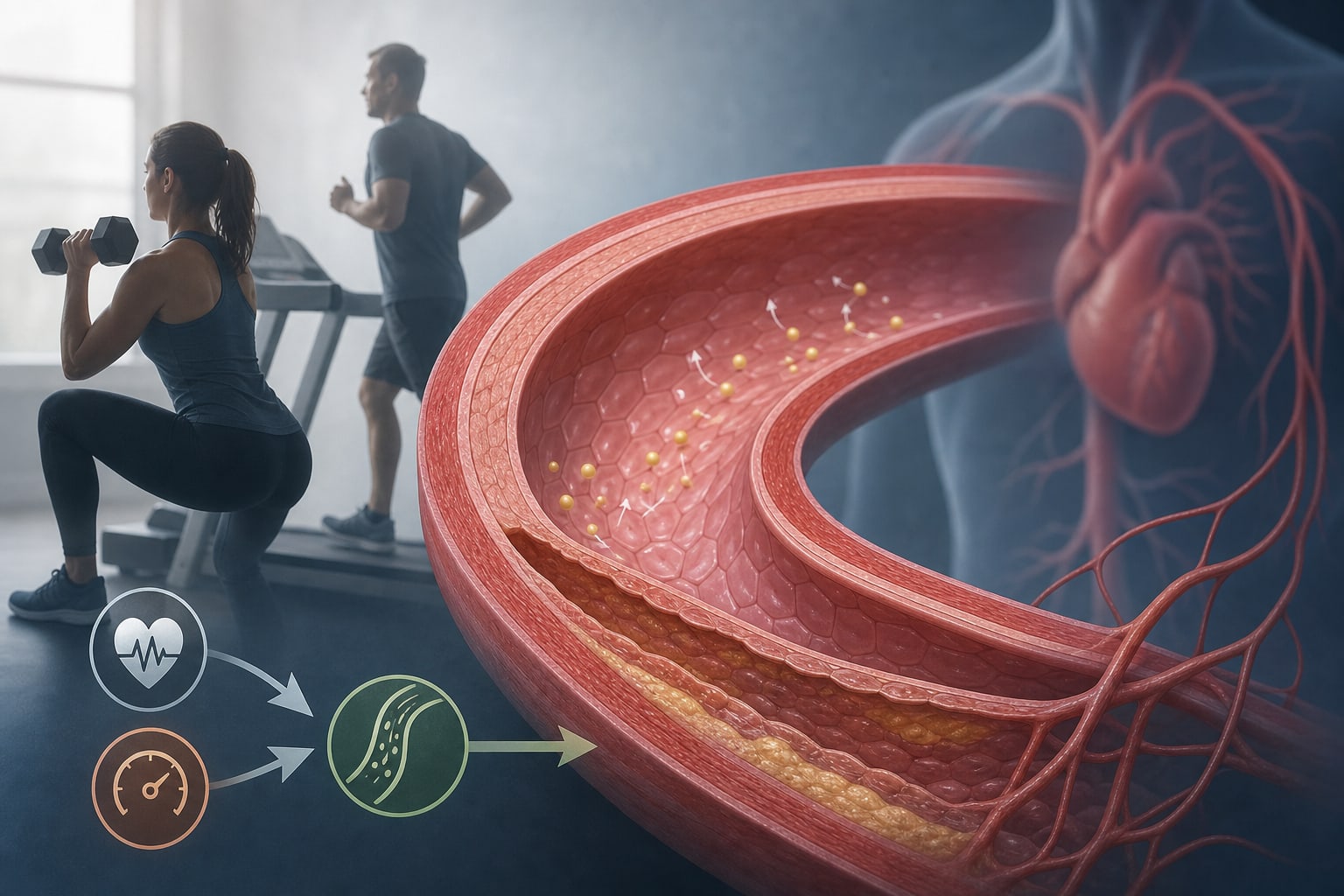
Can resistance training alone or resistance training combined with aerobic training improve arterial stiffness, endothelial function, and other vascular function indicators in adults with hypertension or overweight/obesity-related vascular risk? A systematic review and meta-analysis of randomized controlled trials
To examine the overall effects of resistance training alone or in combination with aerobic training on arterial stiffness, endothelial function, and other vascular function indices in adults with hypertension or overweight/obesity-related vascular risk.
Approach:
Method: A
Method: s
Method: y
Method: s
Method: t
Method: e
Method: m
Method: a
Method: t
Method: i
Method: c
Method: r
Method: e
Method: v
Method: i
Method: e
Method: w
Method: a
Method: n
Method: d
Method: m
Method: e
Method: t
Method: a
Method: -
Method: a
Method: n
Method: a
Method: l
Method: y
Method: s
Method: i
Method: s
Method: w
Method: e
Method: r
Method: e
Method: c
Method: o
Method: n
Method: d
Method: u
Method: c
Method: t
Method: e
Method: d
Method: f
Method: o
Method: l
Method: l
Method: o
Method: w
Method: i
Method: n
Method: g
Method: P
Method: R
Method: I
Method: S
Method: M
Method: A
Method: g
Method: u
Method: i
Method: d
Method: e
Method: l
Method: i
Method: n
Method: e
Method: s
Method: ,
Method: s
Method: e
Method: a
Method: r
Method: c
Method: h
Method: i
Method: n
Method: g
Method: m
Method: u
Method: l
Method: t
Method: i
Method: p
Method: l
Method: e
Method: d
Method: a
Method: t
Method: a
Method: b
Method: a
Method: s
Method: e
Method: s
Method: i
Method: n
Method: c
Method: l
Method: u
Method: d
Method: i
Method: n
Method: g
Method: P
Method: u
Method: b
Method: M
Method: e
Method: d
Method: ,
Method: E
Method: m
Method: b
Method: a
Method: s
Method: e
Method: ,
Method: W
Method: e
Method: b
Method: o
Method: f
Method: S
Method: c
Method: i
Method: e
Method: n
Method: c
Method: e
Method: ,
Method: t
Method: h
Method: e
Method: C
Method: o
Method: c
Method: h
Method: r
Method: a
Method: n
Method: e
Method: L
Method: i
Method: b
Method: r
Method: a
Method: r
Method: y
Method: ,
Method: O
Method: v
Method: i
Method: d
Method: ,
Method: C
Method: N
Method: K
Method: I
Method: ,
Method: W
Method: a
Method: n
Method: f
Method: a
Method: n
Method: g
Method: D
Method: a
Method: t
Method: a
Method: ,
Method: V
Method: I
Method: P
Method: ,
Method: a
Method: n
Method: d
Method: C
Method: B
Method: M
Method: f
Method: o
Method: r
Method: r
Method: a
Method: n
Method: d
Method: o
Method: m
Method: i
Method: z
Method: e
Method: d
Method: c
Method: o
Method: n
Method: t
Method: r
Method: o
Method: l
Method: l
Method: e
Method: d
Method: t
Method: r
Method: i
Method: a
Method: l
Method: s
Method: .
Method: R
Method: a
Method: n
Method: d
Method: o
Method: m
Method: -
Method: e
Method: f
Method: f
Method: e
Method: c
Method: t
Method: s
Method: m
Method: e
Method: t
Method: a
Method: -
Method: a
Method: n
Method: a
Method: l
Method: y
Method: s
Method: e
Method: s
Method: w
Method: e
Method: r
Method: e
Method: p
Method: e
Method: r
Method: f
Method: o
Method: r
Method: m
Method: e
Method: d
Method: u
Method: s
Method: i
Method: n
Method: g
Method: H
Method: e
Method: d
Method: g
Method: e
Method: '
Method: s
Method: g
Method: w
Method: i
Method: t
Method: h
Method: 9
Method: 5
Method: %
Method: c
Method: o
Method: n
Method: f
Method: i
Method: d
Method: e
Method: n
Method: c
Method: e
Method: i
Method: n
Method: t
Method: e
Method: r
Method: v
Method: a
Method: l
Method: s
Method: ,
Method: a
Method: n
Method: d
Method: h
Method: e
Method: t
Method: e
Method: r
Method: o
Method: g
Method: e
Method: n
Method: e
Method: i
Method: t
Method: y
Method: w
Method: a
Method: s
Method: a
Method: s
Method: s
Method: e
Method: s
Method: s
Method: e
Method: d
Method: u
Method: s
Method: i
Method: n
Method: g
Method: t
Method: h
Method: e
Method: I
Method: 2
Method: s
Method: t
Method: a
Method: t
Method: i
Method: s
Method: t
Method: i
Method: c
Method: .
Key Findings:
Resistance training significantly reduced arterial stiffness (g = −0.18, 95% CI −0.33 to −0.04; p = 0.01).
Resistance training improved flow-mediated dilation (FMD) (g = 0.70, 95% CI 0.41–0.99; p < 0.0001).
No significant effect was observed for wave reflection indices.
Evidence for peripheral haemodynamic outcomes remained insufficient, indicating a lack of robust findings in this area.
Interpretation:
The FMD finding should be interpreted cautiously due to potential publication bias or small-study effects and the limited evidence base. Current evidence does not support the superiority of resistance training alone over combined aerobic-resistance training.
Limitations:
Potential publication bias or small-study effects detected for FMD.
Limited evidence base for some outcomes.
Exploratory subgroup findings were not supported by significant linear associations.
Conclusion:
Resistance training-based interventions may improve selected vascular function outcomes, particularly FMD, in adults with hypertension or obesity-related vascular risk. However, the evidence is limited, and further research is needed to clarify these effects.