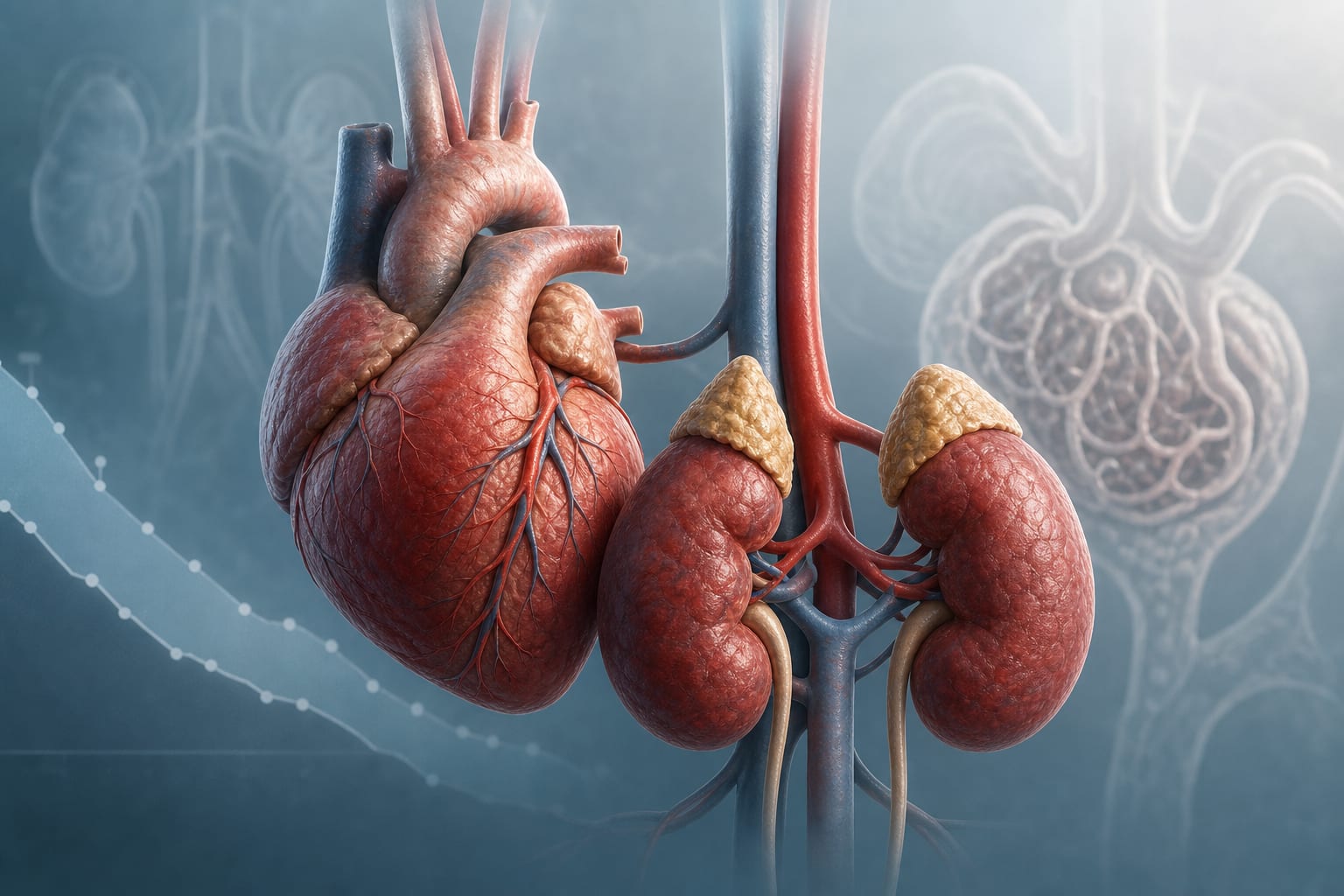
To examine the associations between decade-long cumulative blood pressure exposure and myocardial structure and function independent of current blood pressure levels.
Key Findings:
Higher cumulative systolic blood pressure (SBP) correlated with increased left ventricular mass index and worse global/regional circumferential strain.
Cumulative diastolic blood pressure (DBP) showed J-shaped relationships with circumferential strain after adjusting for current DBP.
In non-hypertensive individuals, cumulative SBP was linked to adverse cardiac remodeling and impaired systolic function.
Interpretation:
Long-term cumulative exposure to elevated blood pressure significantly impacts myocardial structure and function, independent of current blood pressure levels.
Limitations:
The study may not account for all confounding factors influencing cardiac structure and function.
Causality cannot be definitively established due to the observational nature of the study.
Conclusion:
Cumulative blood pressure exposure over a decade has a significant adverse effect on cardiac structure and function, highlighting the importance of long-term blood pressure management.