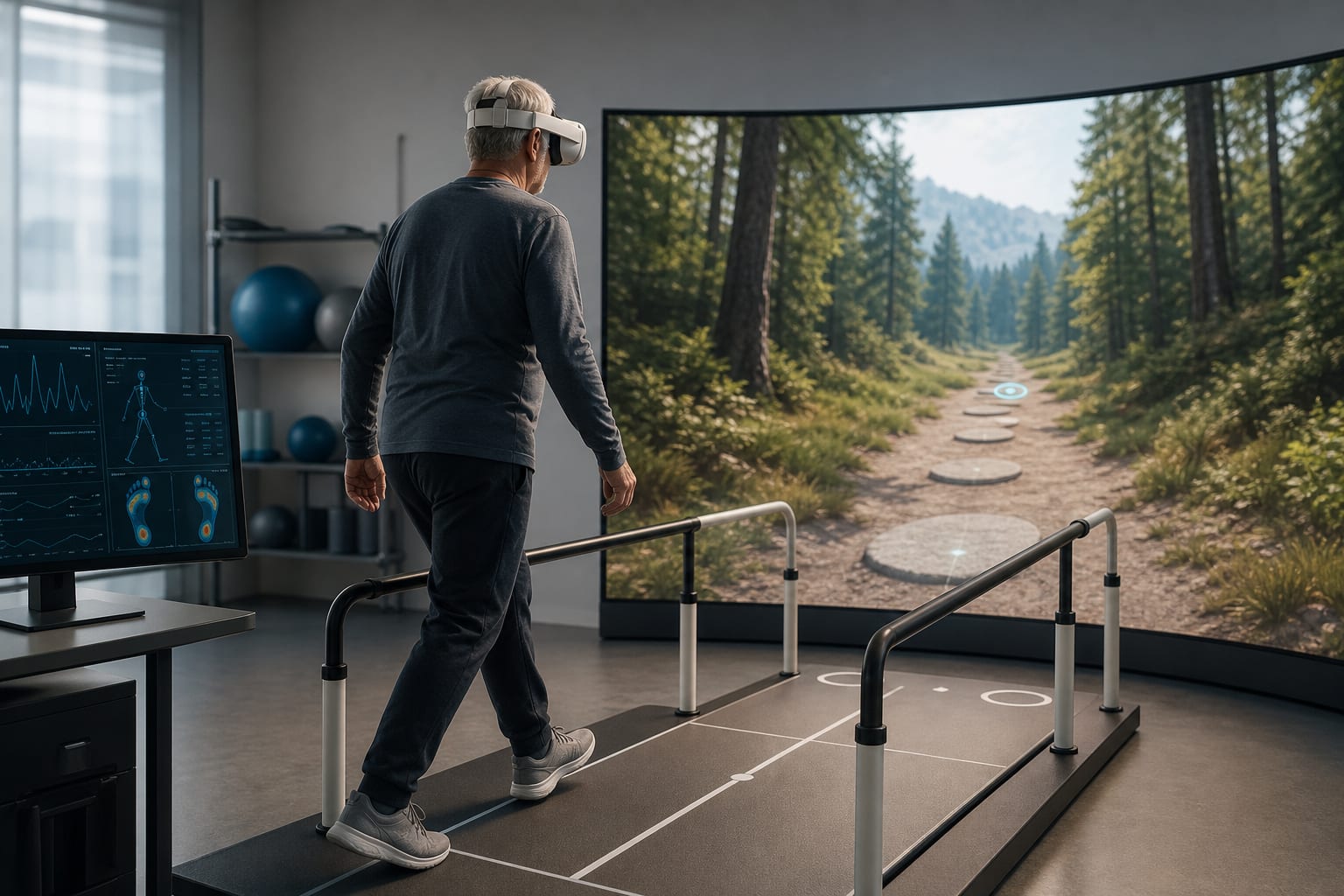
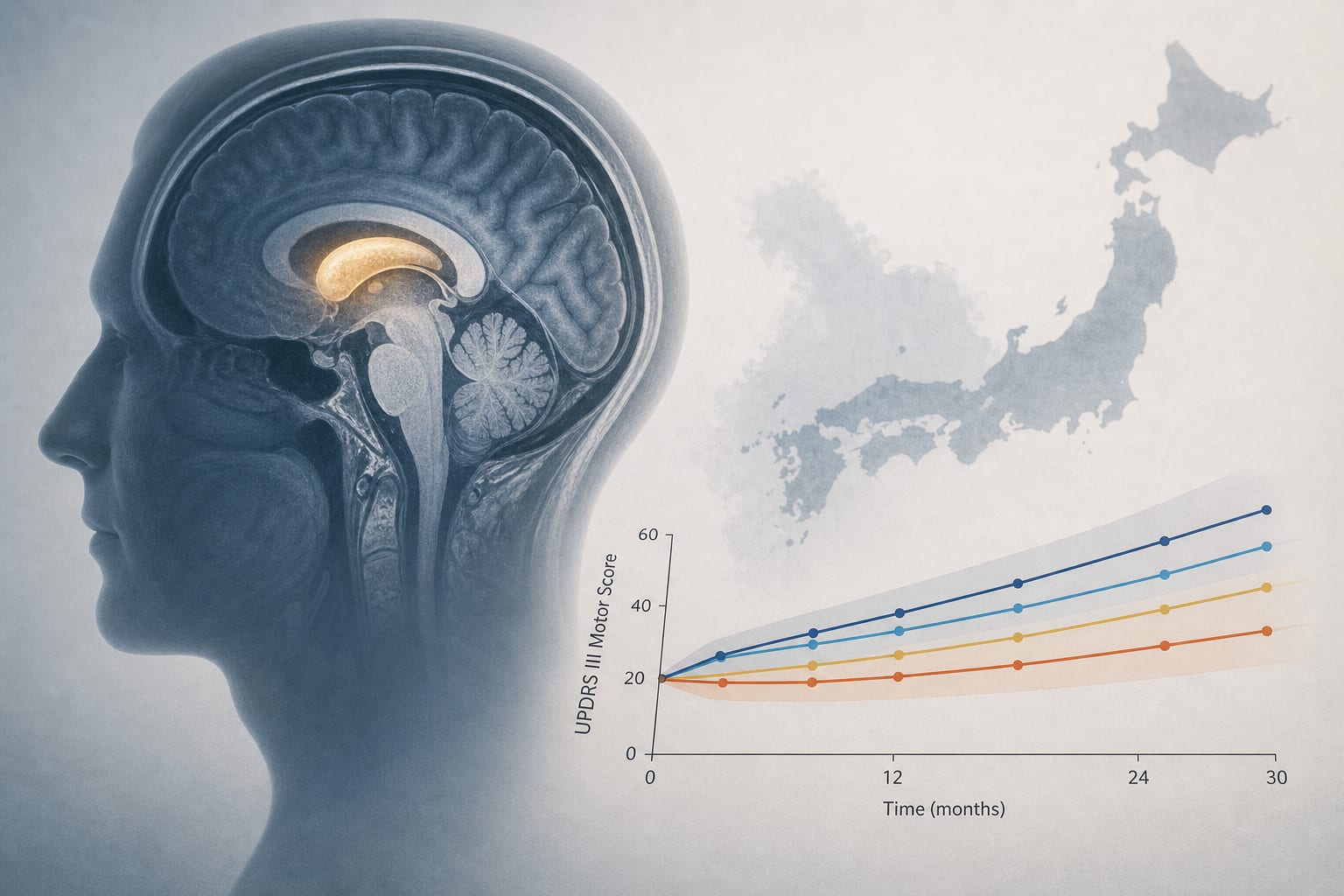
To deliver a comprehensive narrative synthesis of the neurophysiological justification, VR modalities (fully immersive, partially immersive, and non-immersive), and motor/non-motor results linked to VR-centered rehabilitation in PD.
Key Findings:
VR rehabilitation linked to enhancements in balance and gait metrics, including BBS, TUG, FGA, stride length, gait speed, and walking distance.
Improvements in upper-limb functionality and balance confidence were noted.
Variability in impacts on freezing of gait and tremor.
Cognitive and executive effects were less firmly established than motor outcomes and should be regarded as preliminary.
Interpretation:
VR shows potential as a supplementary approach to traditional rehabilitation in PD, particularly for gait, balance, and motor-cognitive training; however, the reliability of the evidence is moderate to low.
Limitations:
Inconsistencies in clinical data.
Methodological diversity among studies.
Need for standardization of protocols and improved safety documentation.
Conclusion:
VR may enhance rehabilitation strategies for PD, but further research is needed to establish standardized protocols and evaluate long-term efficacy.