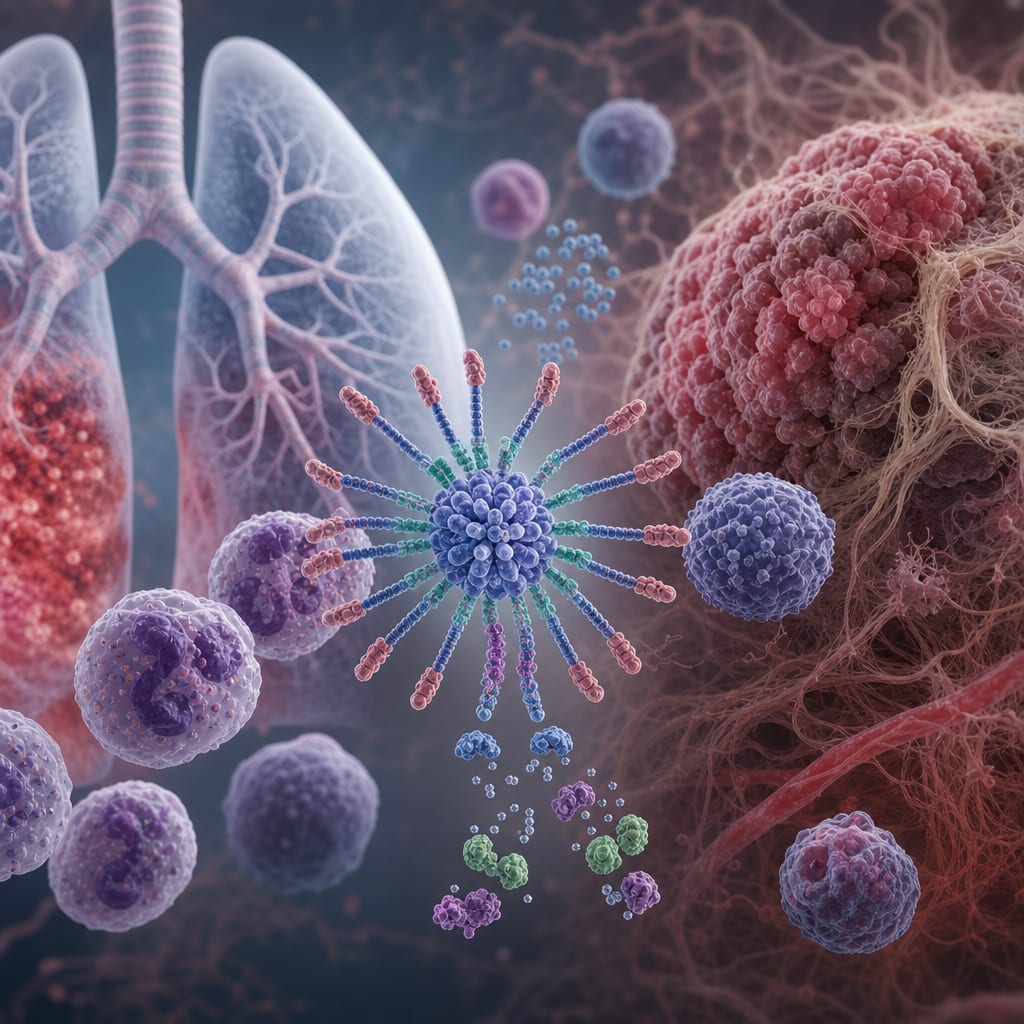
To review the role of inflammasomes in ARDS and cancer, proposing a conceptual framework for their intersection and potential therapeutic developments, emphasizing the significance of this intersection for patient outcomes.
Key Findings:
Inflammasomes are crucial in both ARDS and cancer, influencing inflammatory responses and disease progression through specific pathways.
Chronic inflammation from ARDS may promote carcinogenesis, while cancer therapies can increase ARDS susceptibility, necessitating integrated treatment approaches.
NLRP3 inflammasomes play a significant role in mediating inflammation that links ARDS and cancer, suggesting targeted therapies could be beneficial.
Interpretation:
The findings suggest that targeting inflammasome pathways could provide therapeutic opportunities for managing both ARDS and cancer, emphasizing the need for further research to explore these pathways in clinical settings.
Limitations:
Lack of FDA-approved pharmacological therapies for ARDS limits clinical outcomes, highlighting the need for innovative treatment strategies.
Need for well-designed epidemiological studies, such as cohort studies and Mendelian randomization analyses, to clarify the association between ARDS and cancer.
Conclusion:
Understanding the interplay between ARDS and cancer through inflammasomes may lead to innovative therapeutic strategies and improved patient outcomes, warranting further investigation into these mechanisms.