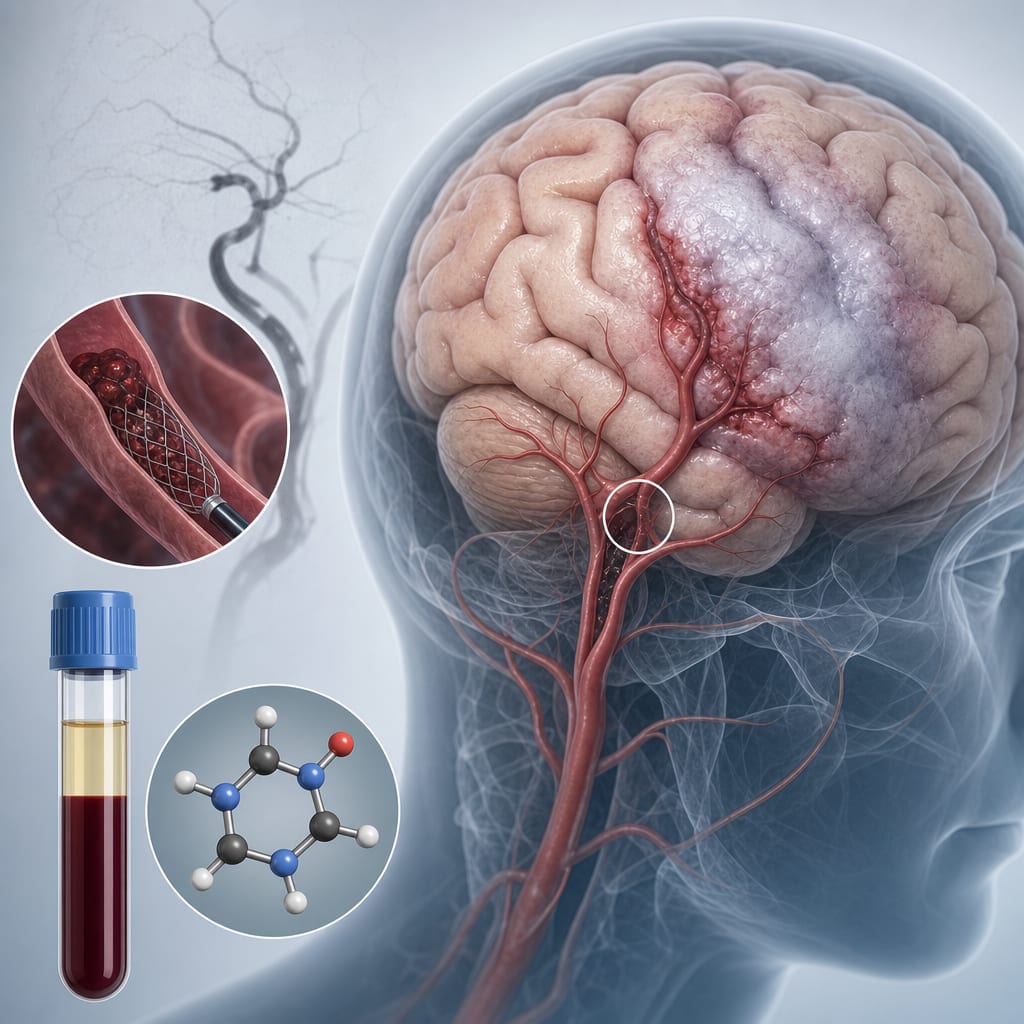
To summarize the prevalence, underlying mechanisms, and management strategies for poststroke anxiety and depression (PSAD/PSAnx), emphasizing their significance in stroke rehabilitation.
Key Findings:
Approximately one third of stroke survivors develop depressive symptoms, with anxiety prevalence at 20-30%.
Poststroke mood disorders significantly affect functional recovery, quality of life, and increase mortality risk, necessitating timely intervention.
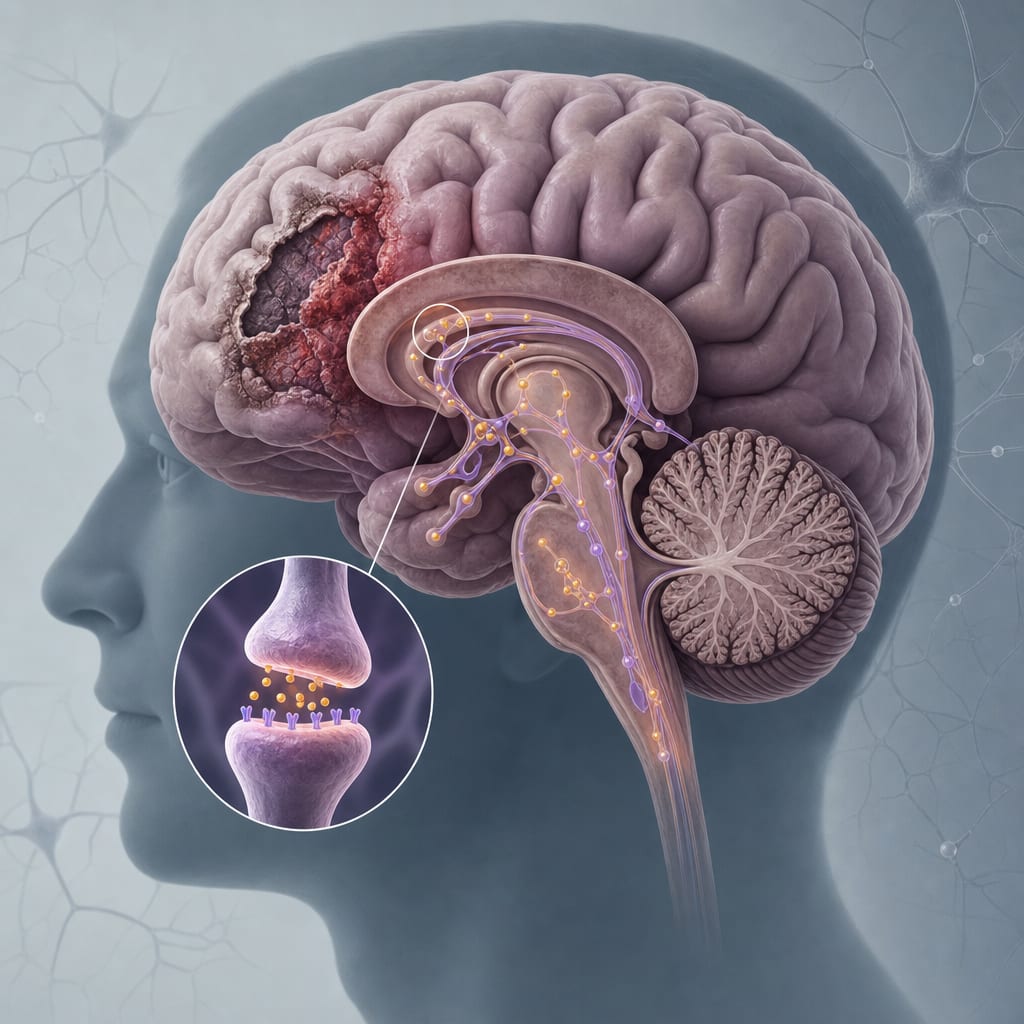
Neurobiological factors include neurotransmitter imbalances and neuroinflammation, while psychological and social factors also play critical roles.
Pharmacological treatments like SSRIs and SNRIs are effective, but individualized approaches are necessary to enhance treatment outcomes.
Interpretation:
Poststroke anxiety and depression are prevalent and multifactorial, necessitating comprehensive management that addresses biological, psychological, and social dimensions, with an urgent call for clinical action.
Limitations:
Heterogeneous assessment tools limit comparability of studies, affecting the reliability of findings.
Short follow-up periods hinder understanding of long-term outcomes and the sustainability of interventions.
Insufficient individualized interventions reduce treatment effectiveness, highlighting the need for tailored approaches.
Conclusion:
A comprehensive approach integrating biological, psychological, and social factors is essential for improving emotional health and rehabilitation outcomes in stroke survivors, with a call for future research to explore innovative intervention strategies.